US Chip Buildout Erodes Taiwan's Strategic Shield — SkimNews

Get the Geopolitics newsletter
Daily geopolitics — wars, elections, sanctions, the diplomatic moves that move markets. Free.
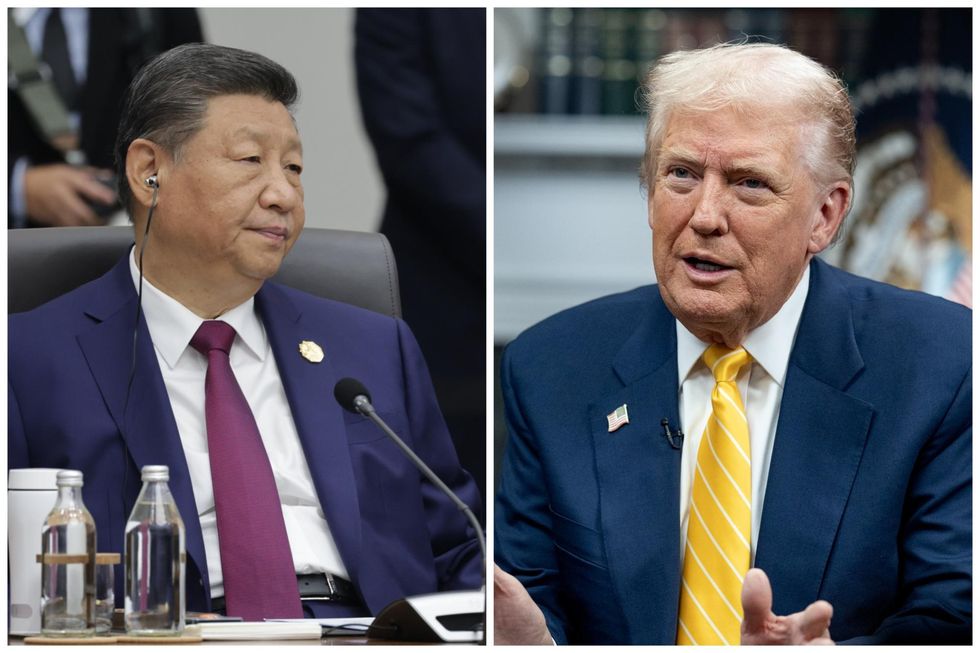
- The Hill published an opinion piece arguing that Trump's May 14, 2026 summit with Xi Jinping in Beijing was misread by markets as simple de-escalation, when it actually signaled a strategic shift treating Taiwan as a 'flexible variable' in a broader trade and security ledger rather than a non-negotiable red line.
- TSMC has dramatically scaled up its Phoenix presence under the CHIPS and Science Act, speeding up its second facility to launch high-volume 3-nanometer U.S. manufacturing by the second half of 2027.
- Apple announced it will purchase more than 100 million Arizona-made chips in 2026 alone, accelerating the supply-chain shift away from Taiwan-centric fabrication.
- The author argues that this successful diversification thins Taiwan's 'Silicon Shield,' altering how Chinese planners calculate the cost of a cross-strait conflict because deterrence is set by adversary perception of US intent, not US intent itself.
- Beijing is likely drawing three conclusions from the trajectory: US global attention is fragmented across competing theaters, Taiwan's economic centrality is being actively diluted, and strategic time is drifting back into China's favor.
- Japan, under PM Sanae Takaichi, has forcefully pushed to advance its 2 percent of GDP defense spending target as regional allies hedge against eroding US reliability.
Why it matters: Washington faces a strategic paradox: its own CHIPS Act success in building domestic chip capacity is diluting Taiwan's Silicon Shield, the very economic deterrence that made conflict unthinkable. If Beijing perceives Taiwan as a negotiable variable in a transactional US-China relationship rather than a red line, the timeline for potential action compresses, forcing allies like Japan to accelerate self-reliance at precisely the moment US credibility is being questioned.
Ask SkimNews