Houthis Strike Saudi's Jizan as West Asia War Expands — SkimNews

Get the Geopolitics newsletter
Daily geopolitics — wars, elections, sanctions, the diplomatic moves that move markets. Free.
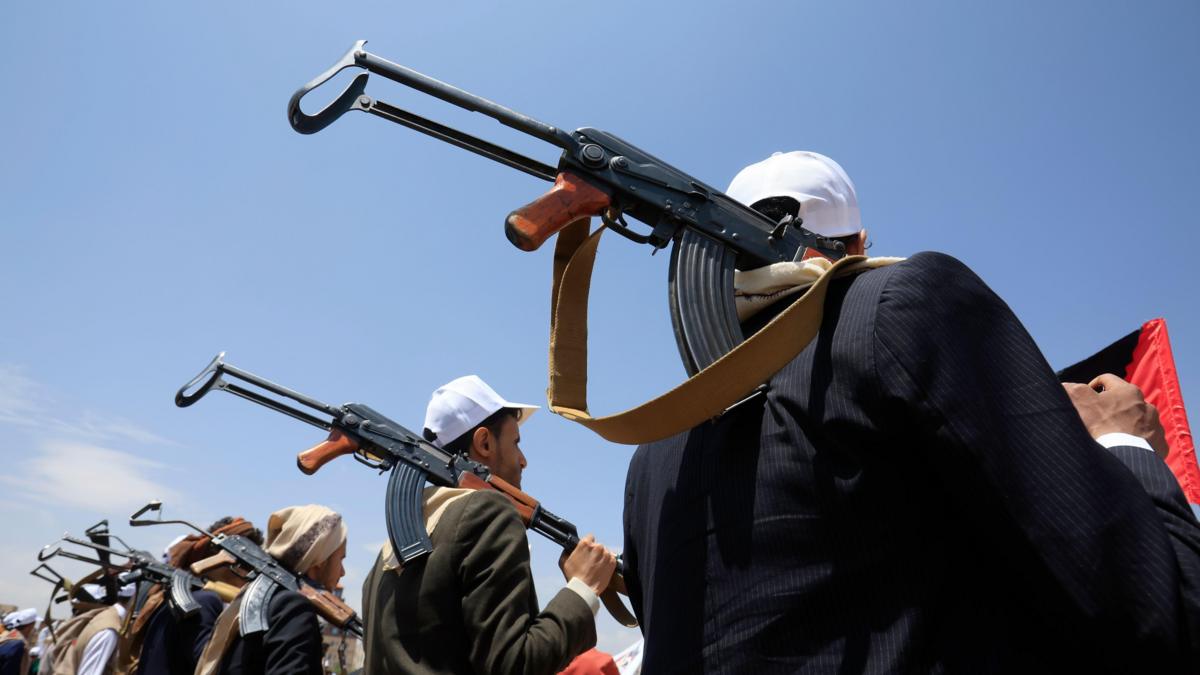
- Yemen's Houthis claimed a missile attack on Saudi Arabia's southern city of Jizan on Saturday (July 25, 2026), vowing retaliation for Saudi strikes this week.
- Saudi Arabia struck Houthi military targets after the group announced a Red Sea blockade and hit Saudi ships, escalating the conflict that began with US-Israeli strikes on Tehran in February 2026.
- Iran is running a parallel blockade of the Strait of Hormuz — Saudi Arabia's only other maritime route — trapping the kingdom's oil exports between two chokepoints.
- President Trump called Friday's (July 24, 2026) Iran negotiations 'by far the most serious that we've seen,' but added he's 'not in a hurry' to end the war.
- Iranian Foreign Minister Abbas Araghchi told Tasnim that Iran 'will not bow to U.S.' bullying, flagged ongoing discussions with China and Russia, and said the Islamic Republic is 'neither intimidated by threats nor will we yield to pressure.'
- U.S. House of Representatives passed a resolution seeking to halt military action in Iran.
Why it matters: Saudi Arabia's two oil export routes — the Red Sea and the Strait of Hormuz — are both under blockade or attack, compounding risks to its crude exports while Trump publicly says he's 'not in a hurry' to end the war with Iran. Araghchi's reference to China and Russia discussions reveals Tehran building alternatives to U.S.-led negotiations.
Ask SkimNews