IRGC Founder Vahidi Leads Iran War Against US, Israel

Get the Geopolitics newsletter
Daily geopolitics — wars, elections, sanctions, the diplomatic moves that move markets. Free.
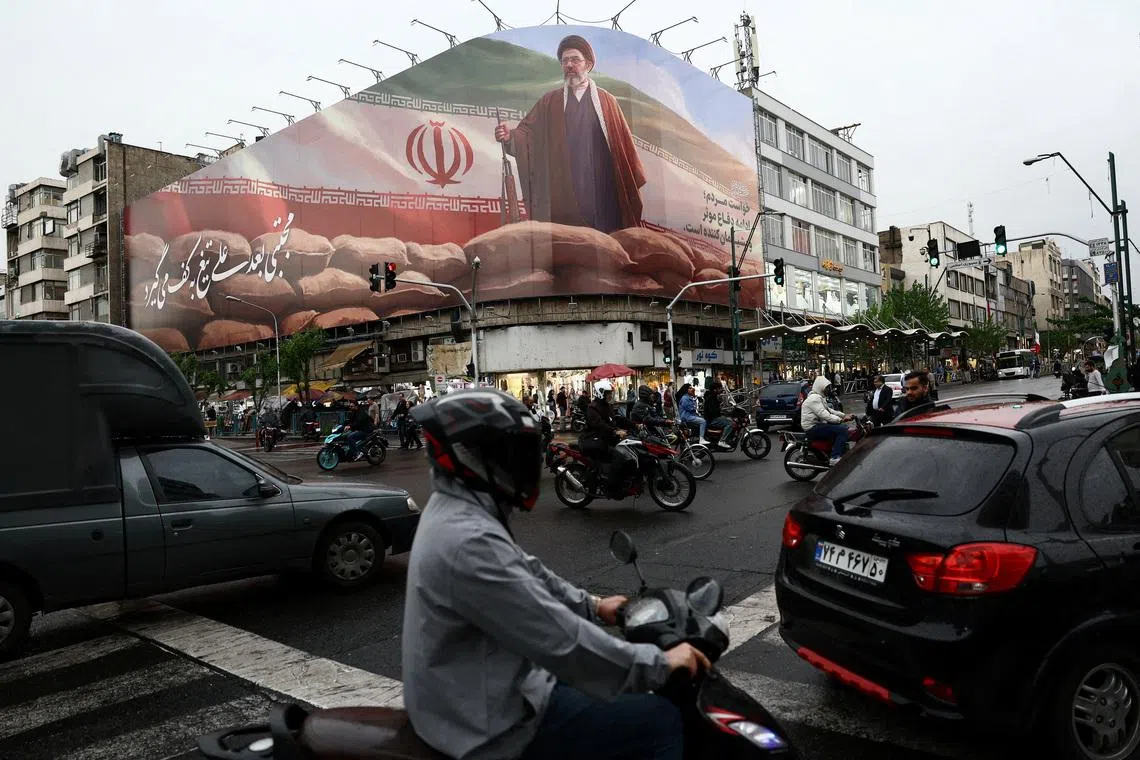
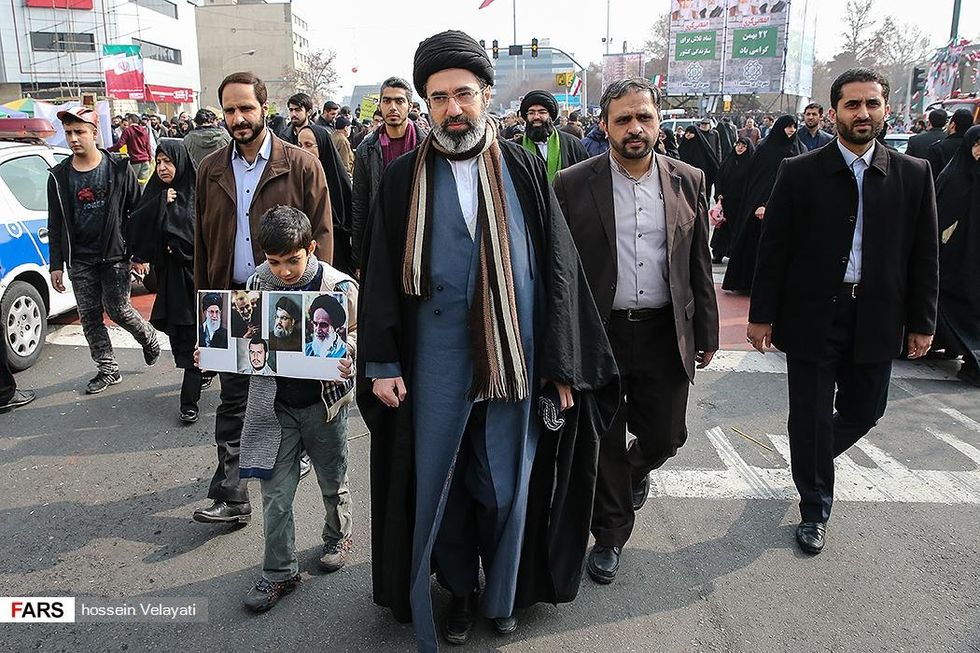
- Gen. Ahmad Vahidi was appointed IRGC Commander-in-Chief after Gen. Mohammad Pakpour and Supreme Leader Ali Khamenei were killed in a February 28 strike, and has since directed Iran's military response from the shadows while Khamenei's successor Mojtaba Khamenei has not appeared publicly.
- Vahidi, a founding IRGC member since 1979, served as the IRGC intelligence chief during the 1980-88 Iran-Iraq war and became the first Quds Force commander, laying the foundations for Iran's 'Axis of Resistance' before Qassem Soleimani expanded it.
- The IRGC under Vahidi closed the Strait of Hormuz after the recent war erupted; despite an April 8 ceasefire and July 17 US-Iran memorandum of understanding, fighting has resumed over the waterway, with the US Navy claiming it is open while the IRGC has 'retained its tight grip.'
- An Interpol Red Notice remains active for Vahidi over the 1994 AMIA bombing in Buenos Aires that killed 85 people, and he has been sanctioned by the US, Canada, and EU for alleged terrorism and nuclear proliferation involvement.
- Vahidi served as Iran's Defence Minister under Mahmoud Ahmadinejad — a tenure Fars News called the 'golden age of Iran's defensive deterrence' — during which the US Treasury sanctioned him in 2010 for missile, drone, and nuclear procurement.
- As Interior Minister under President Ebrahim Raisi, Vahidi oversaw the 2022 crackdown on protests following Mahsa Amini's death in custody for allegedly violating hijab rules.
Why it matters: With the Supreme Leader dead and his successor unseen, the IRGC under sanctioned ideologue Vahidi controls Iran's war policy from the shadows. His asymmetric strategy of choking Gulf energy supplies puts the US in a costly stalemate over the Strait of Hormuz with no clear path to compel Iran to reopen the waterway or dismantle its nuclear program.