Iran's New Leaders Are Hardliners, Not Moderates — SkimNews
SkimNews Take
A decapitation strategy tends to filter out pragmatists willing to negotiate, leaving only true believers to fill the vacuum — a selection effect that explains why successors appear more hardline than the figures they replace.
Get the Geopolitics newsletter
Daily geopolitics — wars, elections, sanctions, the diplomatic moves that move markets. Free.
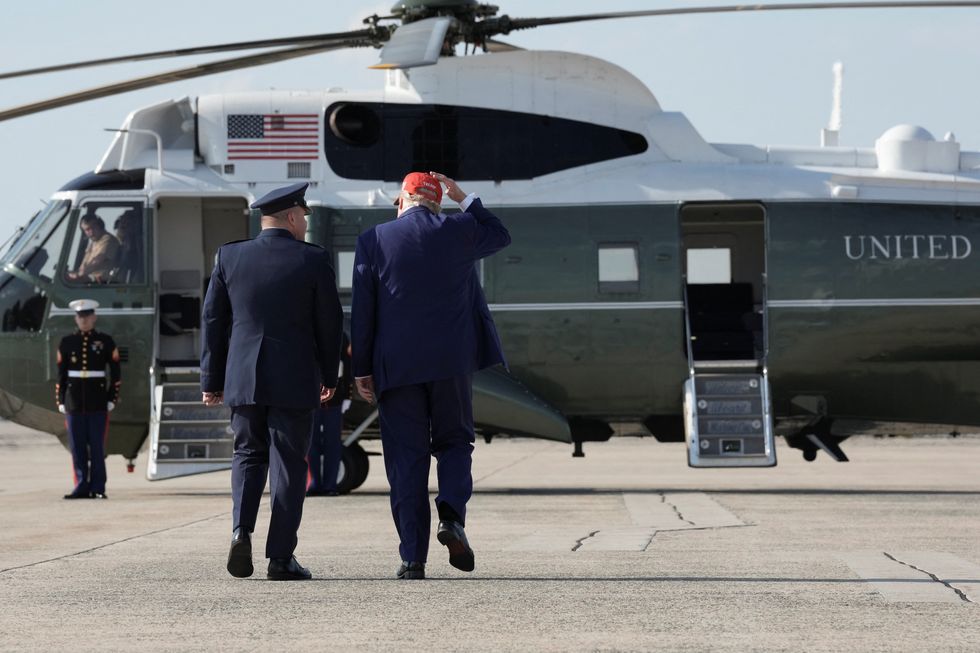
- Trump claimed on March 29 that US and Israeli assassinations of senior Iranian officials, including Supreme Leader Ayatollah Ali Khamenei and SNSC Secretary General Ali Larijani, had brought about "regime change" and produced a more moderate leadership, but the source argues the answer is a "resounding no."
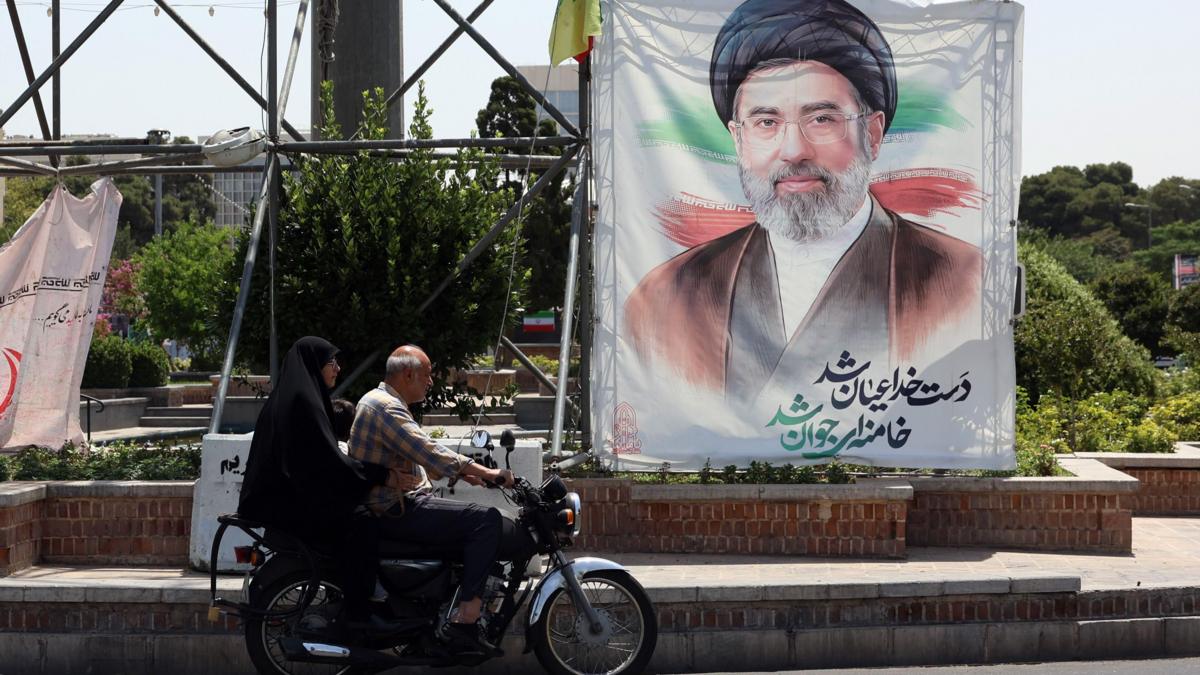
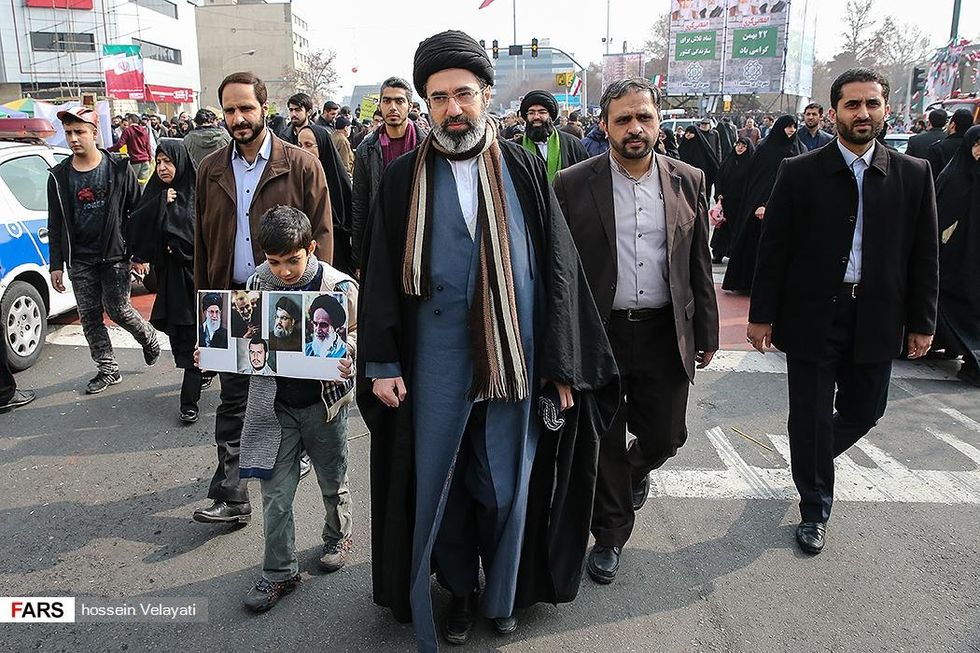
- Mojtaba Khamenei, born in 1969, succeeded his slain father and was taught by Ayatollah Mohammad Taqi Mesbah Yazdi, the spiritual leader of Iran's most radical right-wing political group, signaling a non-compromising hardliner stance on foreign policy.
- Mohammad Bagher Zolghadr, a retired IRGC brigadier general and asymmetric warfare expert, was appointed SNSC Secretary General by President Pezeshkian, having previously served as deputy minister of interior for security affairs and deputy chief of the judiciary under Ahmadinejad.
- Ahmad Vahidi, a former Quds Force commander, former interior and defense minister, and one of three of the IRGC's 2012 leading strategists still on active duty, is identified as "one of Iran's most anti-American and anti-Israel hardliners."
- Iran's asymmetric warfare doctrine, co-developed by Zolghadr and the late Qasem Soleimani, treats US military bases in the region as part of an expanding target list that now includes American-owned facilities and financial institutions, raising regional costs of retaliation.
- A rising second generation of IRGC officers, shaped by engagements in Lebanon, Afghanistan, Iraq, Yemen, Sudan, Syria, and the Balkans, remains loyal to the 1979 Revolution and is replacing assassinated first-generation commanders.
- Mohammad Bagher Ghalibaf, Speaker of Iran's Parliament and a retired IRGC brigadier general, was claimed by Trump on March 30 to be in talks with the US, though it is unclear whether he has a mandate from the SNSC, and his X post targeting the US stock market drew over 14 million views.
Why it matters: Trump's claim of moderate successors is refuted by the hardline backgrounds of Mojtaba Khamenei, SNSC Secretary Zolghadr, and the rising second-generation IRGC, meaning the Islamic Republic will not negotiate on the Trump administration's 15-point proposal and is positioned for horizontal escalation against US military and economic targets across the region.
Ask SkimNews