I was 14 when I first visited my father's offshore workplace. That's when I found my calling — SkimNews
Get the Energy newsletter
Daily energy & climate — solar, EVs, oil, the policy fights and tech bets shaping the transition. Free.
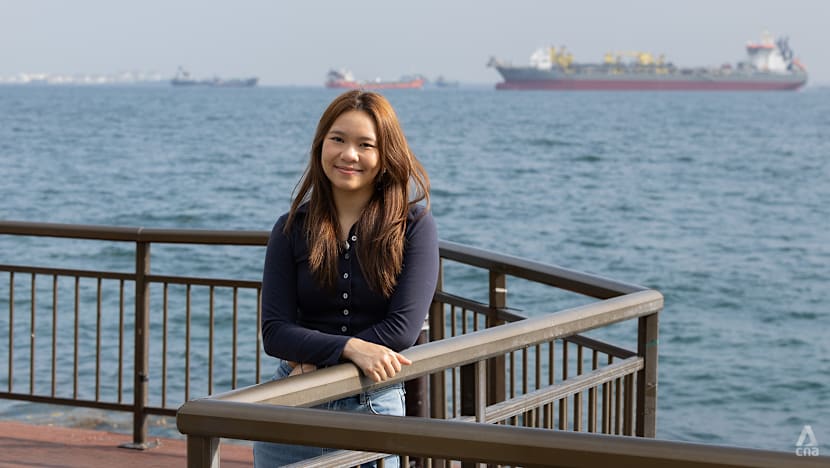
- Tassabell Loh, 23, is set to graduate in October 2026 with a degree in naval architecture and marine engineering from the Singapore Institute of Technology.
- Loh's career path was sparked at age 14 when her father, a maritime engineer, took her aboard a floating oil extraction and processing facility, which she described as "a self-contained city."
- Her internship with a Singapore-based offshore marine services contractor spanned three months in operations followed by five months in the shipyard, with vessel inspections and testing at shipyards in Malaysia and Indonesia.
- Loh notes that women make up just 2% of seafarers globally, but found she did not have to fight harder for respect — she earned it the same way her male counterparts did by showing up and doing the work well.
- The physical demands were intense: climbing mooring chains larger than herself, scrambling up rope ladders, and squeezing through tight decks while carrying equipment; Loh responded by hitting the gym three to four times a week.
- Her father, who spent decades in the maritime industry and worked alongside capable female engineers, never gave her the impression engineering was "not for girls" — an upbringing she calls her biggest advantage entering the field.
Why it matters: Maritime shipping underpins global trade and offshore energy, yet women comprise only 2% of the world's seafarers, per the source — Loh's trajectory from a single shipyard visit at 14 to a naval architecture degree illustrates both the small pipeline of women entering the field and the physical and cultural demands that further filter it.
Ask SkimNews