AJK Votes Amid JAAC Boycott After 30 Killed — SkimNews
Get the Geopolitics newsletter
Daily geopolitics — wars, elections, sanctions, the diplomatic moves that move markets. Free.
- Pakistan-administered Kashmir holds the first phase of local elections on July 27, 2026, with voting split across three phases: Mirpur (July 27), Muzaffarabad (August 2), and protest-hit Poonch (August 10).
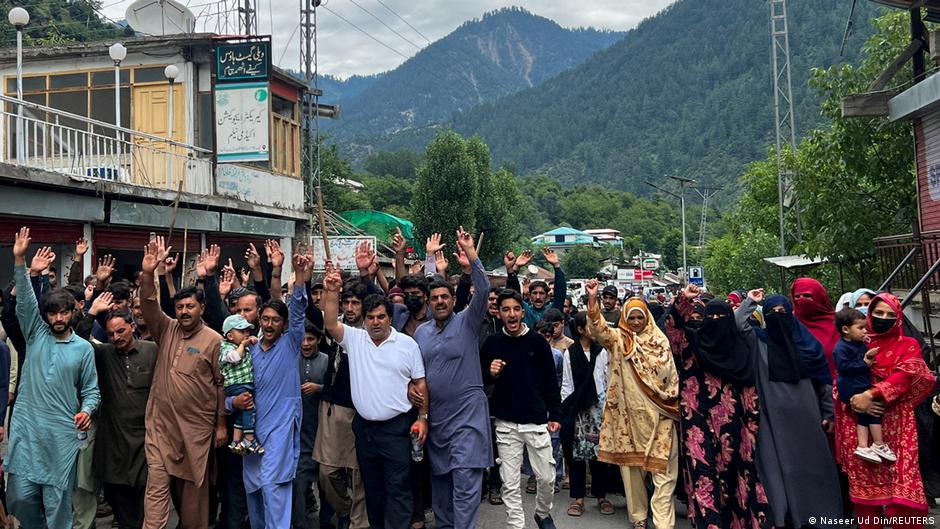
- The recently outlawed Jammu Kashmir Joint Awami Action Committee (JAAC) has called for a boycott, demanding abolition of 12 regional assembly seats reserved for people displaced from Indian-administered Kashmir.
- The Supreme Court of Pakistan-administered Kashmir ruled the refugee seats constitutionally protected, a decision the JAAC rejects; the regional government banned the group in June under anti-terrorism laws and detained dozens of supporters.
- Around 30 people have died since June in the unrest, according to local estimates cited by Reuters, and the JAAC continues a sit-in in Rawalakot near the Line of Control with India.
- Geopolitical analyst Imran Khan (not the former PM), a former US Institute of Peace Pakistan director, told DW the next AJK government will be 'very weak,' 'sandwiched between pressure from both the Pakistani establishment…and the sentiment on the street, which is very pro JAAC.'
- Ali Raza, a 22-year-old student protester, invoked recent regional protest movements: 'we have seen governments toppling through student protests in the neighboring countries; we won't stop.'
Why it matters: The vote cannot resolve the constitutional fight over refugee seats that the Supreme Court of AJK has already ruled protected, and analysts say the resulting government will be too weak to govern without cutting a deal with JAAC — meaning the protest movement, not the ballot, holds the real leverage over AJK's future.
Ask SkimNews


