Japan Eyes Hormuz Minesweeping If Iran Ceasefire Reached — SkimNews
Get the Geopolitics newsletter
Daily geopolitics — wars, elections, sanctions, the diplomatic moves that move markets. Free.
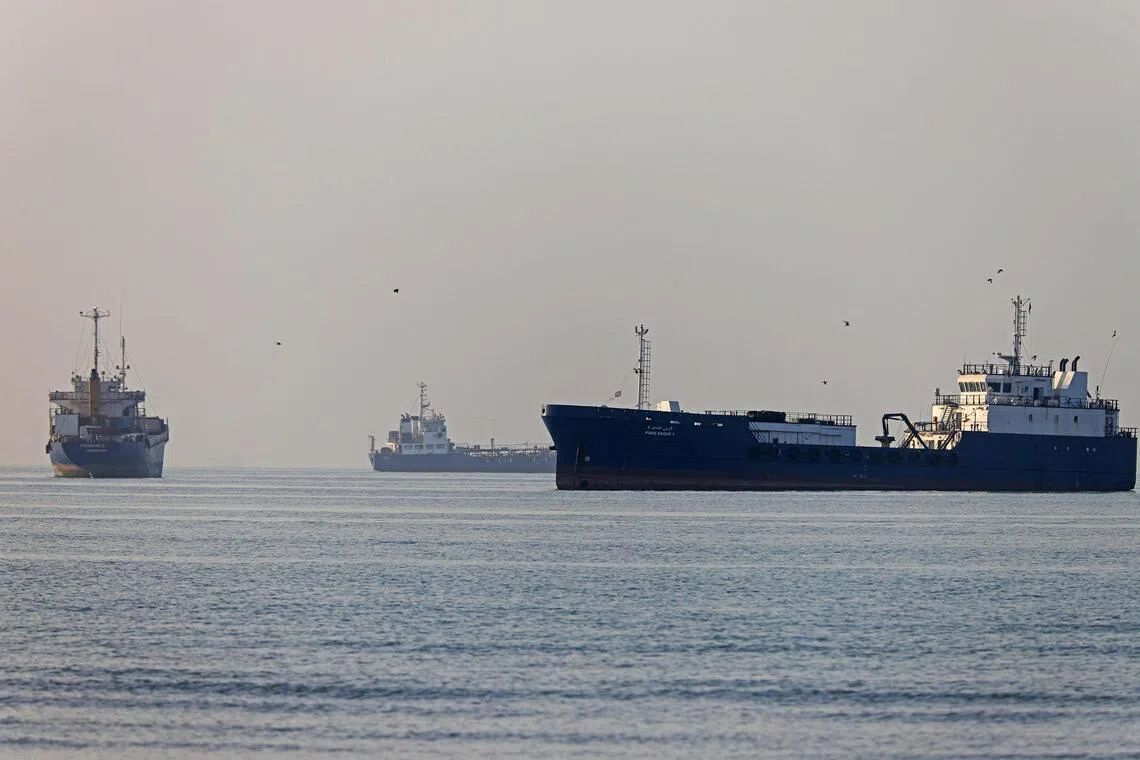
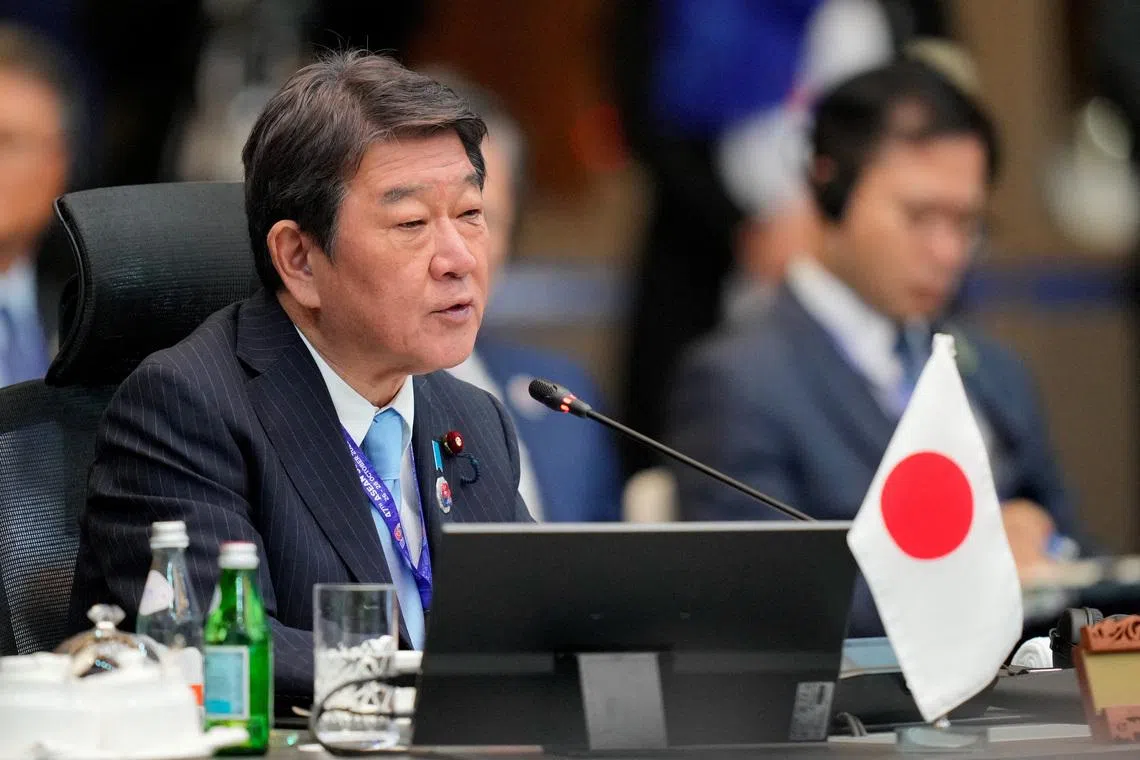
- Foreign Minister Toshimitsu Motegi said Japan could consider deploying its military to clear mines in the Strait of Hormuz 'if there were to be a complete ceasefire,' calling the scenario 'purely hypothetical' during a Fuji TV appearance.
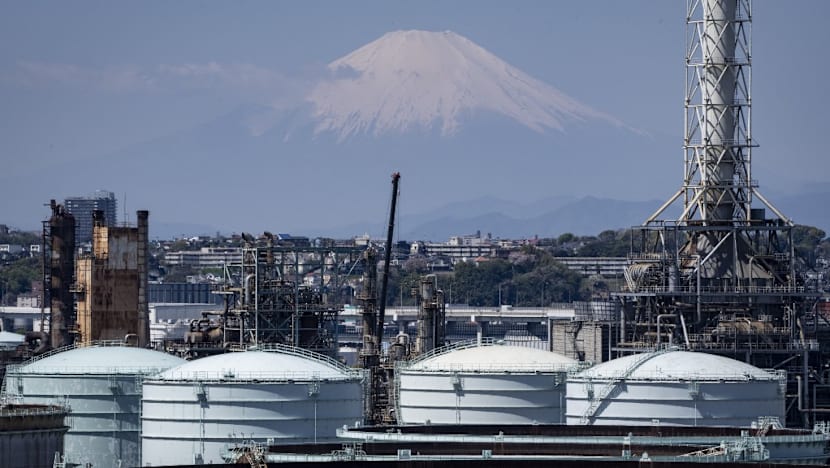
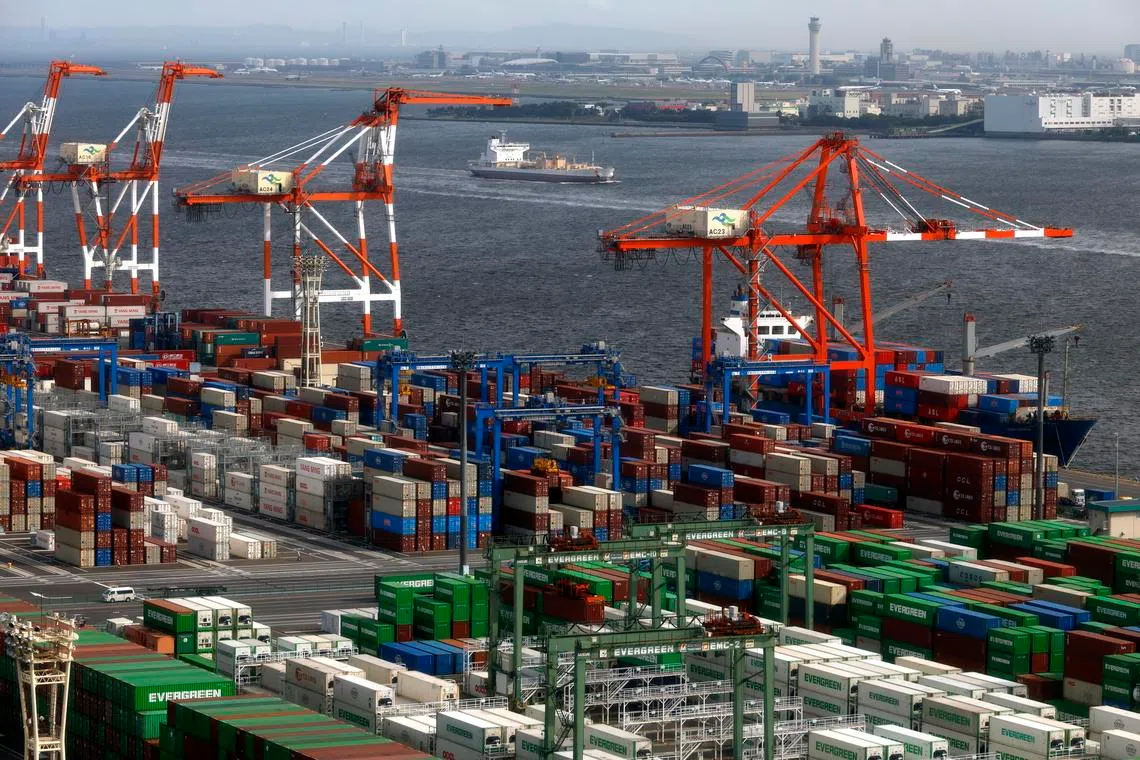
- The Strait of Hormuz is the conduit for roughly a fifth of the world's oil shipments and around 90% of Japan's oil, and Tehran has largely closed the waterway during the four-week-old war.
- Iranian Foreign Minister Abbas Araqchi told Kyodo News on Friday he had spoken to Motegi about potentially allowing Japanese-related vessels to pass through the strait.
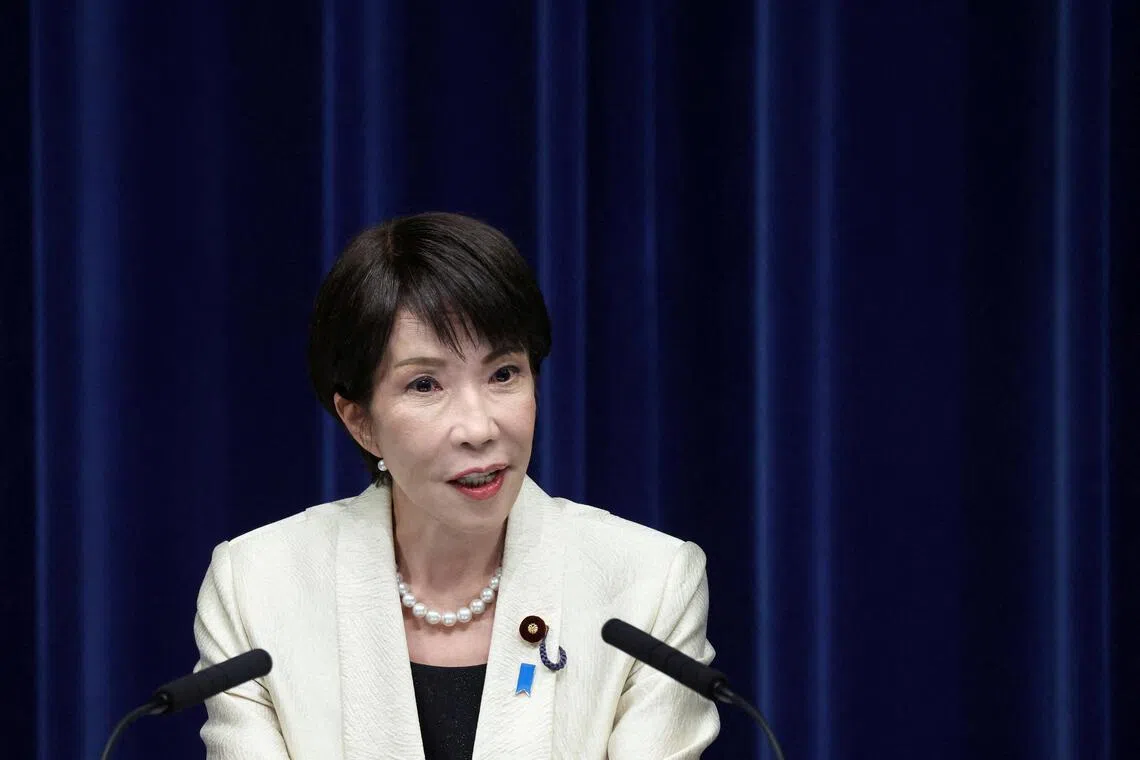
- President Donald Trump met Prime Minister Sanae Takaichi on Thursday, urging her to 'step up' as he has pressed allies — so far unsuccessfully — to send warships to help reopen the strait.
- Japan's 2015 security legislation permits the Self-Defense Forces to operate overseas if an attack on a close security partner threatens Japan's survival and no other means are available — the legal basis Motegi cited for considering minesweeping.
- A spike in global oil prices has prompted Japan and other countries to release oil from their strategic reserves, while Tokyo says it has no immediate plans to negotiate passage for stranded Japanese vessels.
Why it matters: Japan depends on the strait for 90% of its oil, and Motegi's 'purely hypothetical' framing exposes the constitutional limits Tokyo faces while Trump publicly pressures allies to send warships. With the waterway largely closed and prices spiking, Japan's cautious posture — releasing reserves while refusing to commit forces — shows how exposed energy importers are to a conflict they cannot influence.
Ask SkimNews