Israeli Strikes Kill 17 in Lebanon Despite Ceasefire — SkimNews

Get the Geopolitics newsletter
Daily geopolitics — wars, elections, sanctions, the diplomatic moves that move markets. Free.
- Israeli strikes killed 17 people in southern Lebanon on Thursday, including two children, and wounded 35 others — nine of them children and eight women — according to the Lebanese health ministry, with Israel saying it was targeting Hezbollah infrastructure.
- Hezbollah said it carried out attacks on Israeli forces in the south, including a drone strike on soldiers in the Bint Jbeil district; the Israeli military reported one soldier killed, bringing Israeli troop deaths since early March to 17.
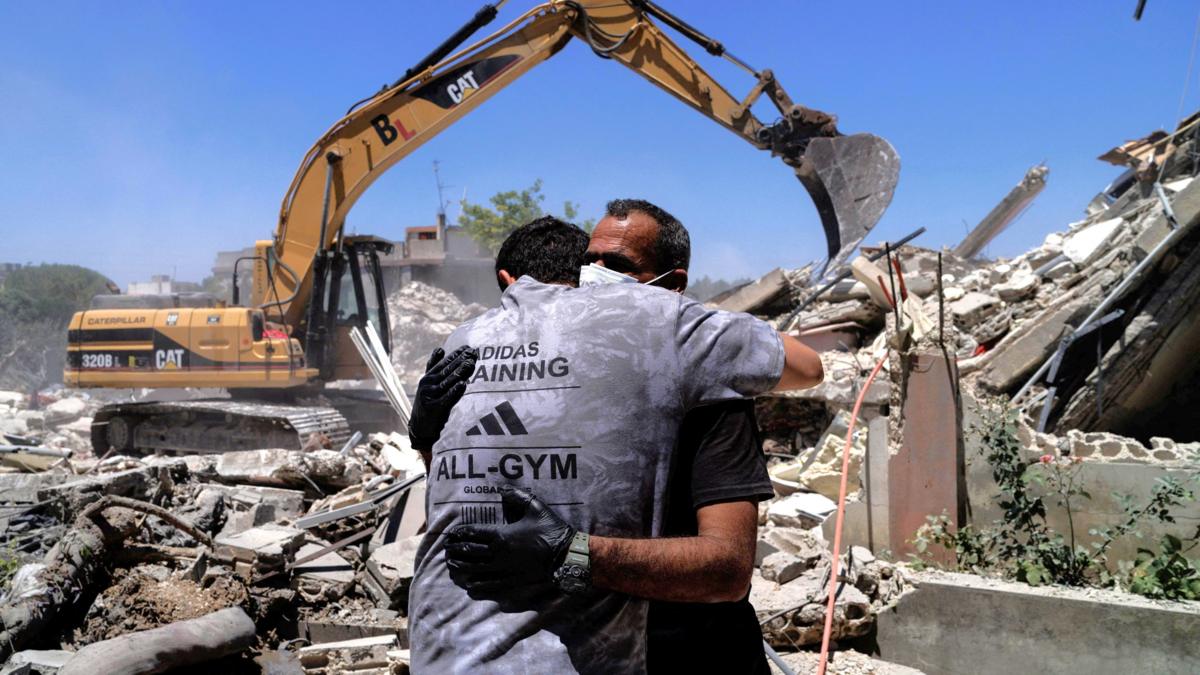
- Lebanese President Joseph Aoun publicly criticized 'continuing Israeli violations,' citing strikes and demolitions of homes and places of worship, while the Israeli military issued evacuation warnings for 15 villages — many outside the 'Yellow Line' buffer zone Israel says it operates within.
- The ceasefire, announced April 16 after direct talks in Washington between Lebanese and Israeli ambassadors, was never signed by Hezbollah, and Israel justifies ongoing strikes under a clause permitting response to 'planned, imminent or ongoing attacks' — a provision Hezbollah rejects.
- Beirut's political leadership is split: Aoun backs direct face-to-face talks and wants the truce to evolve into a 'permanent agreement,' while Parliament Speaker Nabih Berri, a Hezbollah ally, opposes direct talks and warns they carry risks.
- The broader toll since fighting resumed March 2 includes more than 2,500 people killed in Lebanon, among them 103 health professionals, at least 270 women, and more than 170 children, per the Lebanese health ministry.
Why it matters: The ceasefire is fraying fastest outside the Beirut corridor it was designed to protect, with Israel operating beyond its own declared Yellow Line and Lebanon's two most powerful leaders publicly at odds over whether talks should continue. For the 2,500+ Lebanese killed since March — including 103 health workers — the 'ceasefire' offers no relief in the south, and the Aoun-Berri split means Lebanon has no unified voice to enforce its terms.
Ask SkimNews