Trump Says Iran Can Call US for Negotiations — SkimNews
SkimNews Take
Trump's public invitation to negotiate, even as the U.S. simultaneously escalates economic pressure, signals a potential dual-track strategy of coercive diplomacy rather than a clear path to de-escalation.
Get the Geopolitics newsletter
Daily geopolitics — wars, elections, sanctions, the diplomatic moves that move markets. Free.
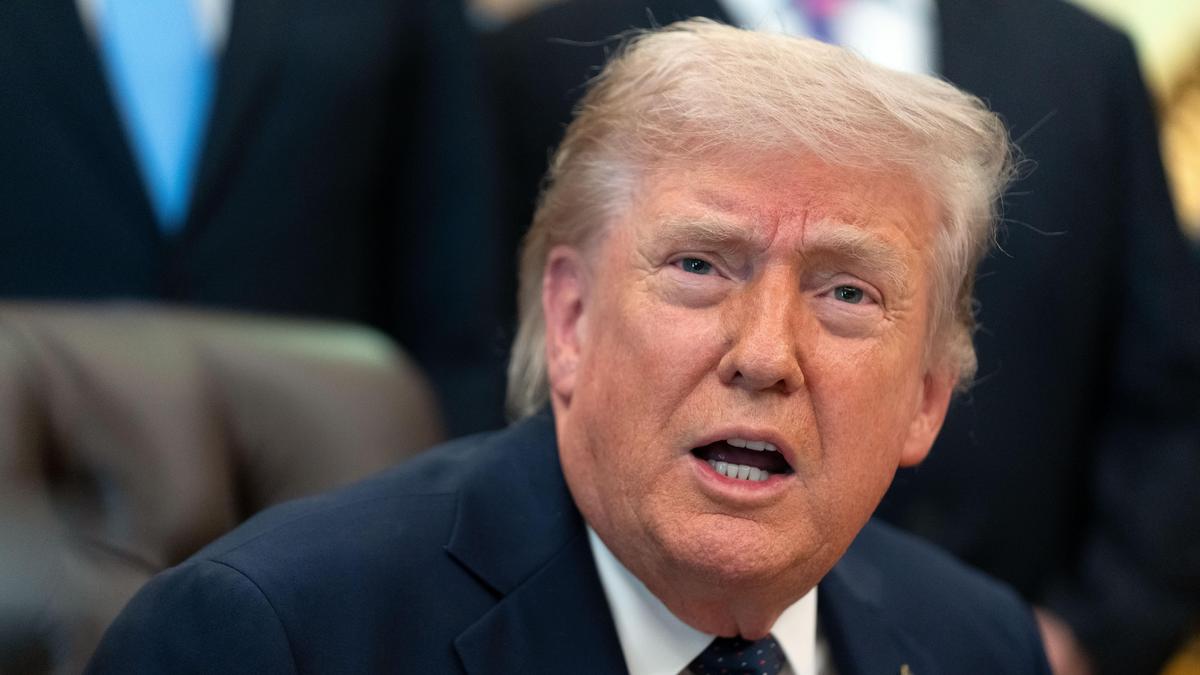
- Trump said Iran could call the United States to negotiate, dismissing further talks as pointless and noting the war would not resume immediately.
- Shehbaz Sharif held a 50‑minute conversation with Iran’s president Masoud Pezeshkian in Pakistan, exchanging views on the regional situation and peace efforts.
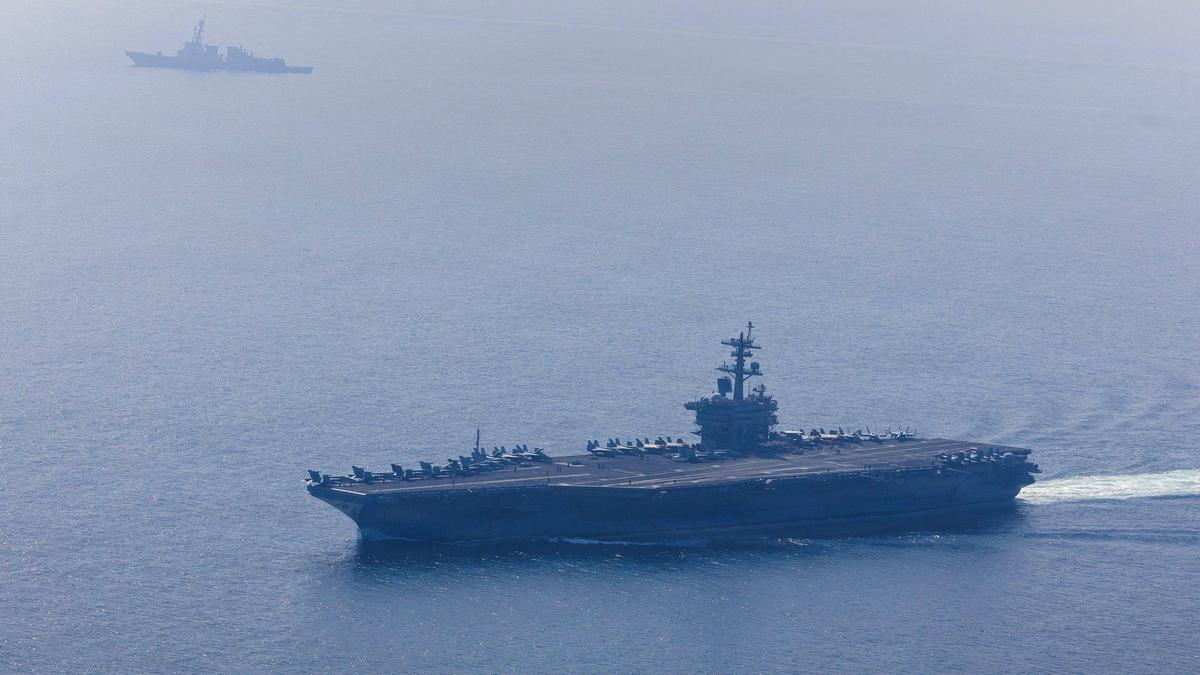
- U.S. Central Command reported that on April 25, 2026, an Iran‑linked vessel, M/V Sevan, was intercepted in the Arabian Sea, prompting Treasury sanctions on it and 18 other shadow‑fleet ships.
- M/V Sevan was among 19 vessels sanctioned for moving billions of dollars of Iranian oil, gas, propane and butane to foreign markets.
- Al Jazeera noted that Iran’s envoy Araghchi is set to meet Putin, highlighting the risk of Russian and Chinese involvement in the conflict.
Why it matters: U.S. sanctions choke Iran’s shadow‑fleet, depriving Tehran of billions in oil revenue, while the Hormuz closure hurts Indian shipping and Bitcoin markets, giving the U.S. leverage in negotiations.
Ask SkimNews