Heat Forces Teams to Rethink Tactics at World Cup — SkimNews

Get the Sports newsletter
Daily sports — scores, transfers, the storylines from the leagues you actually follow. Free.
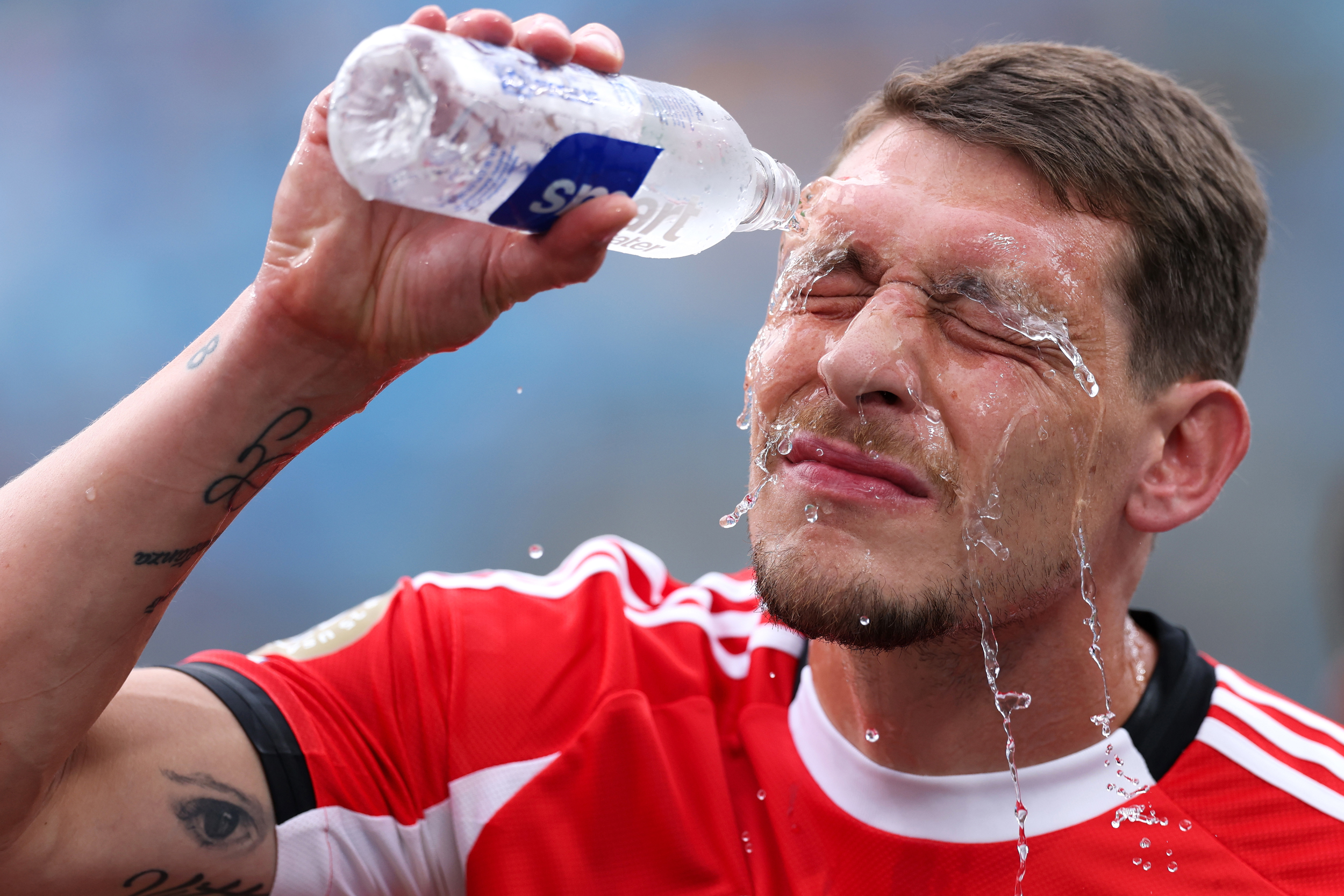
- Graeme Souness lost 6.35 kg and felt his worst physical strain during the 1986 World Cup match against West Germany in Querétaro’s heat and altitude.
- Alex Ferguson left Souness out of Scotland’s decisive final versus Uruguay, citing the player’s inability to endure the extreme conditions.
- Chelsea used a rapid‑press strategy early and then slowed the pace to win the Club World Cup final 3‑0 over Paris Saint‑Germain despite intense heat that forced teammates to miss training and suffer dizziness.
- Levi Colwill said controlling the ball and timing attacks, rather than relentless pressing, is essential when temperature and humidity are high.
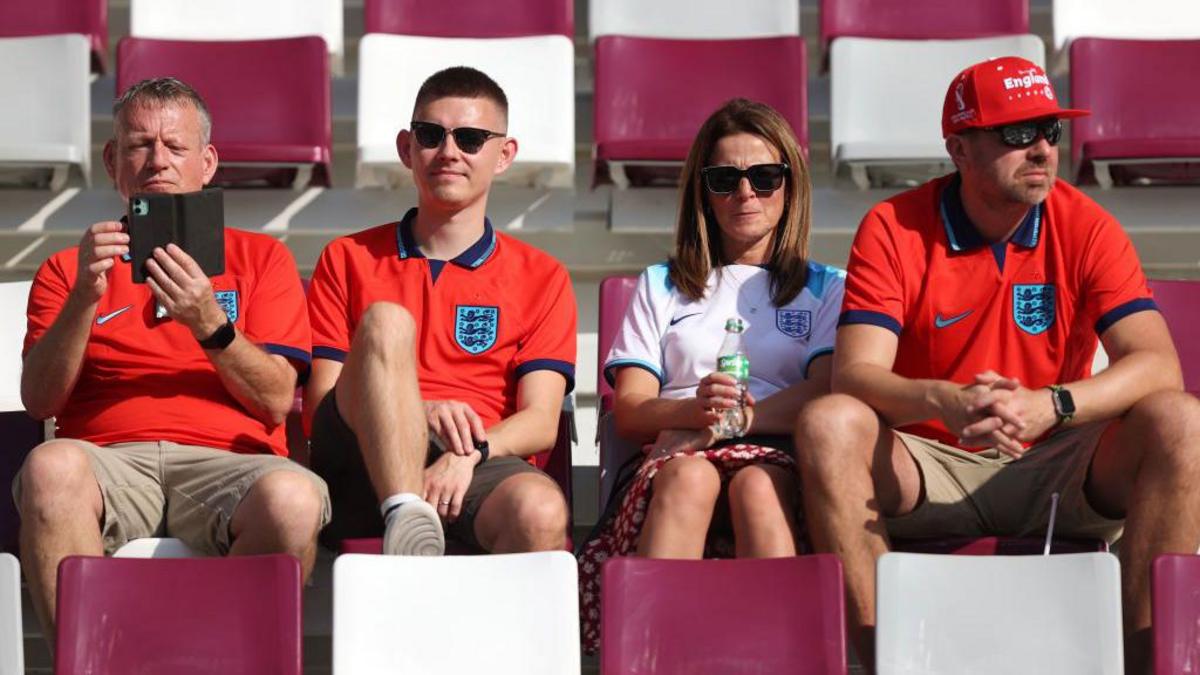
- World Cup matches will be played in extreme heat and humidity, making heat‑management a decisive factor for national teams.
Why it matters: National teams that can adapt tactics—like Chelsea’s 61% early possession and 34% later—stand to win matches, while heat‑exhausted squads risk early exits, reshaping the World Cup bracket.
Ask SkimNews