Beef-liver iron supplements lack direct trial evidence — SkimNews

Get the Health newsletter
Daily health & science — research, biotech, public health, the studies worth knowing. Free.
- Haem iron is absorbed at 15-35% from food versus 2-20% for non-haem iron, but no clinical trials have directly compared beef-liver supplements to standard iron tablets, leaving the superior-efficacy claim theoretical.
- A 12-week Gambia trial by Mamadou Bah at the London School of Hygiene & Tropical Medicine gave roughly 200 babies either a beef-blood haem-iron supplement or ferrous sulphate daily; anaemia dropped from about 85% to 45% in both groups, with no advantage for the haem-iron product.
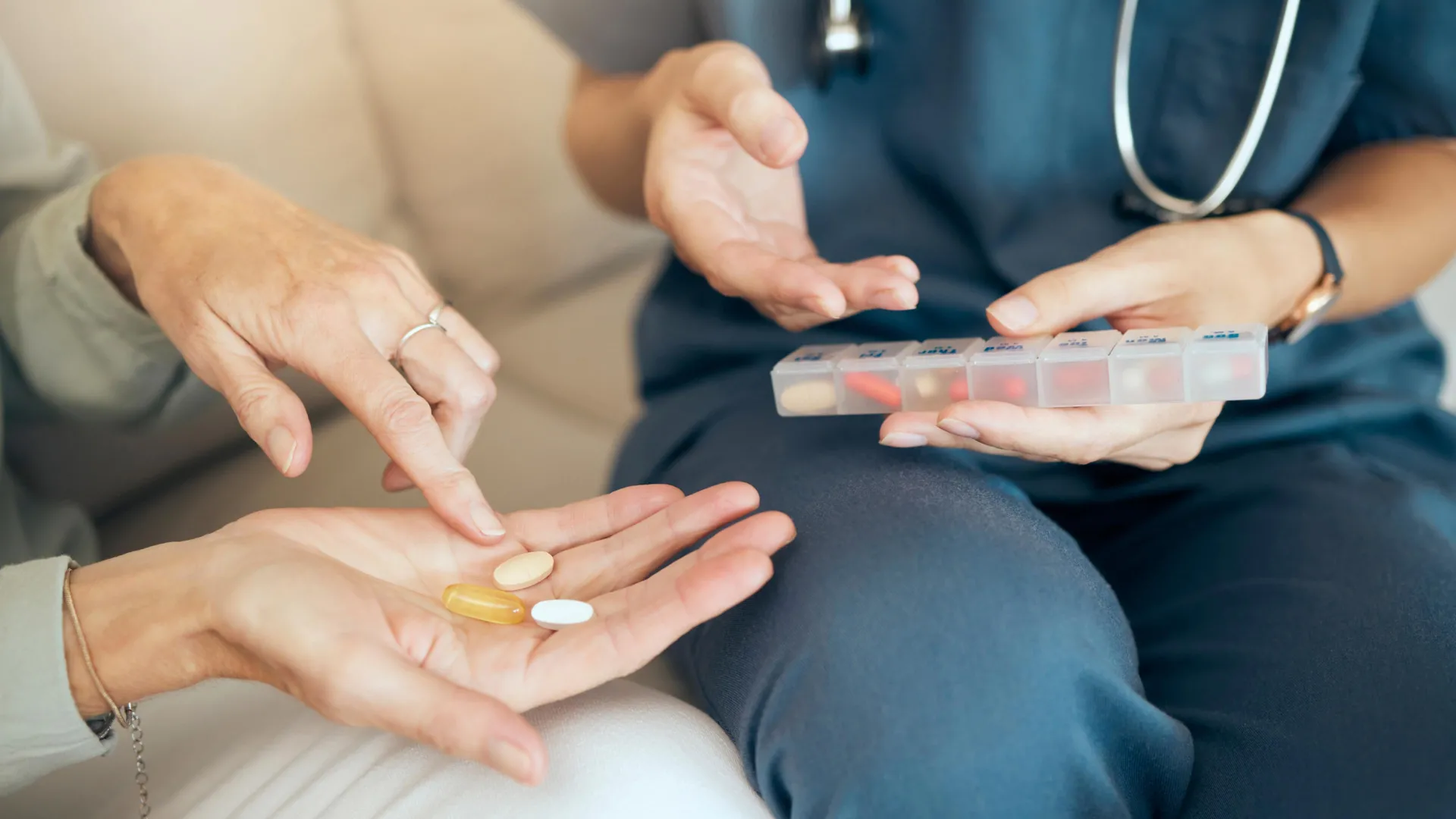
- Some studies find haem-iron supplements cause less constipation and diarrhoea than traditional non-haem iron tablets, which may explain anecdotal preference among people who struggle with standard supplements' gut side effects.
- Beef liver is rich in vitamin A and B12, and daily beef-liver consumption was the 1934 Nobel Prize-winning treatment for pernicious anaemia — but the organ's toxin-filtering role also makes it prone to heavy-metal accumulation.
- A Mansoura University team led by Heba Mostafa El-Ghareb tested 300 US-imported raw beef livers from Egyptian marketplaces and found the majority contained mercury, lead, and arsenic exceeding international safety limits, though no studies have tested beef-liver supplements specifically for heavy metals.
- Some observational studies have linked high dietary haem-iron intake to elevated bowel-cancer and heart-disease risk, adding a second health caveat beyond the heavy-metal concern.
- The beef-liver supplement trend is part of a broader pro-beef movement championed by US Health Secretary Robert F. Kennedy Jr., alongside beef-tallow moisturisers, beef-hide collagen, and beef-bone broth.
Why it matters: For the roughly quarter of people worldwide estimated to be anaemic — especially those who are menstruating, pregnant, or low-income — the choice between pricier beef-liver supplements and cheap ferrous sulphate tablets rests on no direct head-to-head evidence; the best proxy trial showed parity, while beef-liver products carry unstudied heavy-metal risks that the supplement industry hasn't been required to test for.
Ask SkimNews