Could Morocco become a football powerhouse? — SkimNews
Get the Sports newsletter
Daily sports — scores, transfers, the storylines from the leagues you actually follow. Free.
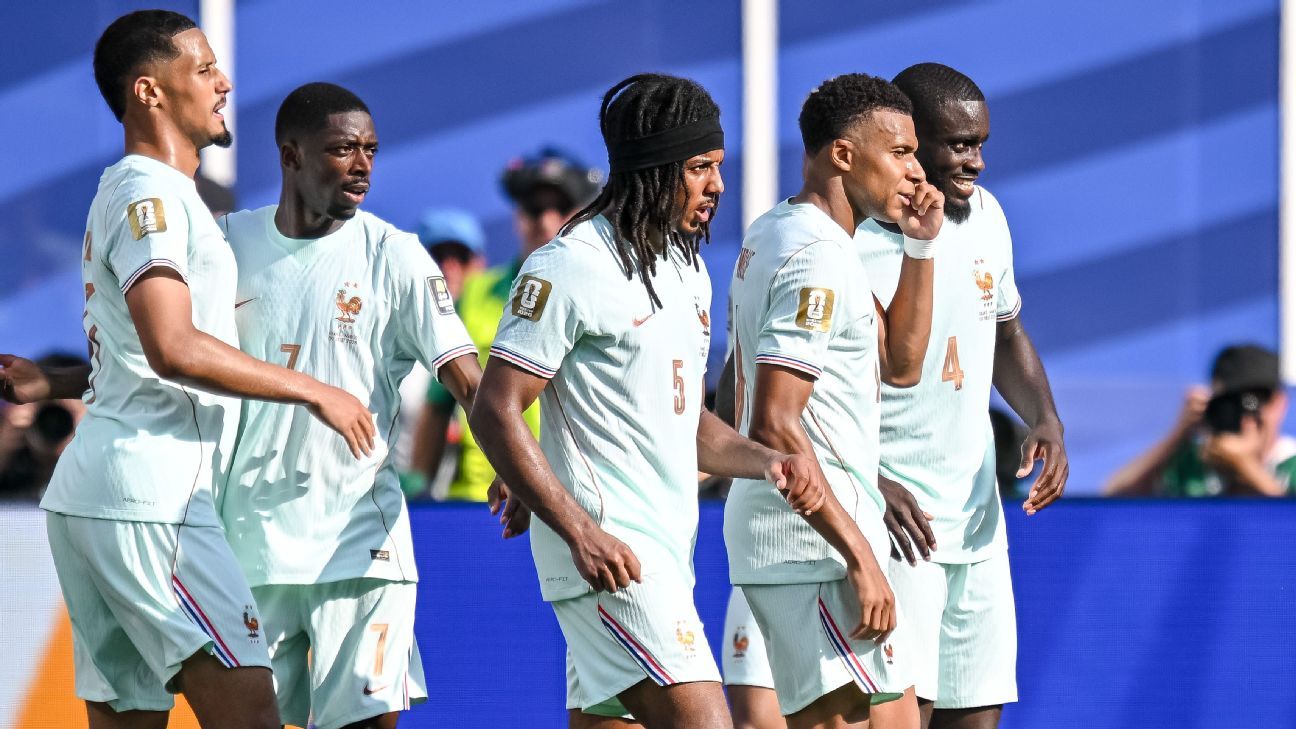
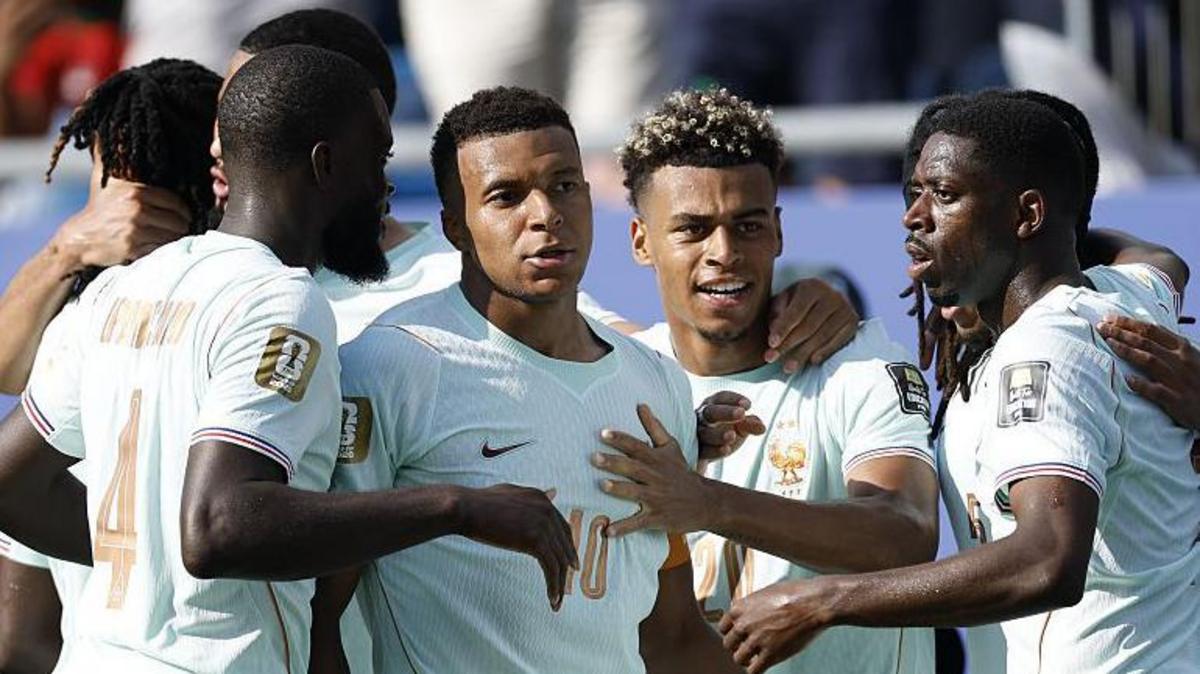
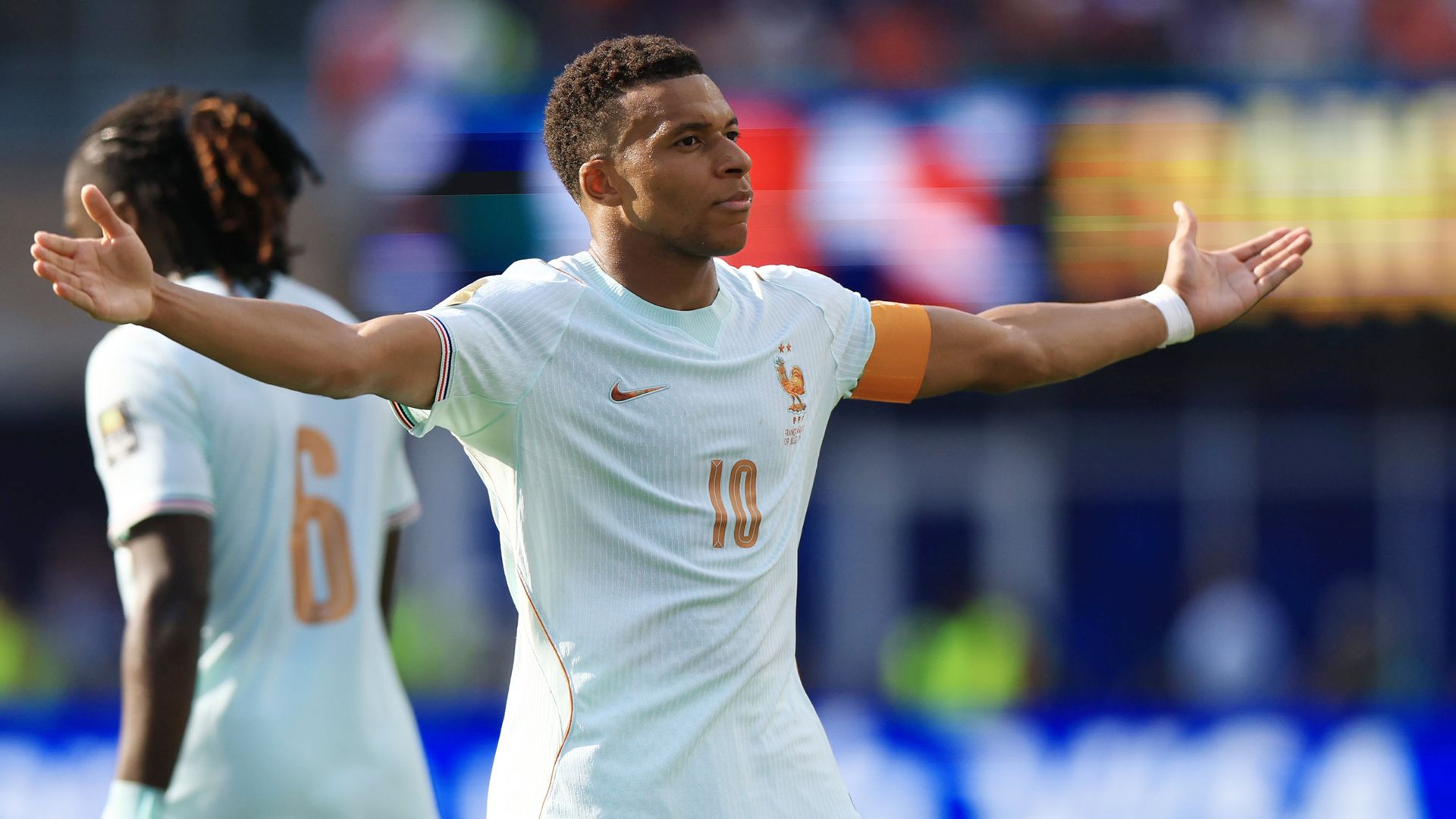
- Morocco face France on Thursday at 21:00 BST at Boston Stadium for a World Cup semi-final place, four years after becoming the first African nation to reach the last four in Qatar — where they lost 2-0 to the same opponent.
- The Royal Moroccan Football Federation has received sustained investment backed by King Mohammed VI, funding a state-of-the-art training facility, a national academy, regional training centres, stadium redevelopments, and thousands of amateur pitches.
- Youth protesters demanded those funds be redirected to education, healthcare, housing, transport, and jobs; the royal palace pledged the equivalent of £11.2bn in the 2026 budget for health and education, a 16% year-on-year increase.
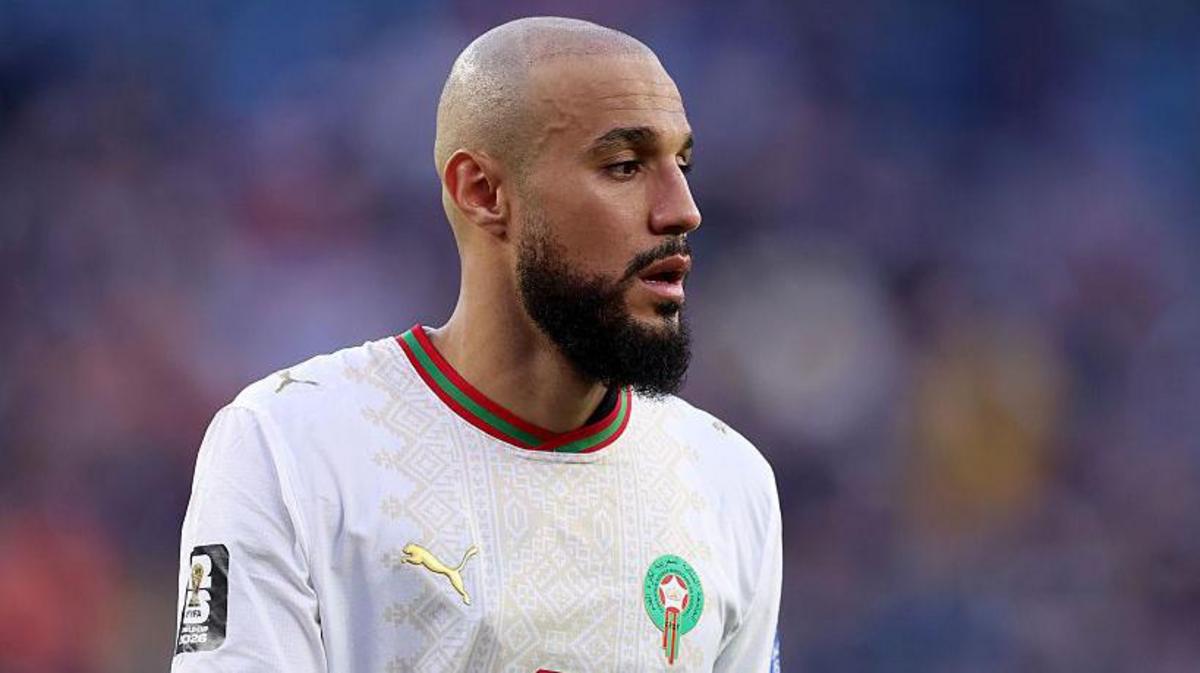
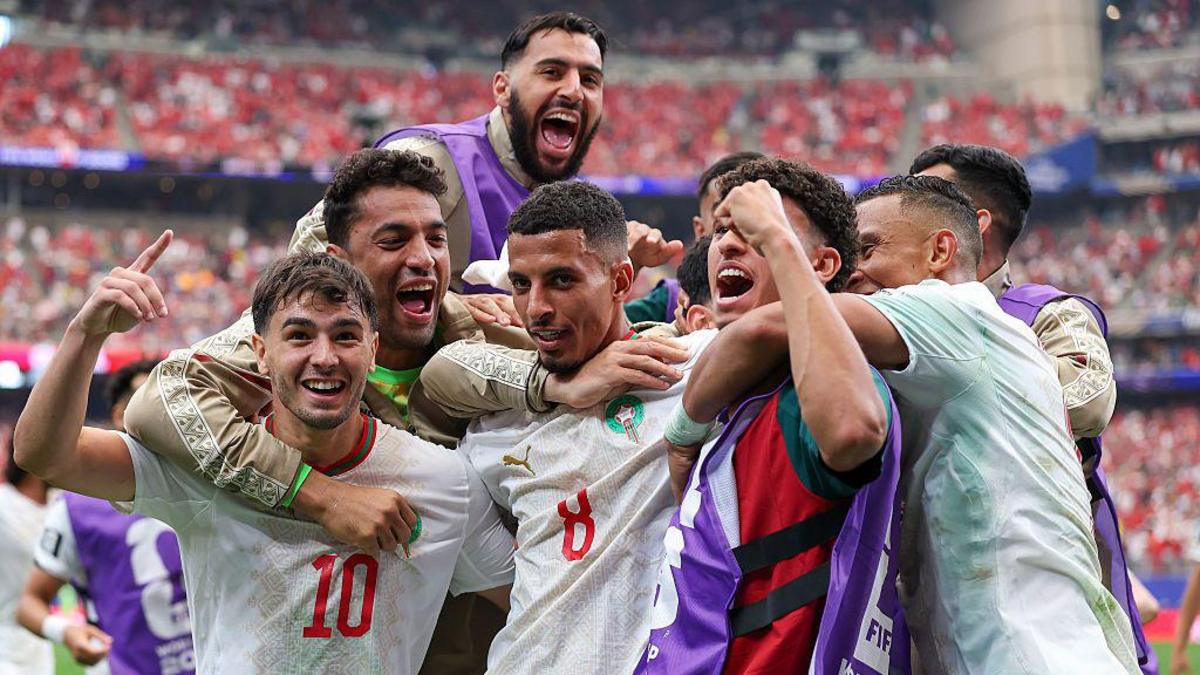
- Morocco's current 26-man World Cup squad includes 19 players born outside the country, with six of those also eligible for France — including 18-year-old Lille midfielder Ayyoub Bouaddi, who represented Les Bleus through the youth age groups before switching.
- The RMFF deployed full-time scouts across France, the Netherlands, Spain, Germany, Norway, Sweden, and Denmark, and technical director Chris van Puyvelde said the target is an equal split between Moroccan-born and diaspora-raised players by the 2030 World Cup.
- Manager Mohamed Ouahbi, who won the Under-20 World Cup in 2025 after being retained over a post-defeat sacking push by the federation president, was promoted to senior boss when Walid Regragui resigned following the African Nations Cup final and signed a deal through 2030.
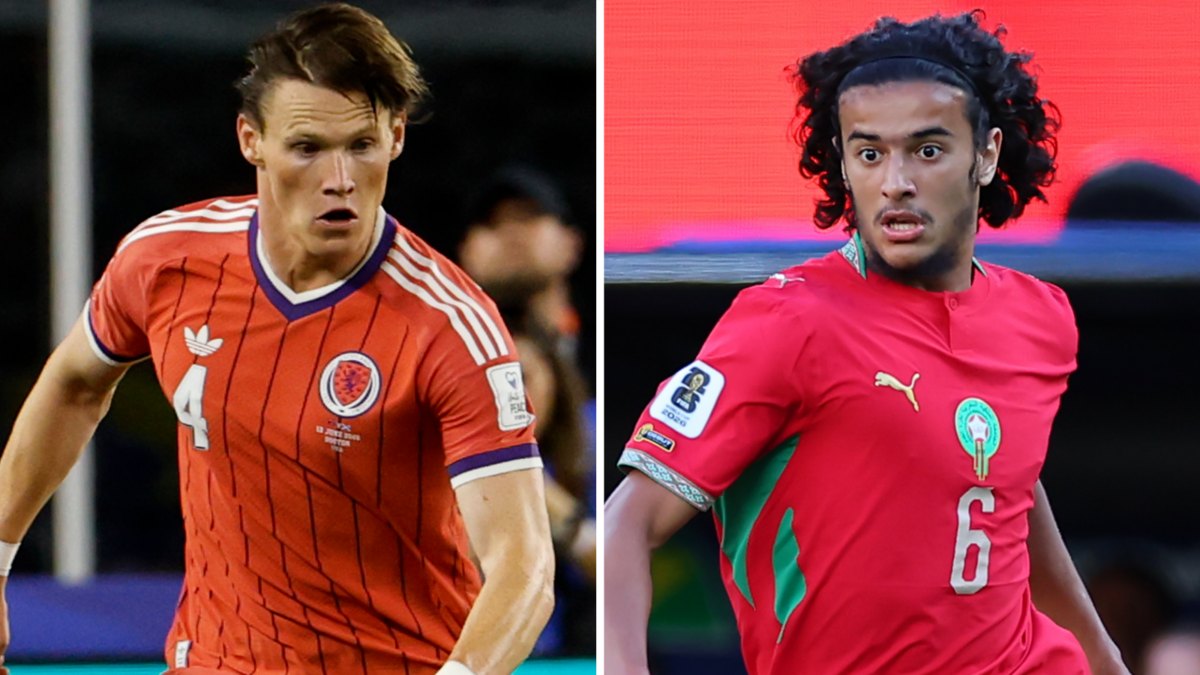
- Morocco have the third-youngest side at the tournament with an average starting age of 26 years and 126 days, and will co-host the 2030 World Cup with Portugal and Spain.
Why it matters: Morocco's ability to draw 19 of 26 squad players from a diaspora of more than five million — including six eligible for France — gives the RMFF a talent pipeline most African federations cannot replicate. With King Mohammed VI's infrastructure spending, the third-youngest squad at this tournament, and 2030 co-host status locked in, the federation's stated target of a 50/50 split between domestic and diaspora-raised players by the next World Cup is within operational reach.
Ask SkimNews