The All Blacks Haka: Origins and Famous Responses — SkimNews
Get the Sports newsletter
Daily sports — scores, transfers, the storylines from the leagues you actually follow. Free.
- The haka is an ancient Māori practice first recorded by Europeans in 1769, when Joseph Banks and James Cook described it as "vigorous and ferocious" during their first voyage to New Zealand.
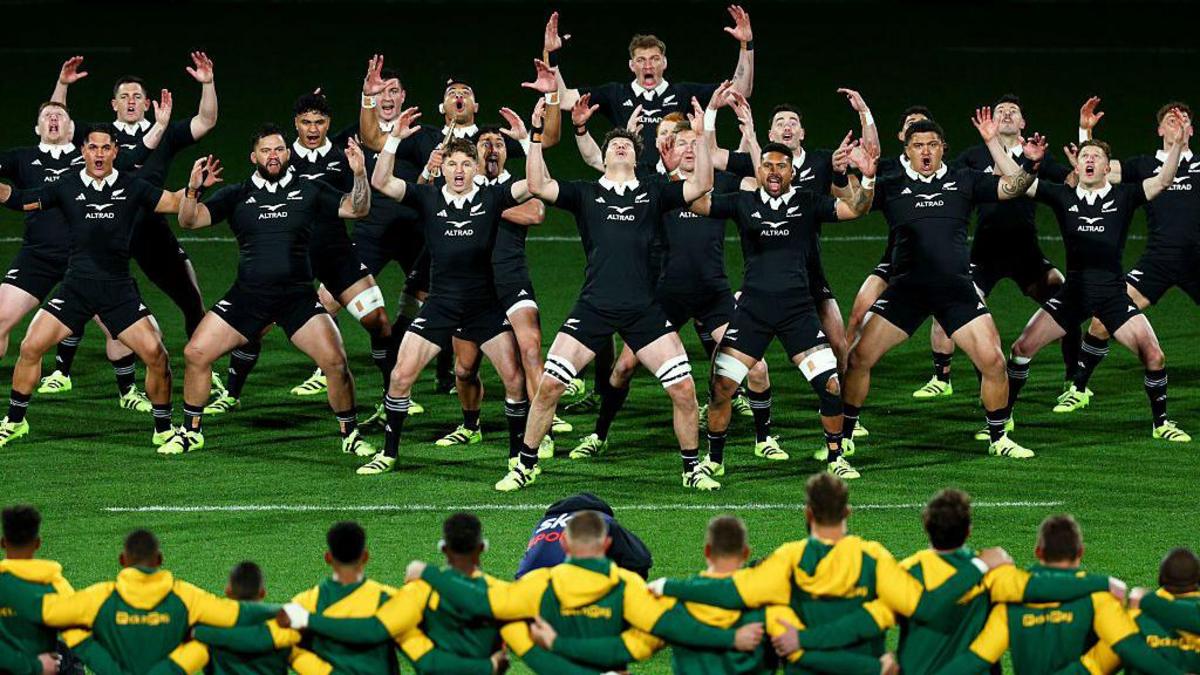
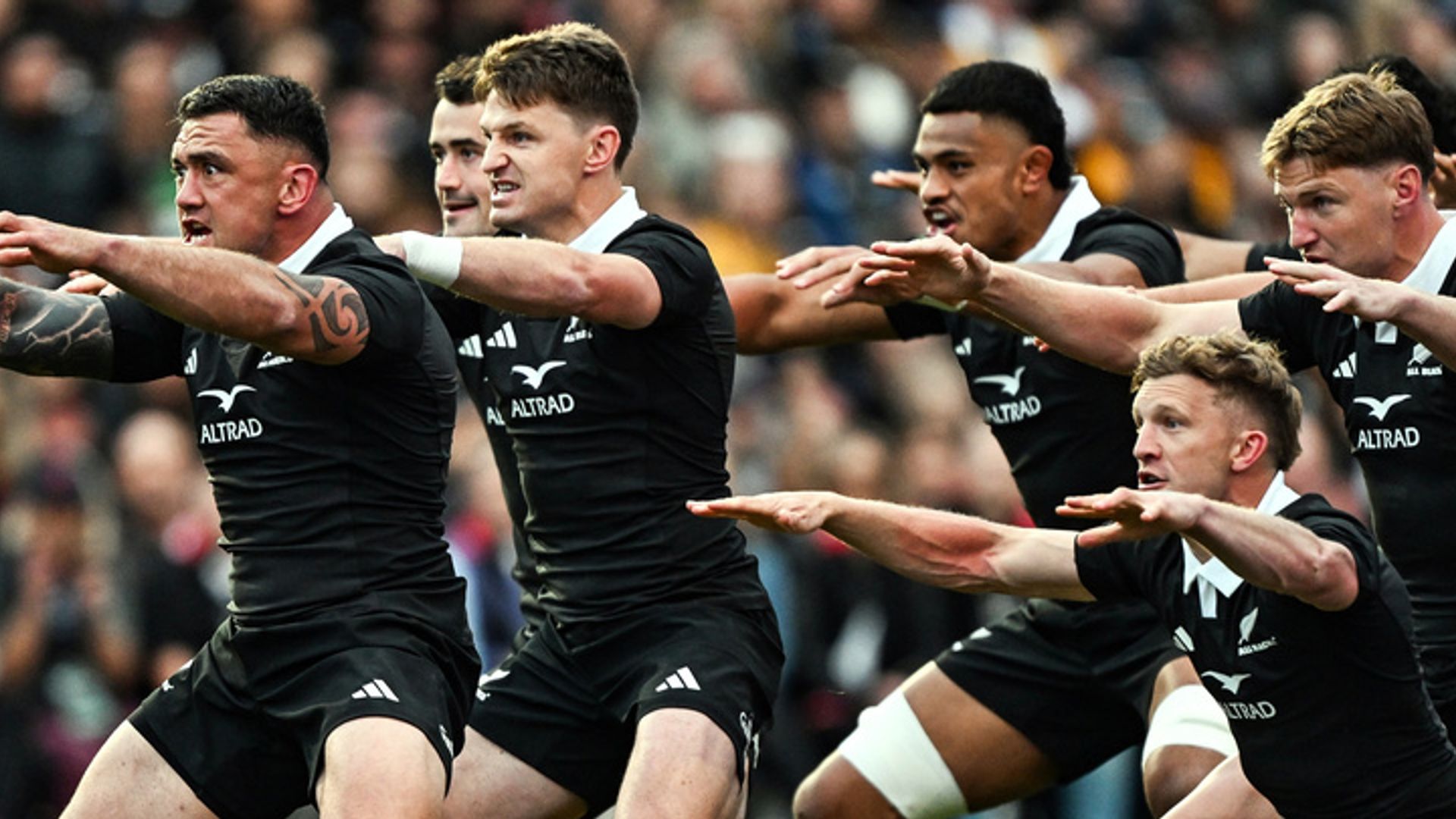
- Buck Shelford standardized the All Blacks' pre-Test haka in 1986, telling teammates "Either perform the haka properly or not at all," and the squad performed it on home soil for the first time en route to winning the inaugural 1987 World Cup.
- The All Blacks adopted the "Kapa o Pango" haka in August 2005 before a Tri-Nations Test against South Africa in Dunedin, featuring captain Tana Umaga's extended aggressive introduction that included drawing his thumb down his throat.
- England advanced beyond the halfway line in a V-formation to confront the 2019 World Cup semi-final haka in Yokohama, were fined £2000 by World Rugby for breaching cultural challenge rules, and won the match 19-7.
- Ireland formed a figure of eight in memory of recently deceased Munster coach Anthony Foley before the 2016 haka in Chicago, then beat the All Blacks 40-29 for a first-ever victory over New Zealand in 111 years.
- Fiji, Samoa, and Tonga each perform distinct pre-match rituals — the Cibi (formation with explosive jump), Siva Tau (chest-slapping and chanting from a kneeling stance), and Sipi Tau (circle-huddle into rhythmic squats and chest-pounding).
- Wales and New Zealand deadlocked for nearly a minute-and-a-half in Cardiff in 2008 when neither side would break its line after the haka concluded, ending only when Richie McCaw ordered his All Blacks to move off.
Why it matters: The haka has become a recurring regulatory and diplomatic flashpoint in rugby — World Rugby fined England £2000 in 2019 for advancing past the halfway line, and Richie McCaw ordered his team to break off after a near 90-second standoff with Wales in Cardiff in 2008. These moments carry rules, fines, walk-offs, and tributes (such as Ireland's 2016 figure of eight for the late Anthony Foley) that extend well beyond sport into questions of cultural protocol and sporting theater.
Ask SkimNews