The All Blacks' Haka explained - plus rugby's other rituals — SkimNews
Get the Sports newsletter
Daily sports — scores, transfers, the storylines from the leagues you actually follow. Free.
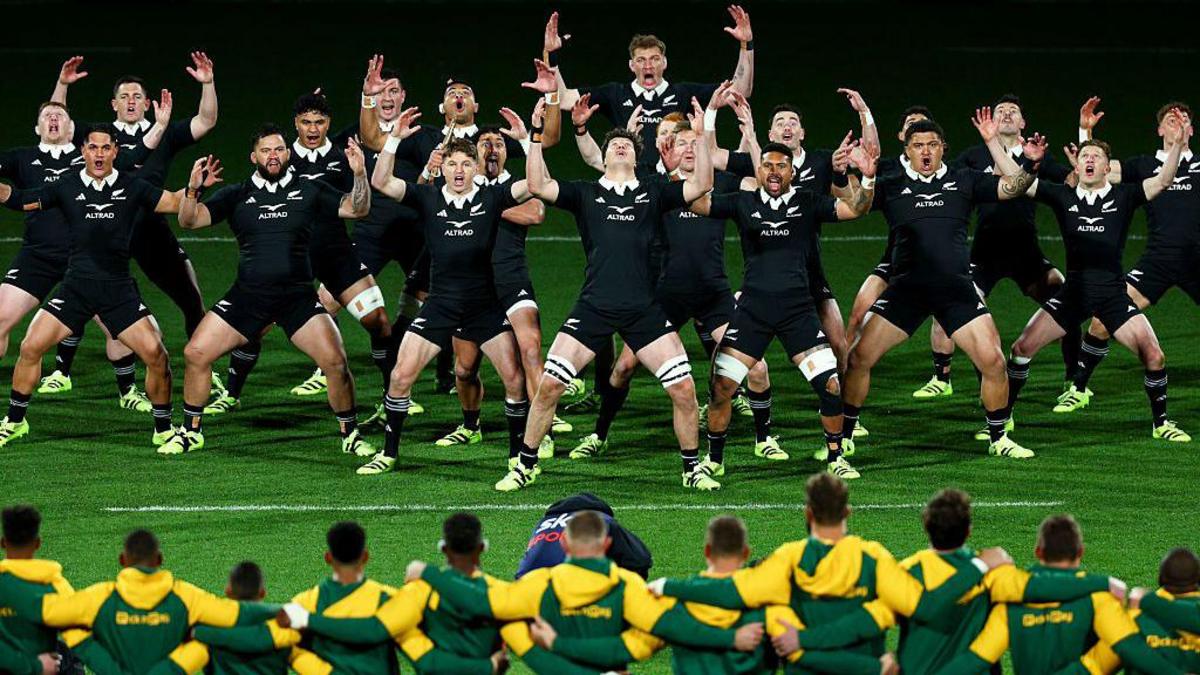
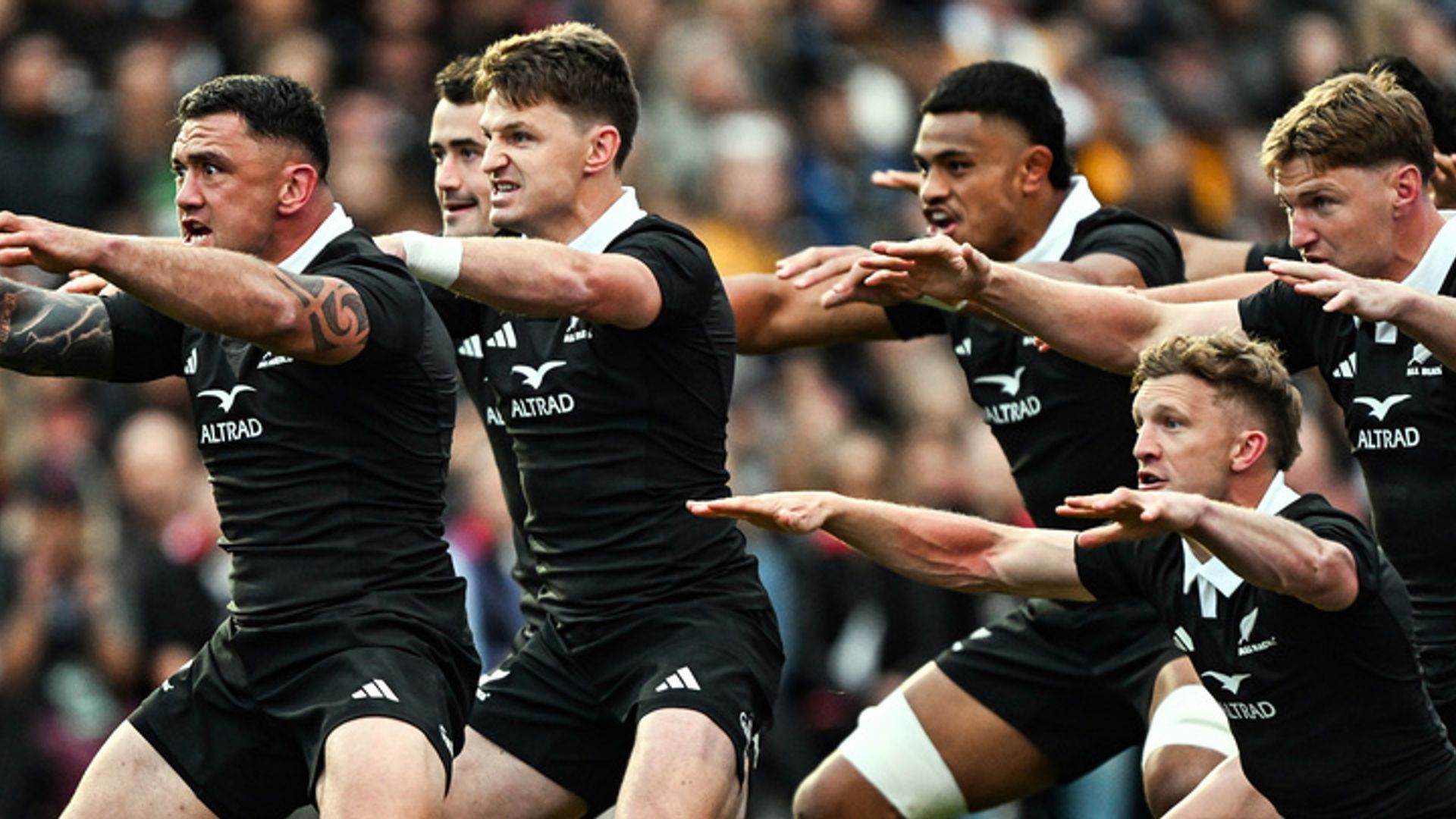
- The haka is an ancient Māori practice first witnessed by Europeans in 1769, when Joseph Banks and James Cook recorded it as "vigorous and ferocious" during their first voyage to New Zealand.
- New Zealand rugby teams first performed the haka on their 1884 tour to Australia, with a "New Zealand native team" repeating it against Surrey in the UK on October 3, 1888.
- The "Ka Mate" haka, composed in 1820 by Māori chief Te Rauparaha, was performed by the 1905 "Originals" All Blacks against Scotland and Wales but did not become a pre-match custom until 1986.
- Buck Shelford reformed the haka ahead of the 1987 Rugby World Cup, insisting on correct pronunciation and synchronized execution, and led the All Blacks' first home haka performance during that tournament.
- Famous opposition responses include Australia turning their backs in 1996, France walking within a metre in the 2007 World Cup quarter-final, England breaching the halfway line in a 2019 V-formation (fined £2000), and Ireland forming a figure-of-eight in 2016 in tribute to the late Anthony Foley.
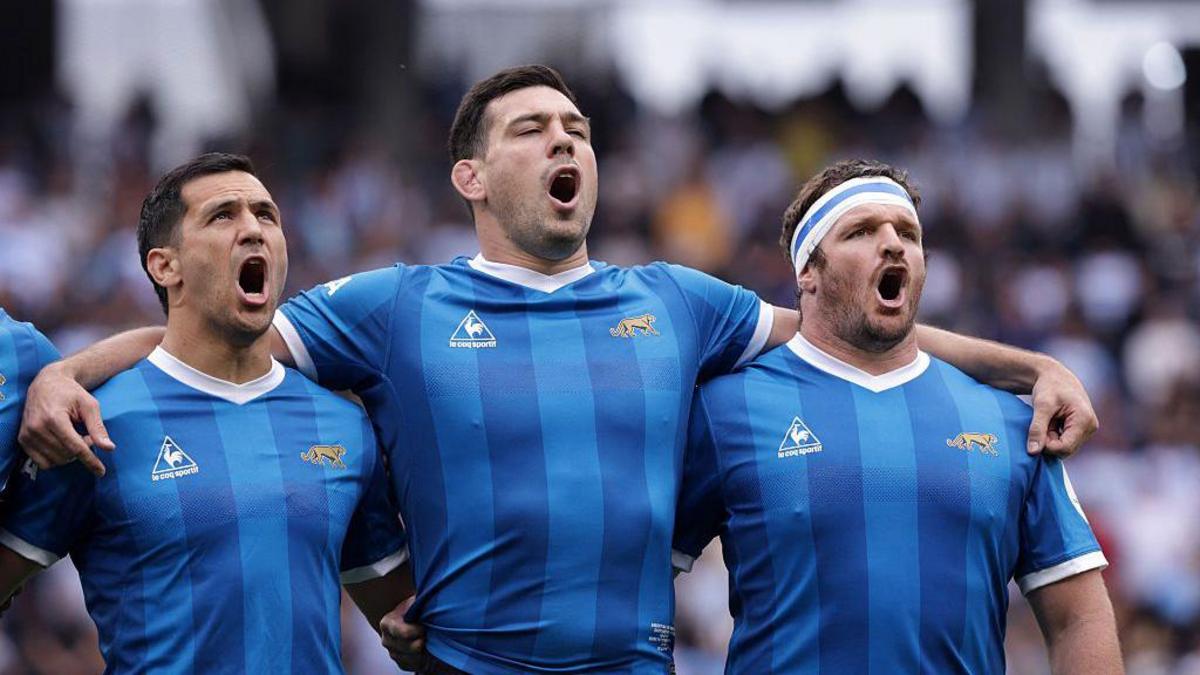
- Fiji, Samoa, and Tonga each perform their own pre-match rituals — Fiji's Cibi features a synchronized low crouch and explosive jump, Samoa's Siva Tau includes chest-slapping and intense chanting, and Tonga's Sipi Tau begins with a huddled circle before structured formations.
Why it matters: Published ahead of the All Blacks' October 17 Test against Australia in Sydney, this piece gives fans the cultural and historical grounding behind one of rugby's most anticipated pre-match moments, while spotlighting that the Pacific island nations carry their own distinct war-dance traditions that often go undiscussed in coverage dominated by New Zealand.
Ask SkimNews