Tirzepatide Activates Brown Fat in Obese Mice, Study Finds — SkimNews
Get the Health newsletter
Daily health & science — research, biotech, public health, the studies worth knowing. Free.
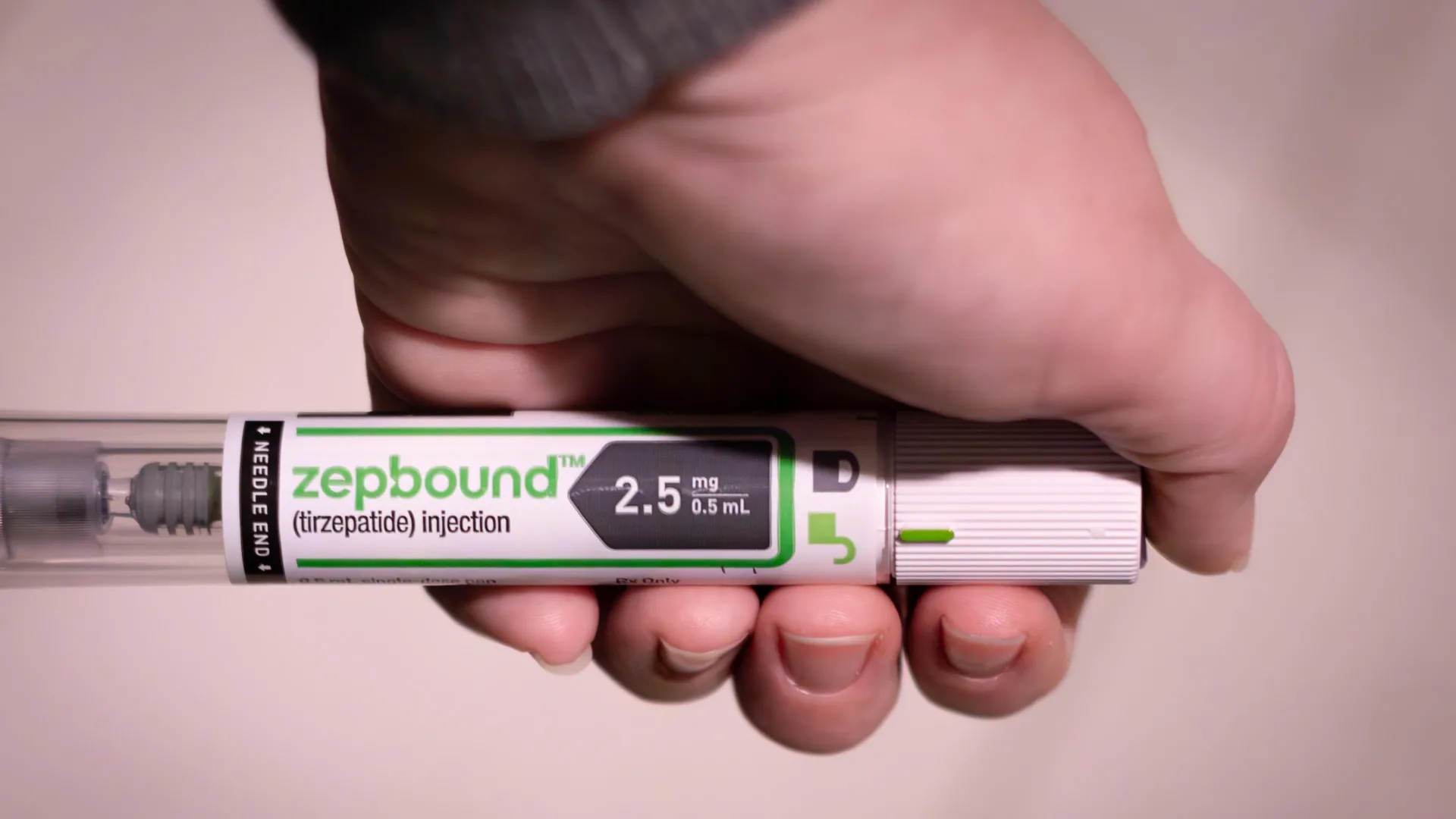
- University of Barcelona researchers found tirzepatide activated calorie-burning brown adipose tissue in obese mice fed a high-fat diet, a metabolic effect that extends beyond appetite suppression and reduced food intake.
- Tirzepatide uniquely targets both GIP and GLP-1 hormone receptors simultaneously, and the study paired treated mice with untreated mice given the same food amount to isolate direct drug effects from those caused by eating less.
- The study, published in Biomedicine (2026), linked brown fat activation to increased energy-burning capacity and production of batokines — molecules the researchers described as beneficial for metabolism.
- Unlike previous attempts to activate brown fat pharmacologically, which often caused cardiac side effects, tirzepatide shows cardiovascular benefits, according to lead researcher Marion Peyrou.
- Researchers cautioned that findings come from mice and that metabolism, fat distribution, and drug response can differ substantially between species, requiring clinical evidence before applying the results to patients.
- The findings could inform more personalized obesity treatment, helping identify patient profiles with compromised energy expenditure who might benefit most from tirzepatide-class drugs.
Why it matters: If the brown-fat activation holds up in humans, tirzepatide would be the first obesity drug shown to both cut appetite and ramp up energy expenditure — a combination that earlier brown-fat drug programs abandoned over cardiac safety concerns. That dual mechanism could reshape how clinicians choose among GLP-1 therapies and push the next wave of obesity drug development toward energy-expenditure targets rather than appetite alone.
Ask SkimNews