Tirzepatide Activates Calorie-Burning Brown Fat in Mice — SkimNews
Get the Health newsletter
Daily health & science — research, biotech, public health, the studies worth knowing. Free.
- Tirzepatide activated brown adipose tissue in obese mice fed a high-fat diet, according to a study in Biomedicine led by Marion Peyrou at the University of Barcelona and affiliated research institutes.
- Peyrou's team controlled for appetite suppression by pair-feeding mice the same calories without the drug, isolating tirzepatide's direct metabolic effects on fat tissue from weight loss driven by eating less.
- The brown fat activation was linked to increased energy-burning capacity and the release of "batokines," molecules Peyrou described as beneficial for metabolism.
- Unlike earlier drugs that attempted to switch on brown fat and caused cardiac side effects, tirzepatide shows cardiovascular benefits rather than harms, the researchers noted.
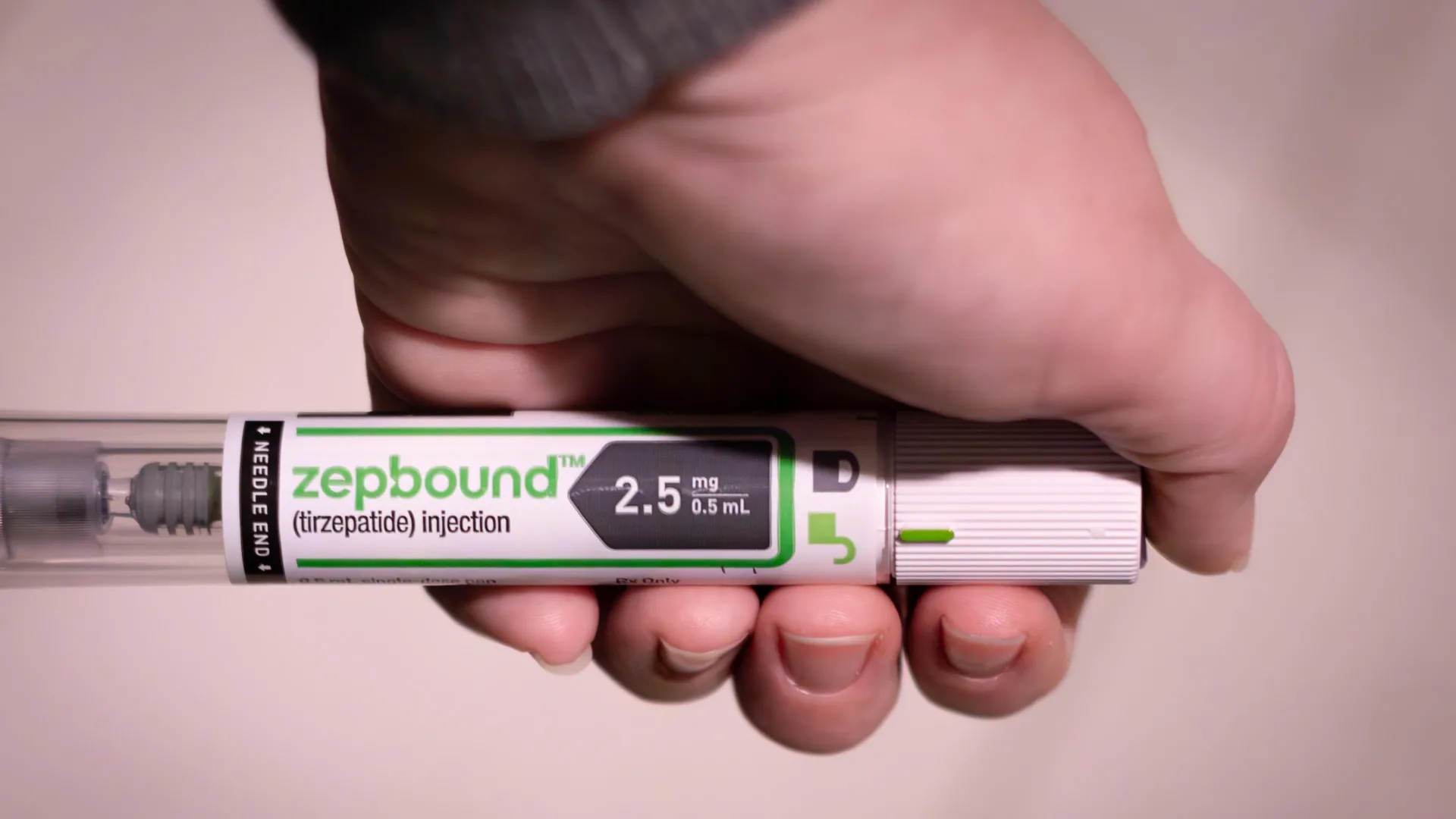
- Tirzepatide is a dual GIP/GLP-1 receptor agonist already approved for obesity and type 2 diabetes, and the team called for clinical studies to confirm whether the brown-fat effect carries over to humans.
- The researchers said the findings could support personalized obesity treatment that matches therapies to patients' metabolic profiles, not only their appetite or weight.
Why it matters: If the brown-fat effect holds in humans, tirzepatide's value for patients with obesity and type 2 diabetes would extend beyond how much they eat to how much energy they burn — and its known cardiovascular safety record would give it a structural edge over earlier brown-fat drug candidates that failed over cardiac risks.
Ask SkimNews