Iran Vows 'More Painful' Response After U.S. Tanker Strikes — SkimNews

Get the Geopolitics newsletter
Daily geopolitics — wars, elections, sanctions, the diplomatic moves that move markets. Free.
- Mohammad Bagher Ghalibaf warned on Sunday (September 6, 2026) that any attack on Iran's interests will receive a 'faster, heavier and more painful response,' telling the U.S. the rules of war have changed 'before it is too late.'
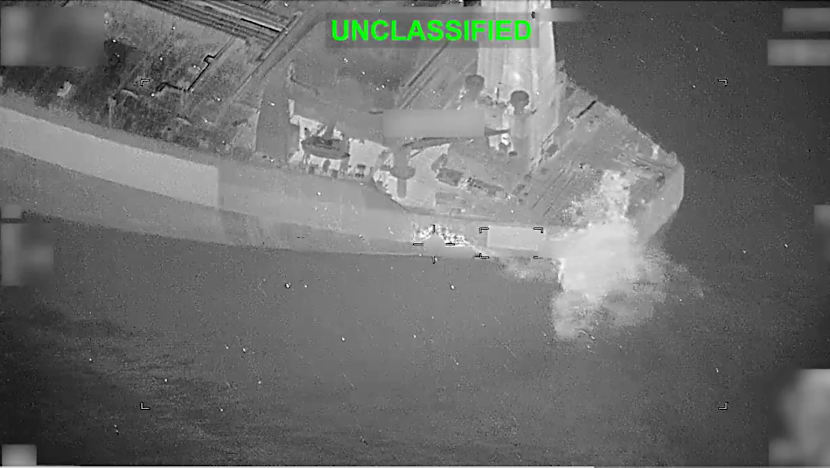
- The United States struck several Iranian tankers in the Gulf on Saturday (September 5, 2026), one day before Ghalibaf's warning, after a month of relative calm gave way to renewed attacks last week.
- The U.S. bombardment of southern Iran earlier in the week killed at least five people, with the Strait of Hormuz and Iranian communities along it again being targeted as part of the resumed fighting.
- Iran's shadow fleet has continued transporting oil to buyers despite the U.S. naval blockade, helping Tehran circumvent sanctions and ease growing economic pressures.
- Iran's nuclear program, cited as the trigger for the war, was meant to be addressed in negotiations that collapsed soon after the U.S. and Iran signed a memorandum of understanding in mid-June.
Why it matters: Ghalibaf's direct threat raises the cost of escalation for Washington, which struck Iranian tankers just one day earlier and has resumed attacks after a month of relative calm. With the mid-June nuclear memorandum's follow-up talks already collapsed and Iran sustaining oil exports via its shadow fleet, both sides are now fighting a war with no diplomatic off-ramp and at least five civilians killed in the latest round.
Ask SkimNews