Platner Energy Plan: Windfall Tax, Rate Freeze, Gas-Tax Cut — SkimNews

SkimNews Take
Platner's populist framing, emphasizing his outsider status and military background, aims to broaden the appeal of traditionally progressive energy policies beyond their core demographic.
Get the Energy newsletter
Daily energy & climate — solar, EVs, oil, the policy fights and tech bets shaping the transition. Free.
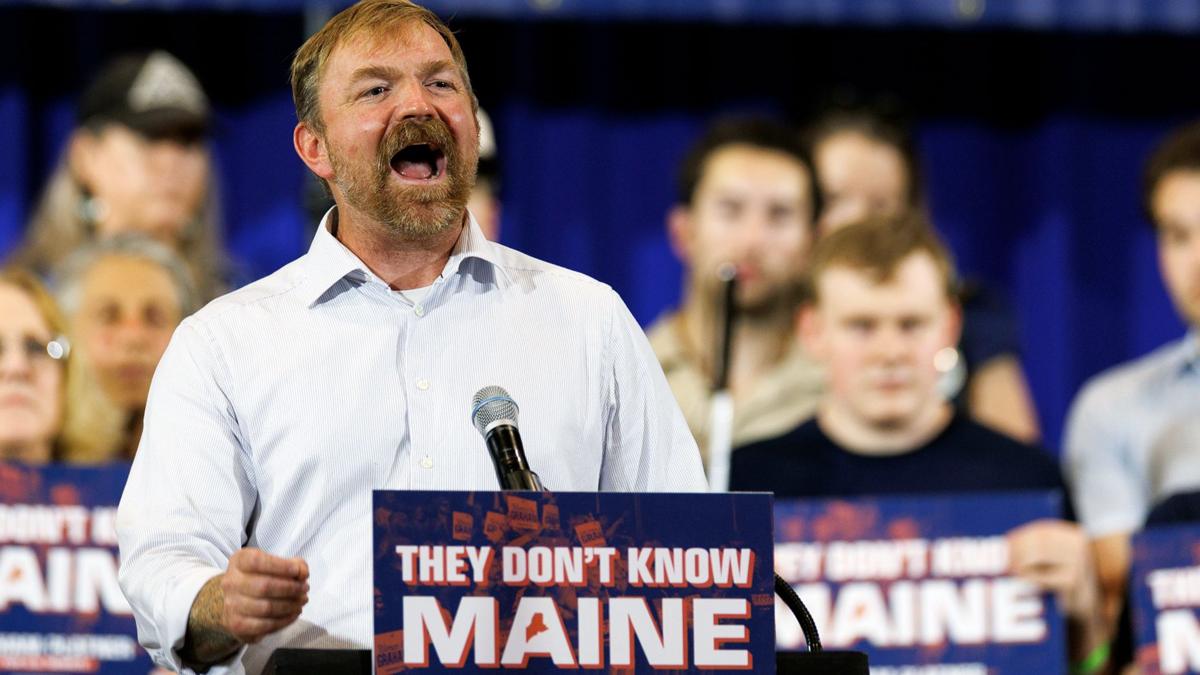
- Graham Platner, presumptive Democratic nominee for U.S. Senate from Maine, released an energy plan pairing climate goals with immediate consumer relief, telling ICN: "We need to get off fossil fuels... because that would make America self-sustaining."
- The plan proposes rebates on electricity bills funded by a tax on oil-company "windfall profits" earned since the start of the U.S.–Iran war — an idea first proposed by Rep. Ro Khanna and Sen. Sheldon Whitehouse.
- The plan also calls for incentivizing states to temporarily freeze electricity rates and eliminating federal gas and diesel taxes, with infrastructure funding offset by higher taxes on the wealthiest Americans.
- Maine households face among the nation's highest residential electricity prices and heavy heating-oil dependence, costs the source links to supply disruptions after the U.S. and Israel struck Iran and Iran choked petroleum flows through the Strait of Hormuz.
- On data centers, Platner was noncommittal on a moratorium but said facilities should "bring their own power" by co-locating generation; his campaign told ICN a more detailed data-center policy is forthcoming.
- Maine climate advocates reacted positively: Third Act's Tom Mikulka called Platner "a young Third Actor," and Maine Sierra Club chair Emma Conrad said his focus on corporate greed aligns with club priorities — a contrast the source emphasizes with GOP incumbent Susan Collins.
- Platner became the presumptive nominee after Gov. Janet Mills suspended her Senate campaign; primary challenger David Costello, who also has a strong environmental record, remains in the race.
Why it matters: Maine voters hit with some of the nation's highest electricity prices and heating-oil costs — worsened by the Iran war's impact on global petroleum supply — now have a Democratic Senate candidate pitching relief funded by oil-company windfall taxes and shifting gas-tax infrastructure costs onto the wealthiest. The rollout is a live test of whether populist affordability messaging can carry a climate-transition platform into a likely general-election fight with Susan Collins.
Ask SkimNews