KAIST Spray Powder Stops Severe Bleeding in 1 Second — SkimNews
Get the Health newsletter
Daily health & science — research, biotech, public health, the studies worth knowing. Free.
- KAIST researchers developed AGCL spray-on powder that transforms into a strong hydrogel in about 1 second by reacting with calcium and other cations naturally present in blood.
- AGCL powder absorbed 725% of its own weight in blood and achieved adhesive strength above 40kPa, outperforming commercial hemostatic agents in surgical liver-injury tests with reduced blood loss and faster bleeding control.
- The powder is composed of alginate, gellan gum, and chitosan — all naturally derived — and showed less than 3% hemolysis, above 99% cell viability, and a 99.9% antibacterial effect in lab tests.
- Unlike conventional patch-type hemostatics, AGCL conforms to deep, irregular, and complex wounds and remained effective after two years stored at room temperature under high humidity.
- PhD candidate Kyusoon Park (Army Major) and PhD student Youngju Son led the study under Professors Steve Park and Sangyong Jon, published online October 28, 2025 in Advanced Functional Materials (IF 19.0).
- The technology earned the 2025 KAIST Q-Day President's Award and the 2024 Minister of National Defense Award, with researchers flagging civilian uses in disaster response, medically underserved regions, and internal surgery.
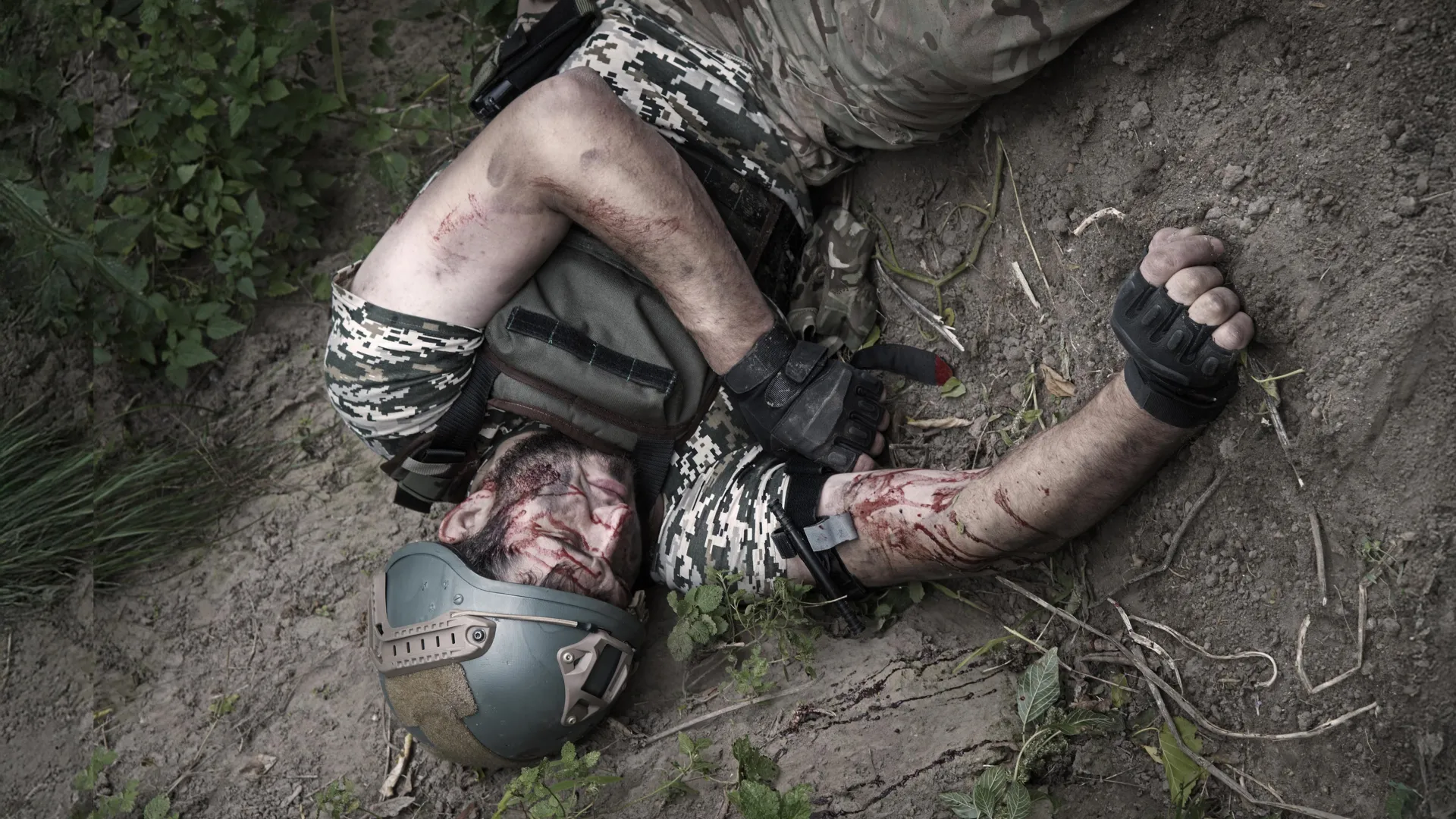
Why it matters: Hemorrhage is the leading cause of combat-injury death, so a hemostatic that seals deep, irregular wounds in roughly 1 second and survives two years of harsh storage directly addresses a battlefield-medicine bottleneck the source documents — and the ionic gelation mechanism distinguishes it from products that work mainly by absorption.
Ask SkimNews