MIT analyses prove neutrino laser design impossible — SkimNews

Get the Health newsletter
Daily health & science — research, biotech, public health, the studies worth knowing. Free.
- Wolfgang Ketterle and MIT colleagues published two analyses in Physical Review Letters showing that a proposed neutrino laser design cannot work.
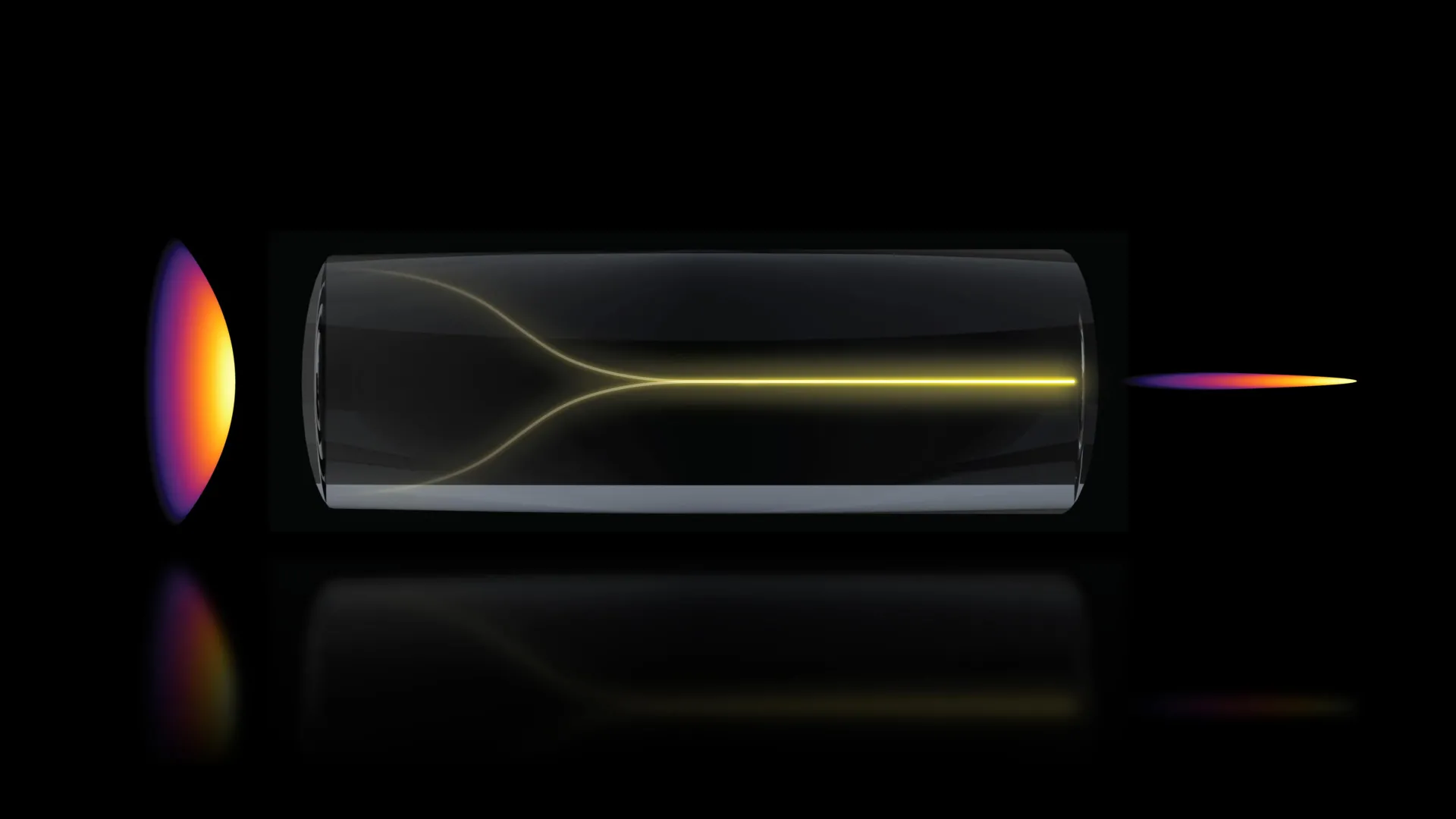
- Ben Jones (University of Manchester) and Joseph Formaggio (MIT) proposed in 2025 corralling thousands of extremely cold radioactive atoms into a Bose-Einstein condensate so their neutrino emissions would amplify into a laser-like beam.
- Ketterle's team calculated that the proposal's key "memory effect" — where atoms sharing a quantum state would continue emitting neutrinos in the same direction — would last roughly 10,000 billion times too briefly to steer the particles.
- The researchers also uncovered an opposing "anti-memory" effect: because neutrinos are fermions, an atom that has just emitted one cannot emit another immediately, undermining the amplification mechanism at its core.
- Kyle Leach at Queen's University in Canada said the analysis does not categorically rule out every neutrino laser, but eliminates the conventional one-neutrino-per-atom scenario; designs where each atom emits two neutrinos at once remain untested.
Why it matters: For neutrino physics, the finding narrows the field by retiring the most straightforward route to a neutrino laser while leaving exotic multi-neutrino-emission schemes as the only untested alternative. Ketterle himself frames the episode as physics self-correcting even when it means abandoning a creative idea.
Ask SkimNews