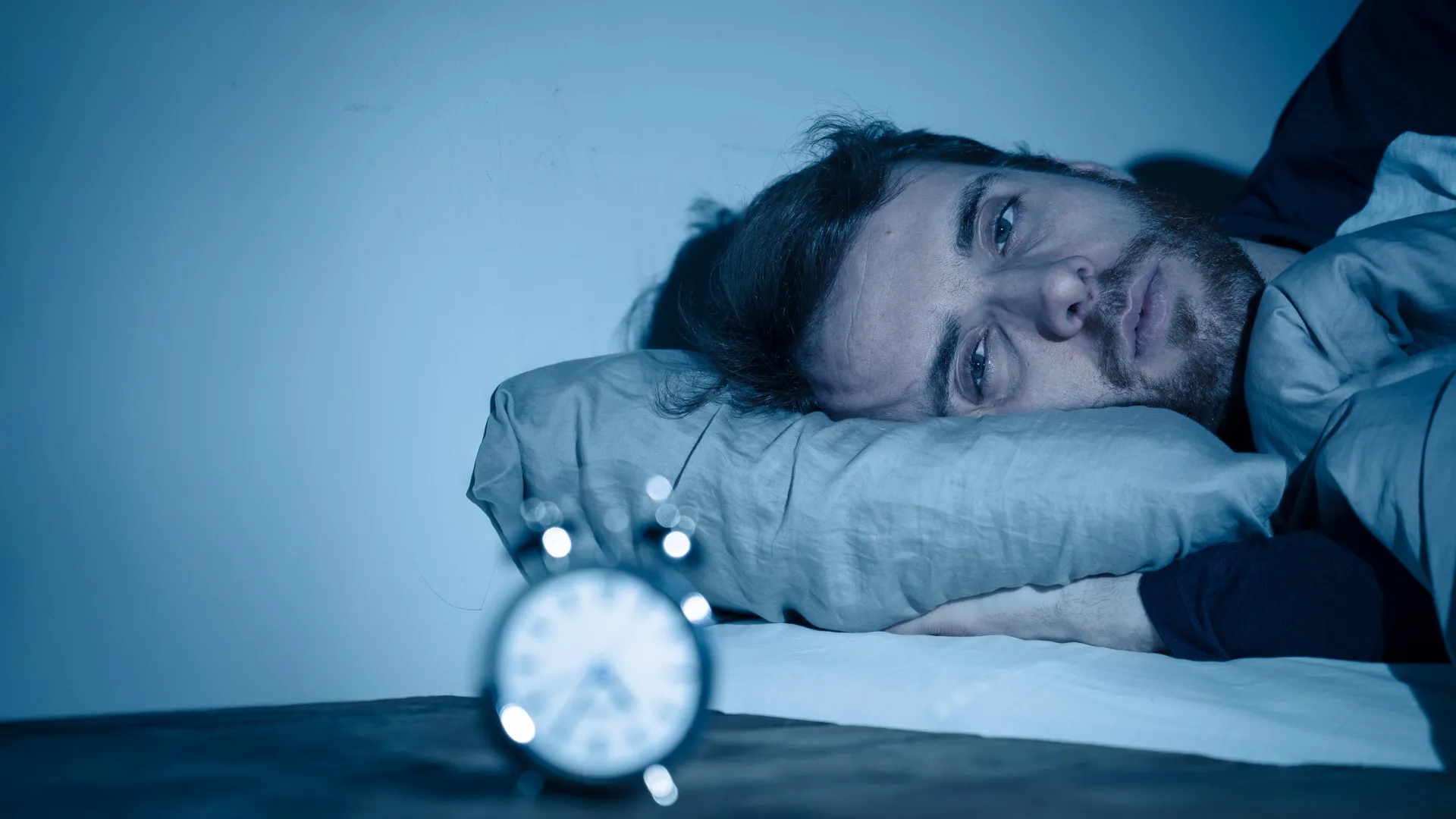
The hidden cost of the night shift and how to sleep it off
Get the Health newsletter
Daily health & science — research, biotech, public health, the studies worth knowing. Free.
- Swedish researchers tracking more than 13,000 shift workers for up to 41 years found mid-life shift work was associated with a 36% higher risk of dementia, with risk rising the longer someone worked shifts.
- Prof Hugh Markus at the University of Cambridge, analyzing brain scans of more than 40,000 UK Biobank participants, found that impaired glymphatic drainage — the brain's waste-clearance system active during sleep — significantly predicted later dementia.
- The WHO's International Agency for Research on Cancer has classified night shift work as "probably carcinogenic to humans," placing it in the same risk group as red meat, citing links to breast, prostate, colon and colorectal cancers.
- Over 3 million people in the UK work night shifts, with disrupted sleep raising cortisol, promoting insulin resistance, and driving inflammation linked to heart disease, according to the article.
- Dr Line Victoria Moen at Norway's National Institute of Occupational Health is studying Arctic Circle shift workers, many of whom naturally sleep in two distinct blocks (9am–1pm and afternoon), and has reviewed 11,000 paper summaries on biphasic sleep; full results are expected later this year.
- Historian Roger Ekirch of Virginia Tech established that biphasic sleep was the predominant pattern in pre-industrial Western Europe until the mid-19th century, while Thomas Wehr's classic experiment showed volunteers given 14 hours of darkness naturally drifted into two sleep blocks.
Why it matters: Roughly 3 million UK night shifters face a documented chain — glymphatic disruption, inflammation, cortisol spikes — that the Karolinska data ties to a 36% higher dementia risk, yet Markus notes the dominant public-health message still overlooks modifiable vascular risk factors like blood pressure and diabetes that drive much of the same outcome.