Half of Mideast Urea Lost as Hormuz Closure Strands Ships — SkimNews

Get the Geopolitics newsletter
Daily geopolitics — wars, elections, sanctions, the diplomatic moves that move markets. Free.
- Middle East urea output has slumped by more than half since the start of the Iran conflict, disrupting fertilizer flows from the region.
- The effective closure of the Strait of Hormuz has choked urea shipments, leaving large volumes stranded in the Gulf and tightening global supply.
- Iranian drone attacks on Qatar and Bahrain have damaged energy and industrial infrastructure, directly hindering chemical production capacity.
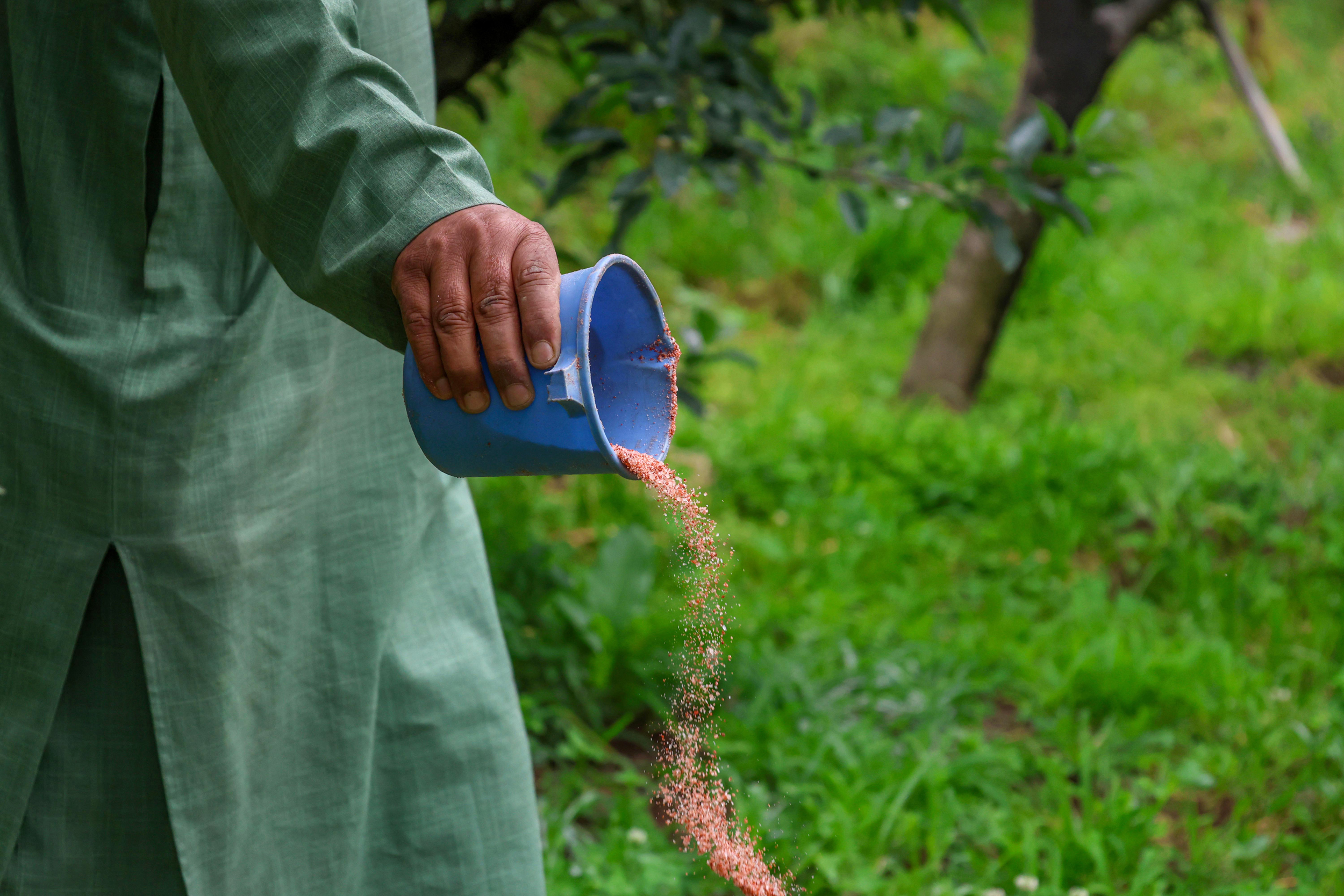
- Urea, a key component in nitrogen fertilizers, is now in shorter supply for farmers worldwide, raising the threat of global food inflation.
- The supply squeeze hits both shipping logistics and physical production, meaning recovery in fertilizer flows depends on both safer sea lanes and repaired infrastructure.
Why it matters: Urea is the backbone of nitrogen fertilizer, and the Middle East is a major producing region; with over half of regional output offline, farmers from Asia to Africa face tighter planting-season supplies, and the disruption to both shipping and production infrastructure means tight conditions could persist well after the conflict itself ends.
Ask SkimNews