Iran Threatens Gulf Energy Infrastructure If US Strikes — SkimNews

Get the Geopolitics newsletter
Daily geopolitics — wars, elections, sanctions, the diplomatic moves that move markets. Free.
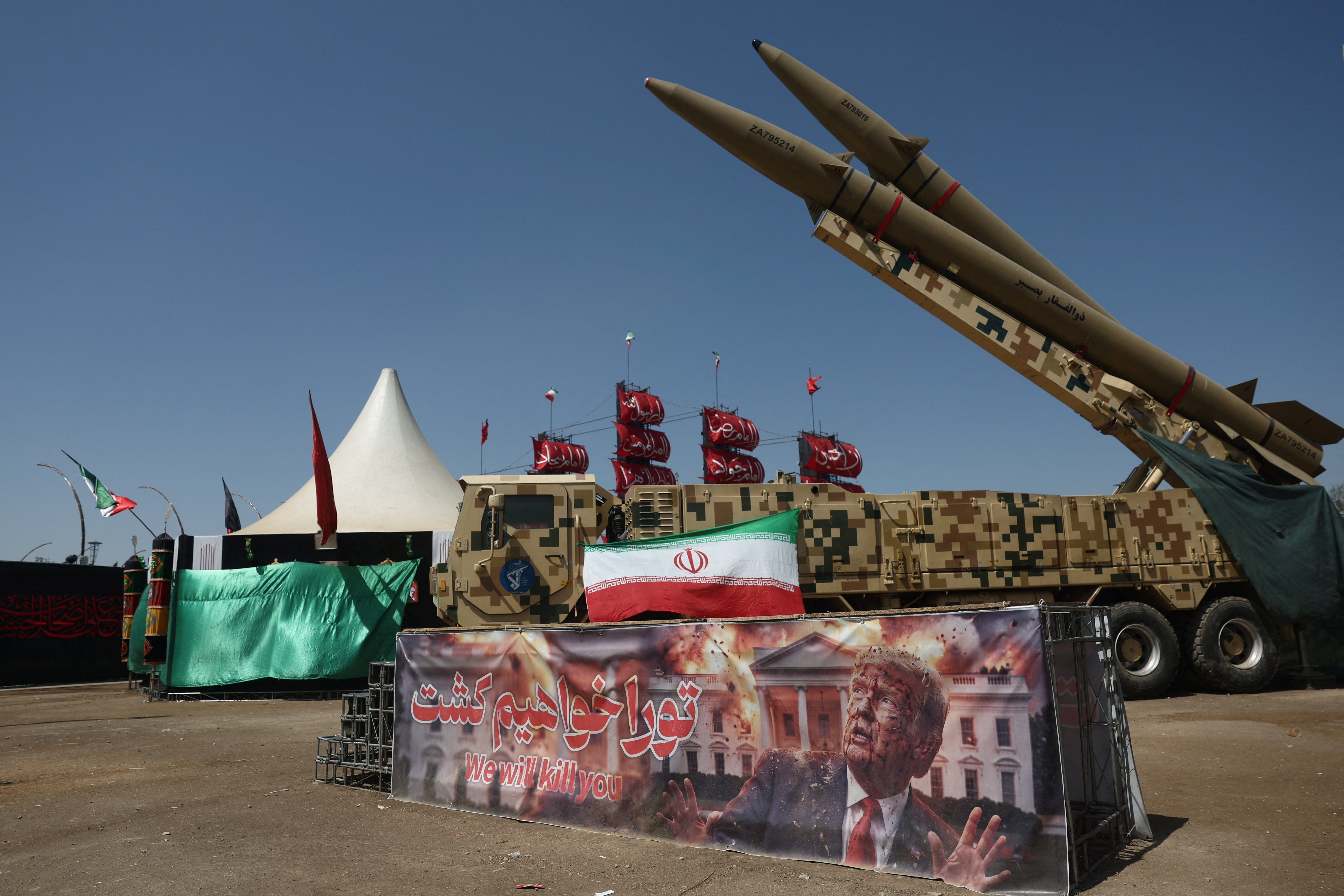
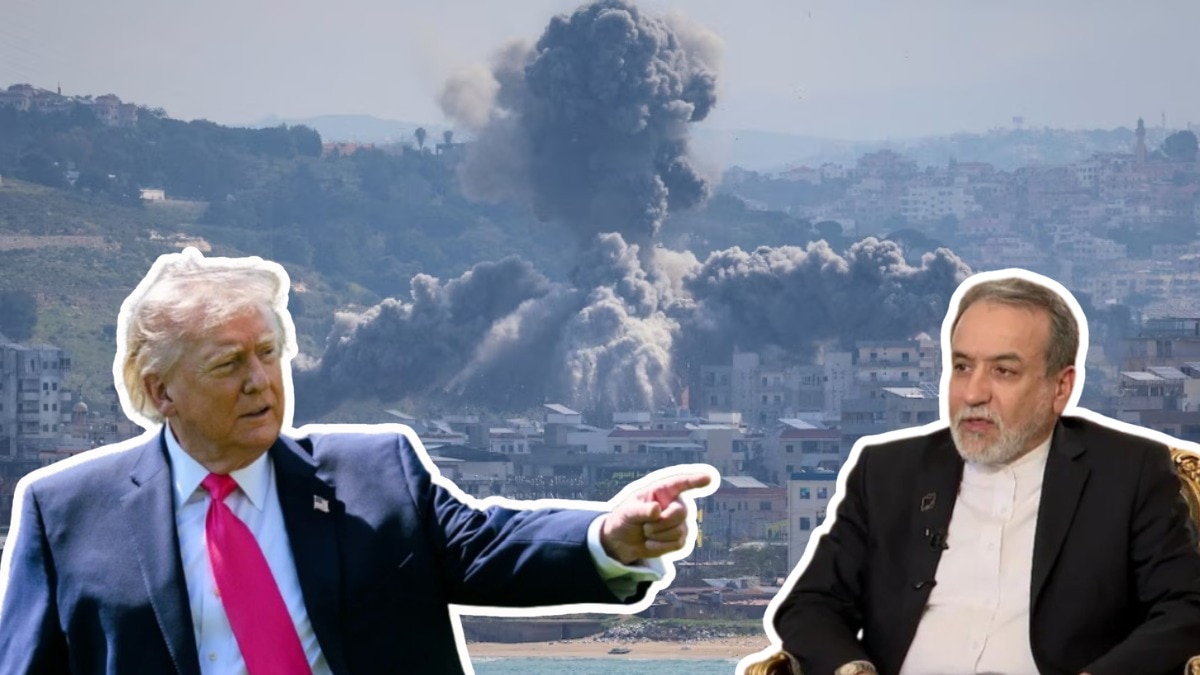
- Iran's Foreign Minister Abbas Araghchi contacted his Saudi, Turkish and Qatari counterparts, plus Pakistan's Army chief, warning that any US attack on Iran would prompt strikes on "U.S. assets and energy facilities across the Gulf" and urging them to press Trump toward diplomacy.
- Trump on July 28, 2026 threatened to strike Iran's energy network, prompting the Iranian outreach, but on August 2 said he agreed to cancel the attack "subject to being able to rapidly make a deal."
- Saudi Crown Prince Mohammed bin Salman subsequently spoke with Trump, urging him to delay military action, secure a ceasefire and pursue a diplomatic settlement, according to the senior regional diplomat and Gulf sources.
- Saudi Arabia warned it would respond militarily if attacked, while Riyadh-based analyst Ali Shihabi said "a combination of proportionate military responses and sustained pressure on Iran in the Strait of Hormuz offers the strongest path toward a practical diplomatic settlement."
- Iran specifically threatened to target energy facilities, refineries, electricity grids, water infrastructure, transport networks and oil fields across the Gulf, with one Iranian official invoking the 2019 Aramco strikes that temporarily knocked out more than half of Saudi crude production.
- Washington faces two unpalatable choices, per an Iranian official: escalate a conflict that could disrupt global energy supplies, or accept a negotiated outcome short of decisive victory — with the senior diplomat noting "the United States wants something it can present as proof that it won the war."
Why it matters: By threatening infrastructure critical to Gulf economies, Tehran is leveraging the roughly 5 million barrels per day of Saudi crude production that was temporarily knocked offline in the 2019 Aramco attack to make the cost of renewed US strikes intolerable to Washington's own regional partners. Saudi Arabia, Qatar and Oman are now caught between hosting US military bases and being exposed as Iranian targets, giving them strong incentive to push Trump toward a deal — though Washington reportedly refuses any outcome that lets Tehran claim victory.
Ask SkimNews