Bosnia votes in one of world’s most complicated general elections — SkimNews

Get the Geopolitics newsletter
Daily geopolitics — wars, elections, sanctions, the diplomatic moves that move markets. Free.
- Bosnia's 3.4 million voters are choosing three multiethnic presidency members, national parliament lawmakers, and heads of institutions for the Federation of Bosnia and Herzegovina and Republika Srpska on Saturday
- Bosnia's complex governing structure stems from a 1995 US-brokered peace agreement meant to manage the Bosniak, Serb, and Croat ethnic divisions from the 1992-95 war
- Republika Srpska former president Milorad Dodik declared at SNSD's final Banja Luka rally that "Bosnia and Herzegovina is dead; it is an impossible country," as his party pushes for entity secession
- Incumbent Bosniak presidency member Denis Becirovic pledged a renewed path toward EU and NATO membership, while Croat nationalists demand electoral reform to expand their say in choosing the Croat presidency member
- EU accession negotiations scheduled for 2024 were delayed as Brussels required Bosnia pass stronger anticorruption laws and reform its judicial system, after the bloc granted candidate status in December 2022
- Russia is accused of slowing Bosnia's EU path while maintaining close ties with Dodik's secessionist SNSD, the source states
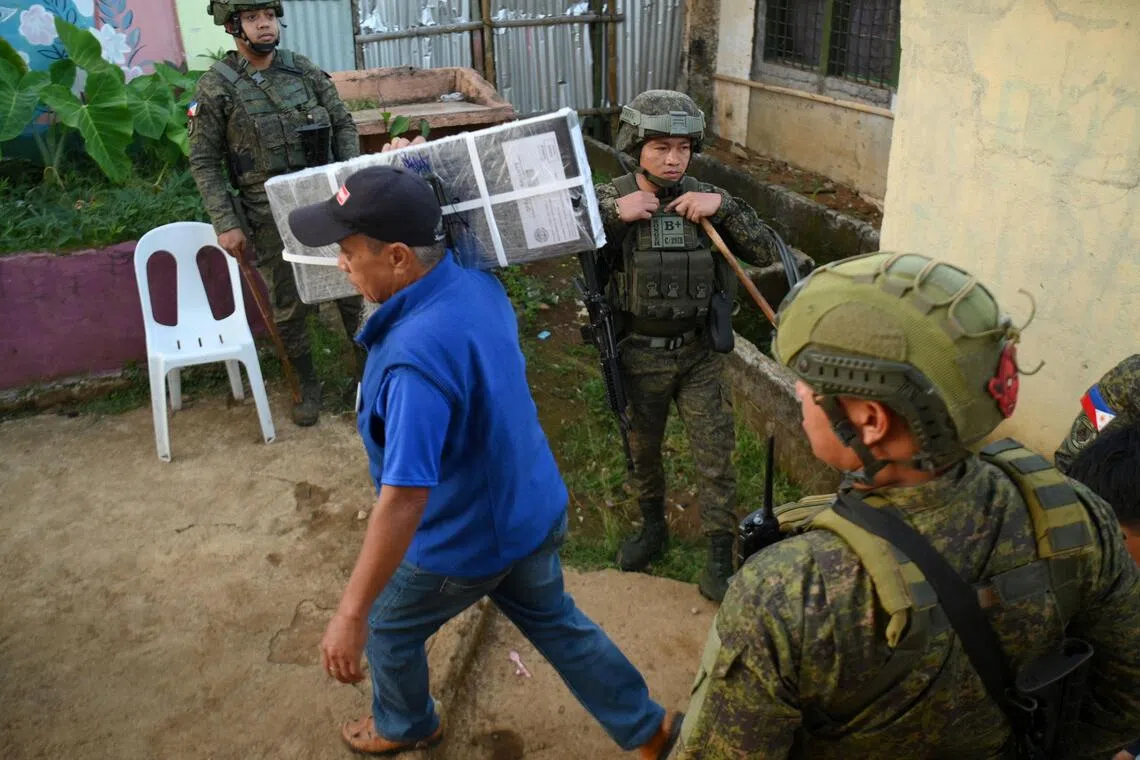
- Saturday's election is the first to deploy electronic ballot scanning and biometric fingerprint verification to curb fraud; polls close at 7pm (17:00 GMT) with first results expected later Sunday
Why it matters: With EU accession talks already delayed since 2024 over judicial and anticorruption demands, this election directly determines whether integration resumes or stalls further. If Bosniak parties favoring stronger central authority hold ground, the EU path advances; if Dodik's Russia-aligned SNSD expands influence, Republika Srpska's secessionist ambitions gain more power.
Ask SkimNews