Why is Hamilton getting so many penalties? - F1 Q&A — SkimNews
Get the Sports newsletter
Daily sports — scores, transfers, the storylines from the leagues you actually follow. Free.
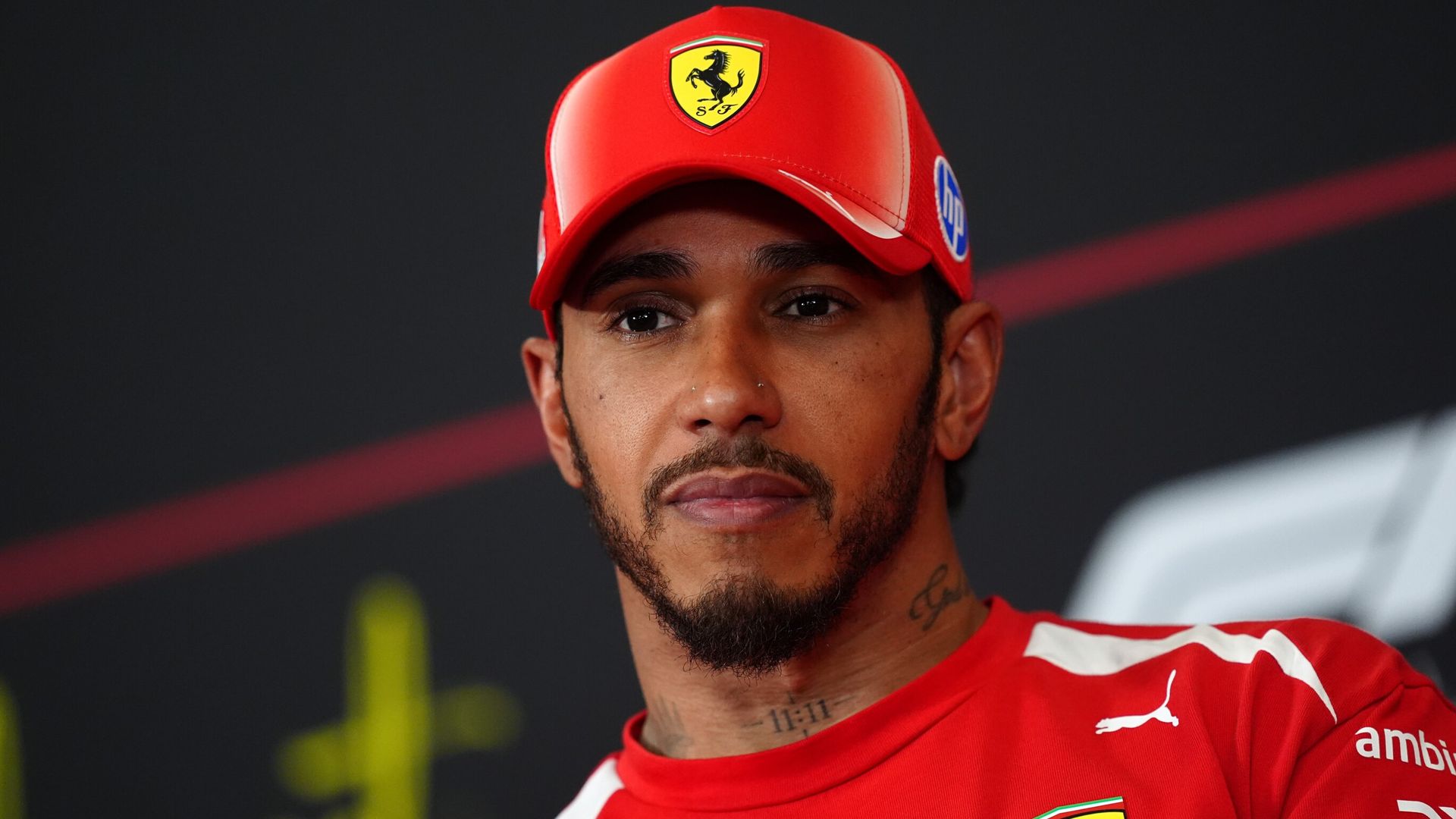
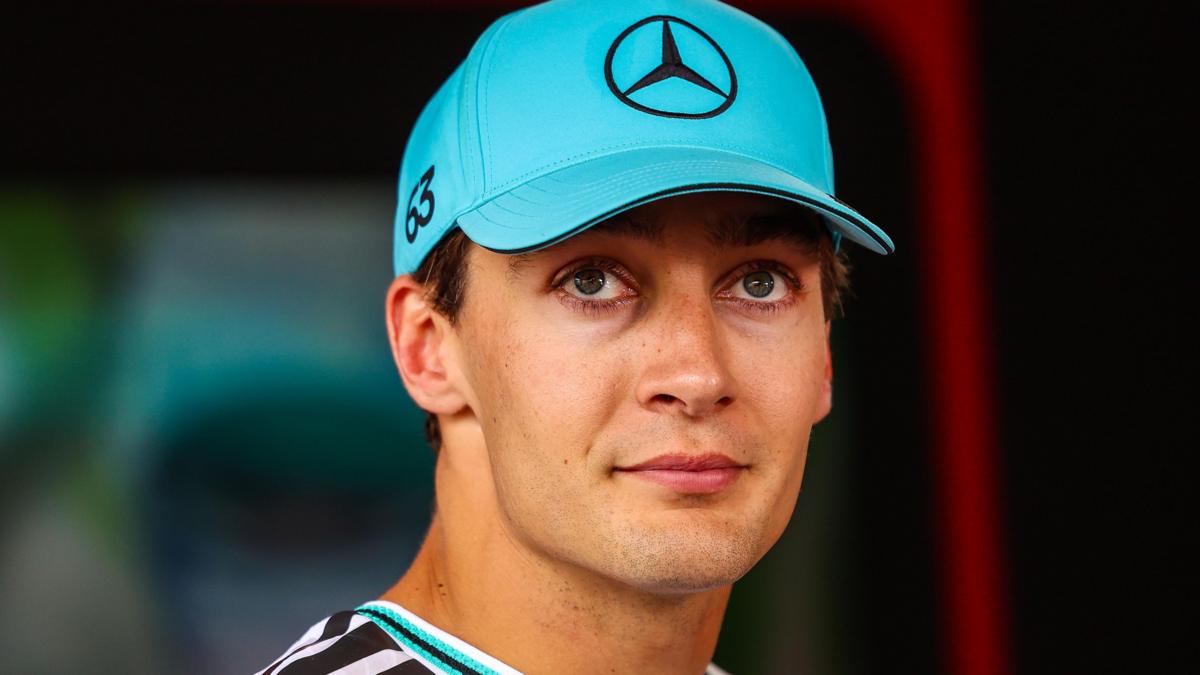
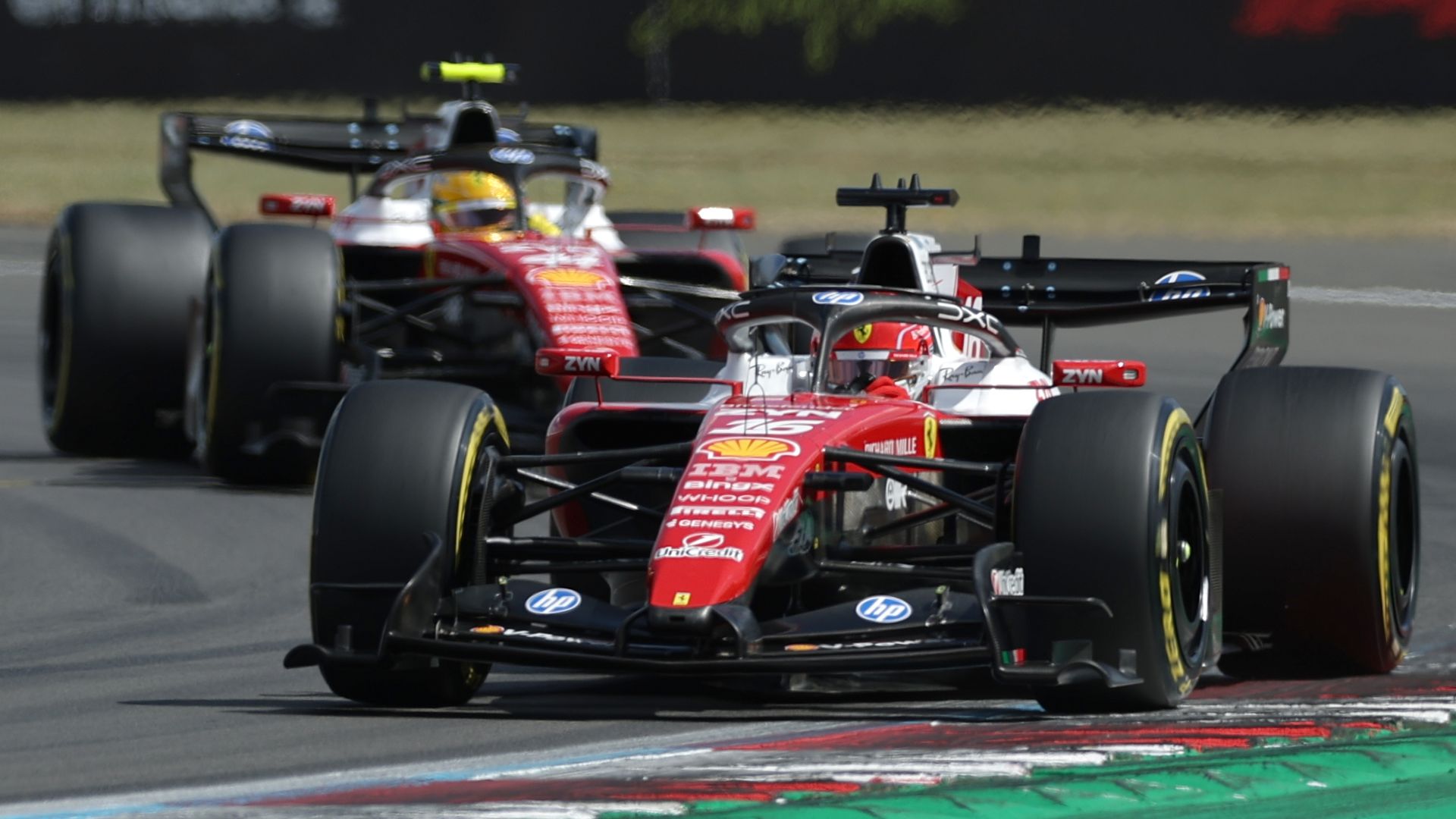
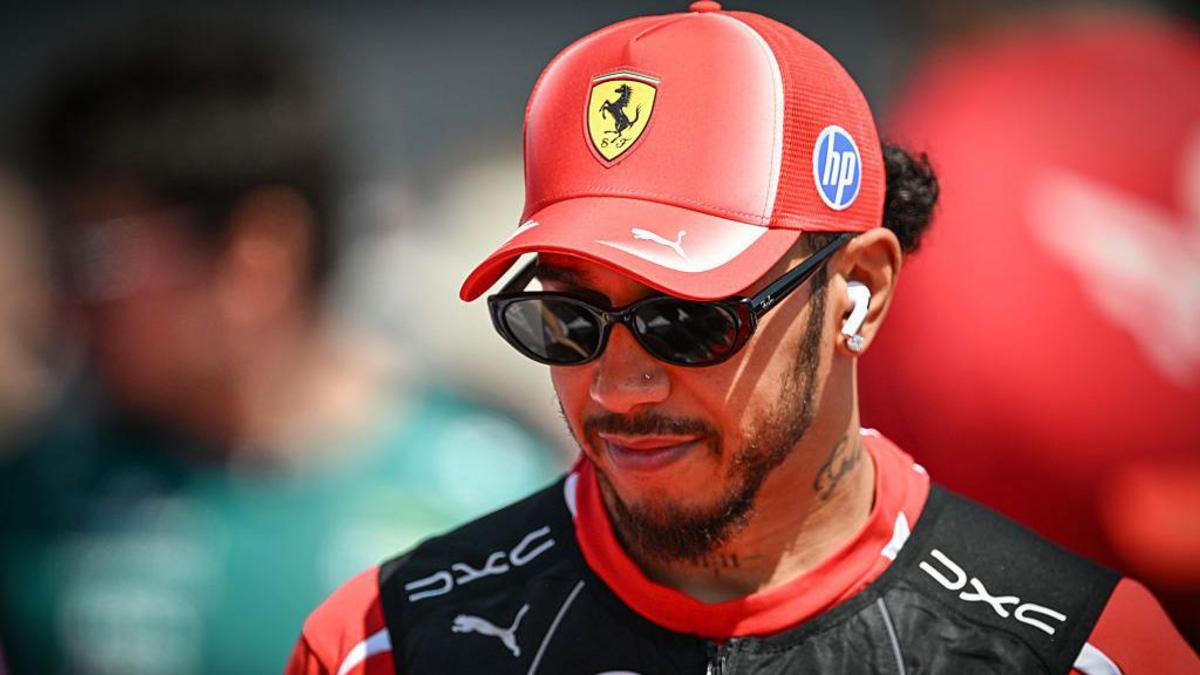
- Lewis Hamilton has collected four penalties in the past three grands prix—a Silverstone jump-start call Hamilton said drivers found 'inconsistent,' a Spa collision with George Russell, and at Hungary a three-place grid drop for impeding Oscar Piastri plus a five-second penalty for going 0.1 km/h over the pit-lane speed limit while racing Kimi Antonelli.
- Aston Martin's Hungary upgrade delivered roughly a two-second-per-lap aerodynamic and weight-saving improvement—described by BBC as 'pretty much unheard of' for a mid-season step—with Fernando Alonso reaching Q2 for the first time in 2025.
- Fernando Alonso, 45 and out of contract at year-end, is waiting to see how the new Honda power unit performs at the Dutch GP before committing to another F1 season; Aston Martin internally estimates the Honda at about 1.5 seconds per lap off the best, with hopes of narrowing a third of that gap.
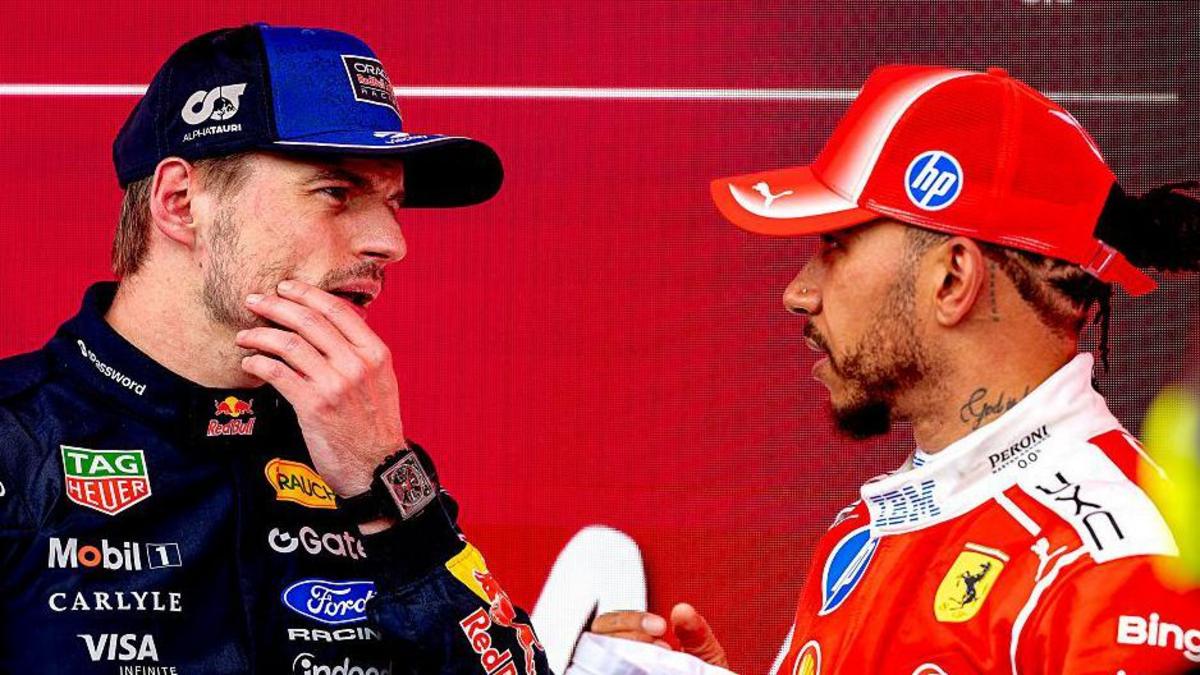
- Williams team principal James Vowles said the team's surprise 2025 decline 'stress-tested the factory and exposed weakness they did not previously know existed,' and that Carlos Sainz and Alex Albon have few viable alternatives while the driver market waits on Max Verstappen's decision.
- The FIA's blue-flag system malfunctioned in Hungary because the link between F1 timing and race control was 'dropping out and kicking back in,' erroneously flagging unlapped cars; Carlos Sainz and Oliver Bearman each received five-second penalties, and an update is being developed to handle irregular refresh rates.
Why it matters: Hamilton's penalty cluster compounds Ferrari's points loss at a critical stage of his late-career stint, while Aston Martin's ~2 sec/lap Hungary leap and the imminent Honda engine debut give Alonso concrete reasons to weigh another year—but only if Honda delivers after his prior McLaren-Honda disappointments. Williams' admission of previously unknown factory weaknesses reframes their 2026 reset as a high-risk gamble on Sainz's and Albon's patience.
Ask SkimNews