This country went 100% electric vehicles overnight with a drastic approach — SkimNews
Get the Energy newsletter
Daily energy & climate — solar, EVs, oil, the policy fights and tech bets shaping the transition. Free.
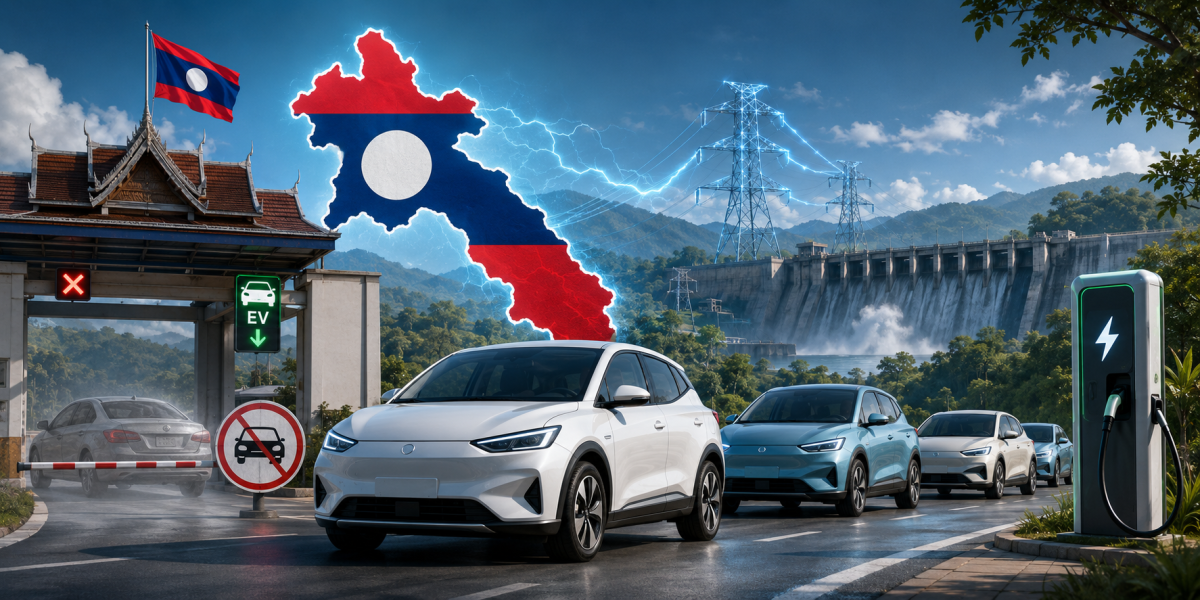
- Laos suspended imports of new gasoline and diesel passenger cars effective June 1, 2026, through year's end, with the Ministry of Industry and Commerce handling implementation — though public transport, construction machinery, project trucks, and other specialized vehicles remain exempt
- The Lao government paired the ban with sweeteners: EVs priced under $50,000 receive a full excise tax exemption, registration fees were cut, and transport companies must run at least 10% electric fleets by end of 2026
- In April, Laos signed an agreement with 27 public and private partners to build charging stations, battery-swapping facilities, a central digital platform, and financing products, targeting 30% of vehicles electric by 2030
- Chinese automakers are filling the void left by banned combustion imports, with Chinese EV exports to ASEAN hitting $1.2 billion in a single month and Laos posting record volumes alongside Cambodia
- VinFast, through its Xanh SM taxi platform, already has a foothold in the Lao market alongside Chinese EV brands
- Laos's motivation is energy economics, not climate: the country runs almost entirely on hydropower but imports every drop of fuel for its cars, paid in foreign currency it chronically lacks
- Cambodia scrapped customs duties on EVs earlier this year, reflecting a wider Southeast Asian shift toward treating electrification as energy security rather than a green talking point
Why it matters: Laos's ban effectively hands the passenger-EV market to Chinese automakers and Vietnam's VinFast, since no domestic auto industry competes for the redirected demand. The fuel-import math drives the policy: gas cars drain scarce foreign currency reserves, while EVs run on cheap domestic hydropower. The exemption list — trucks, construction equipment, public transport — is an admission that electrification only works where affordable replacements already exist.
Ask SkimNews