Pope Leo XIV and Trump Clash Over Iran War — SkimNews

Get the Geopolitics newsletter
Daily geopolitics — wars, elections, sanctions, the diplomatic moves that move markets. Free.
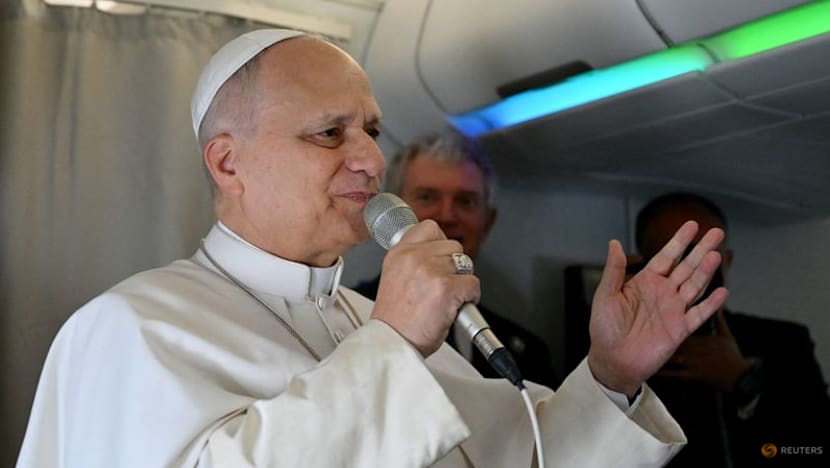
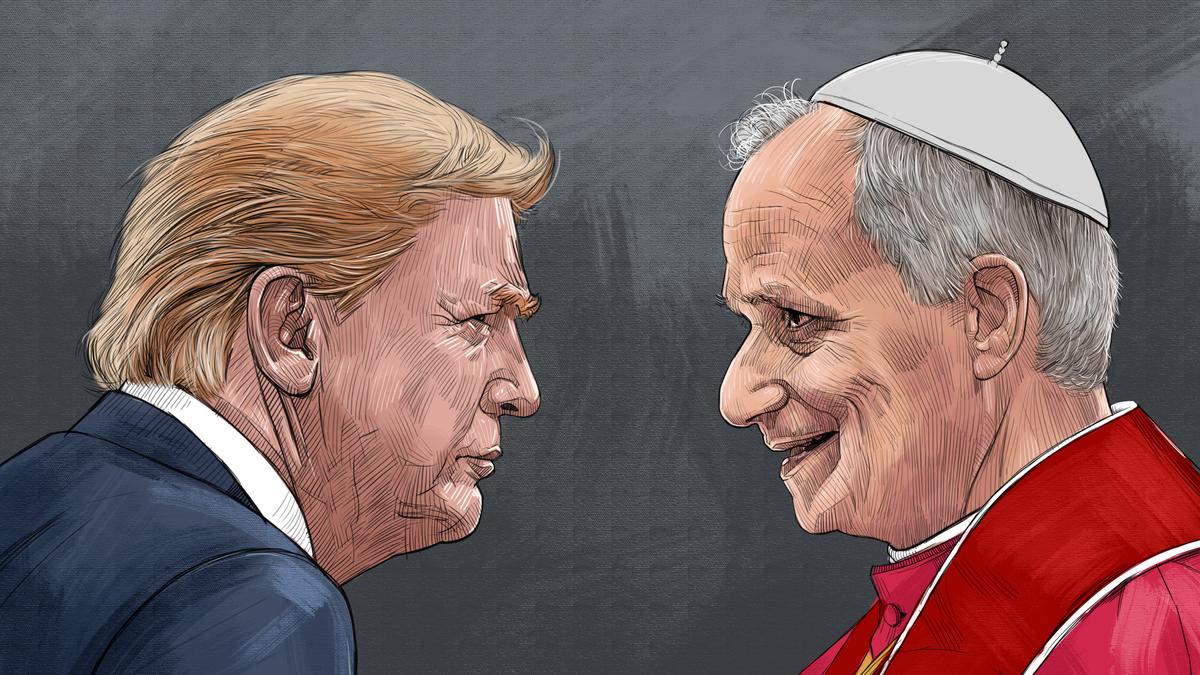
- Pope Leo XIV declared Trump's Iran belligerence "truly unacceptable" and later named Trump directly, urging him to seek "an off-ramp" — an unprecedented direct papal rebuke of a sitting U.S. president over a war
- Trump escalated with a social media post warning that "an entire civilization will die tonight" through mass strikes on Iranian power plants and infrastructure, drawing Leo's sharpest condemnation of a "threat against the entire people of Iran"
- Leo invoked Isaiah in his Palm Sunday message, declaring God "does not listen to the prayers of those who wage war, but rejects them," directly countering evangelical backers of the war including Defense Secretary Pete Hegseth, who urged prayer for victory "in the name of Jesus Christ," and Rev. Franklin Graham, who said God "raised [Trump] up for such a time as this"
- The two men are a 79-year-old Queens politician and a 70-year-old Chicago-born pontiff — both white American boomers shaped by the Civil Rights era and Vietnam — yet hold "jarringly distinct" values, Fordham theology professor Natalia Imperatori-Lee told PBS
- A Free Press report claimed a Trump administration official warned Vatican officials in January not to "stand in the way of U.S. military might"; both the Vatican and the U.S. Embassy to the Holy See publicly rejected that characterization, with the embassy calling it "deliberate misrepresentation"
- Catholic Theological Union professor Steven Millies argued that "partisan preferences always trump the religious commitments" among U.S. Catholics, naming Vice President JD Vance — a Catholic convert — the current "icon of Catholicism in American politics"
Why it matters: This confrontation is historically novel: it marks the first time an American pope has directly named a sitting U.S. president in condemnation of a war, and Leo's invocation of Isaiah — a 2,500-year-old prophetic tradition rejecting warmakers' prayers — gives the antiwar position moral weight rooted in church teaching. But experts quoted warn the clash may deepen a split between official doctrine and U.S. Catholic voters' partisan loyalties, where, as one professor put it, "partisan preferences always trump the religious commitments."
Ask SkimNews