9 nations join Ukraine's Freyja anti-ballistic coalition — SkimNews
Get the Geopolitics newsletter
Daily geopolitics — wars, elections, sanctions, the diplomatic moves that move markets. Free.
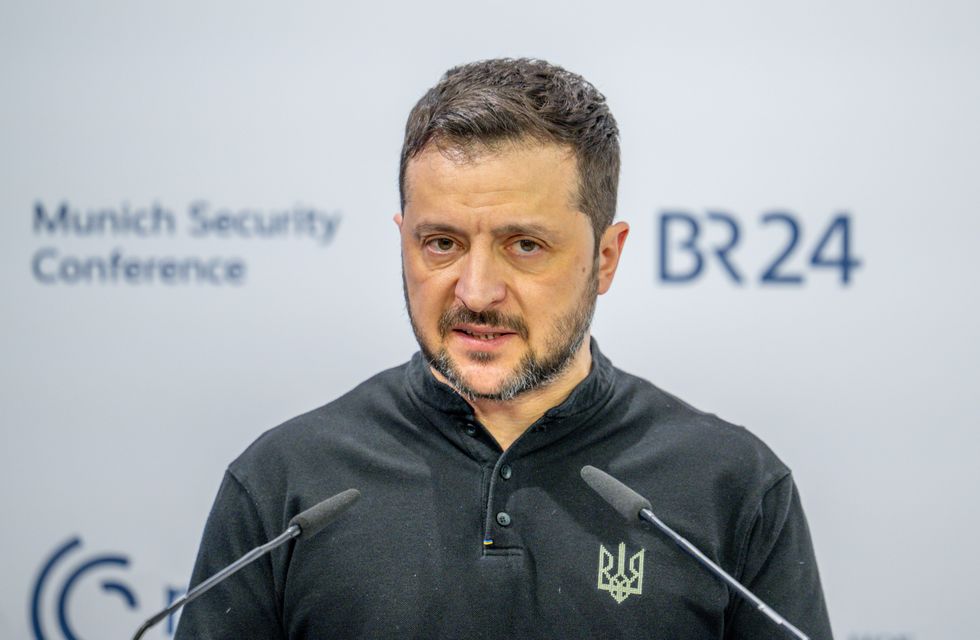
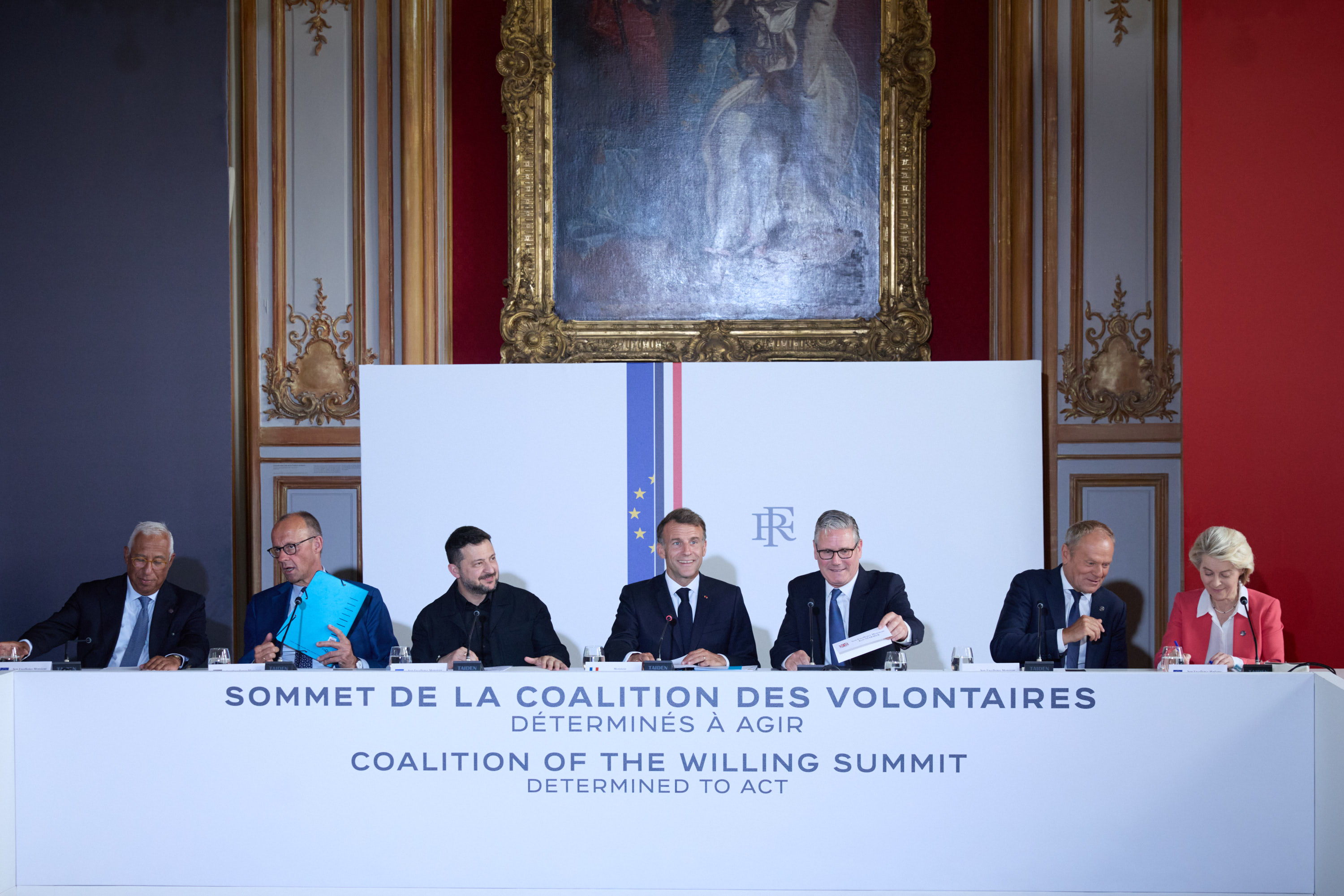
- Zelenskyy announced in Paris that Denmark, France, Germany, Italy, the Netherlands, Norway, Spain, Sweden, and the United Kingdom joined Ukraine's Freyja coalition, with a target of operational capability within 12 months.
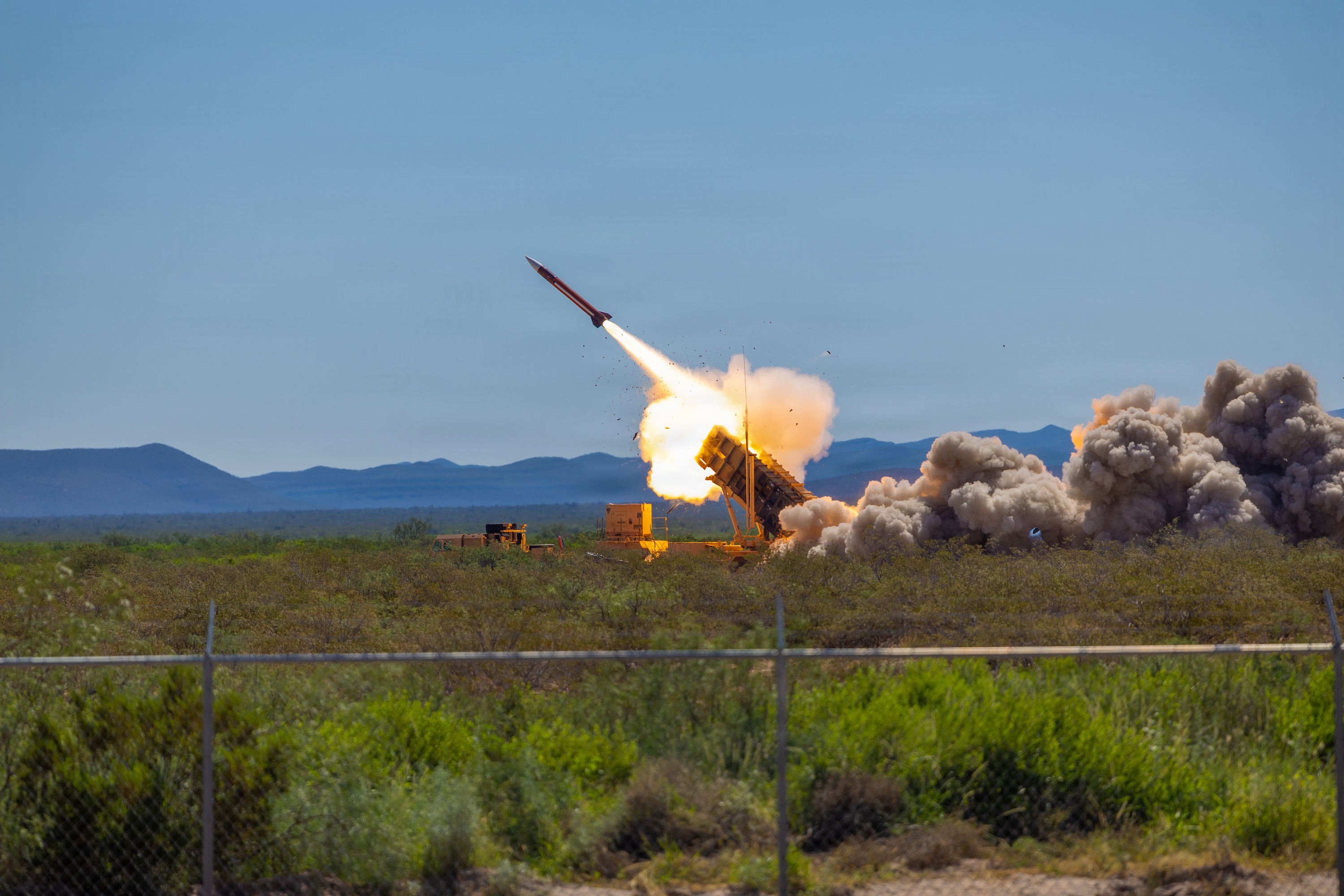
- Ukraine will supply the interceptor, built around Fire Point's FP-7.X (designed to hit ballistic targets at roughly 15 miles altitude), while coalition partners contribute radar, tracking, and command-and-control systems.
- A global shortfall in anti-ballistic interceptors persists despite increased Patriot output and expanded European production of SAMP/T, IRIS-T, and NASAMS, according to the coalition's joint statement.
- Zelenskyy set a 12-month target for Freyja to be flying — roughly half the 24 months it currently takes to build a Patriot interceptor.
- The meeting drew NATO Secretary General Mark Rutte, European Commission President Ursula von der Leyen, European Council President António Costa, and representatives from 12 European defense firms including HENSOLDT, Kongsberg, Leonardo, MBDA, Saab, and Thales.
- The coalition follows Trump's pledge at last week's NATO summit to let Ukraine build its own Patriot interceptors, with Russia cited as the source of ballistic missiles now striking Ukrainian cities and frontlines.
Why it matters: Europe gains a faster, cheaper path to ballistic missile defense — Freyja is targeted at 12 months versus the 24 months required for Patriots — while tapping Ukraine's battlefield-tested expertise. For Kyiv, the coalition eases total dependence on allies for defending against Russian ballistic missiles that current air defenses cannot intercept.
Ask SkimNews