Antibody Patterns Detect IBD a Decade Before Diagnosis — SkimNews

Get the Health newsletter
Daily health & science — research, biotech, public health, the studies worth knowing. Free.
- Dr. Arno Bourgonje and colleagues at Mount Sinai and the Medical University of Vienna found that antibody patterns in blood could predict inflammatory bowel disease up to a decade before diagnosis, before the gut has sustained damage.
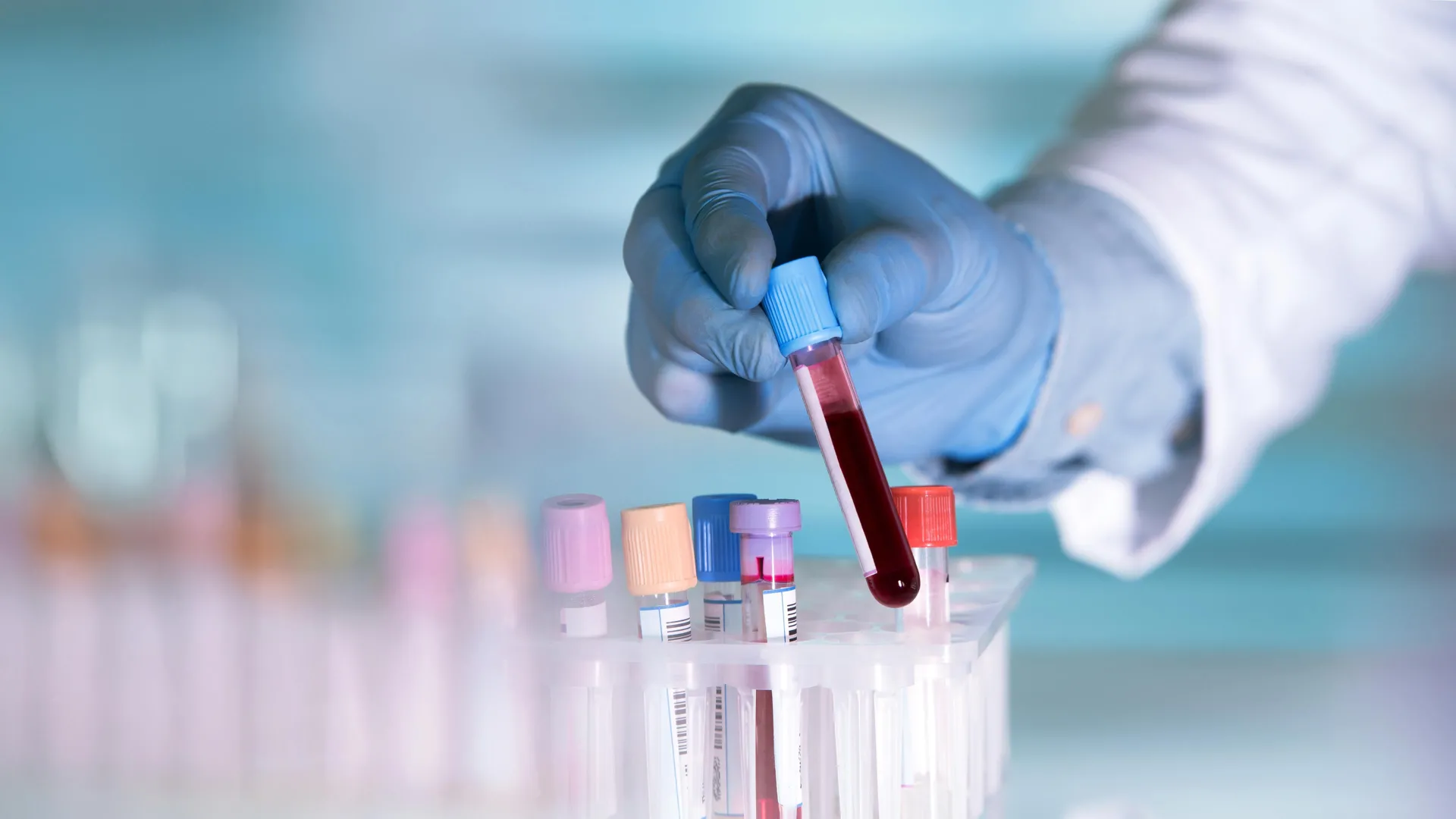
- The study analyzed 2,000 blood samples from 500 US military personnel — 200 who later developed Crohn's disease, 200 ulcerative colitis, and 100 who developed neither — screening for antibodies against hundreds of thousands of protein fragments from bacteria, viruses, food and the body's own tissues.
- Crohn's disease patients showed elevated antibodies against Epstein-Barr virus, the cause of glandular fever, with the signal strongest in those who later developed severe complications such as bowel narrowing or abnormal channels.
- Ulcerative colitis patients showed a distinct antibody pattern, including antibodies targeting one of the body's own proteins.
- The findings were published in the journal Gut and presented at the United European Gastroenterology meeting in Barcelona; the researchers hope IBD could one day follow a type 1 diabetes model, where blood tests identify at-risk people before symptoms appear.
- James Lindsay, a professor of gastroenterology at Barts Health who was not involved in the study, called the work "important insights" but cautioned the techniques remain "very much a research tool" not yet ready for the clinic.
- Marianne Radcliffe, CEO of Crohn's & Colitis UK, said each new insight helps build understanding of changes that may occur years before symptoms appear.
Why it matters: At least 3.8 million people worldwide live with IBD, and current treatment begins only after symptoms cause gut damage that many existing drugs fail to repair. Identifying at-risk individuals a decade before diagnosis could shift care toward prevention, though independent validation in non-military populations is still required before any clinical test emerges.
Ask SkimNews