Microsoft’s new AI chip makes it less reliant on Nvidia’s GPUs — SkimNews

Get the Tech newsletter
Daily tech — startups, AI labs, chips, the launches that shape the next decade. Free.
- Microsoft announced its third-generation Maia 300 AI chip, designed to become the "primary AI inference system" for its products and services, with production rollout beginning in 2027
- Maia 300 delivers 40% more tokens per megawatt than leading GPU-based systems and up to 7x the rack-scale token throughput of its predecessor, Maia 200, per Microsoft EVP Scott Guthrie
- Microsoft plans to scale Maia to multi-gigawatt deployments starting in 2027, allowing the company to rely mainly on in-house chips instead of Nvidia and AMD
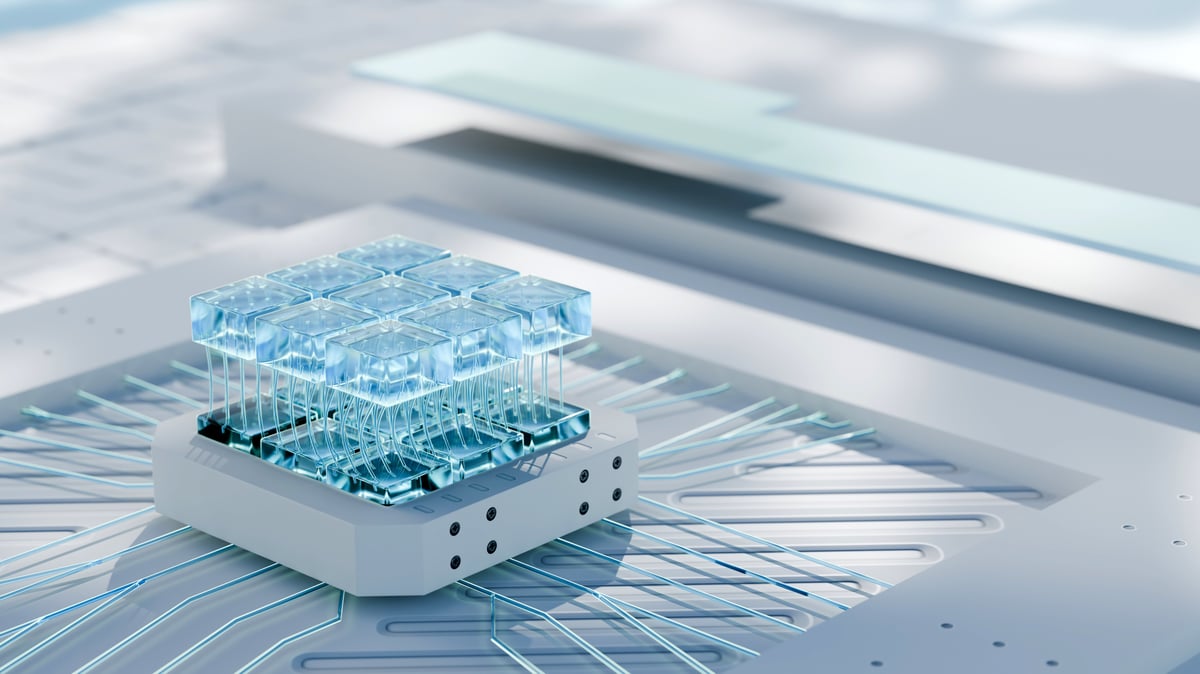
- Maia 300 uses a chiplet architecture on TSMC's N2P process node, separating compute, memory controller, and I/O functions to dedicate more silicon area to compute
- Maia 200 — announced only in January — already runs production workloads across Microsoft Copilot, GitHub Copilot, Microsoft Foundry, and Microsoft's own AI models
- Microsoft AI CEO Mustafa Suleyman framed the in-house silicon as essential to closing the gap with Google DeepMind, OpenAI, and Anthropic: "we need a platform that we own, and that we co-design with our models"
Why it matters: Microsoft is committing to full-stack silicon ownership with multi-gigawatt Maia deployments starting in 2027 and a stated 40% efficiency edge over GPU-based systems. Per Microsoft AI CEO Mustafa Suleyman, custom silicon is foundational to competing with Google DeepMind, OpenAI, and Anthropic on reasoning and agentic workloads.
Ask SkimNews