US, South Korea Hold Nuclear Deterrence Talks in Seoul — SkimNews
Get the Geopolitics newsletter
Daily geopolitics — wars, elections, sanctions, the diplomatic moves that move markets. Free.
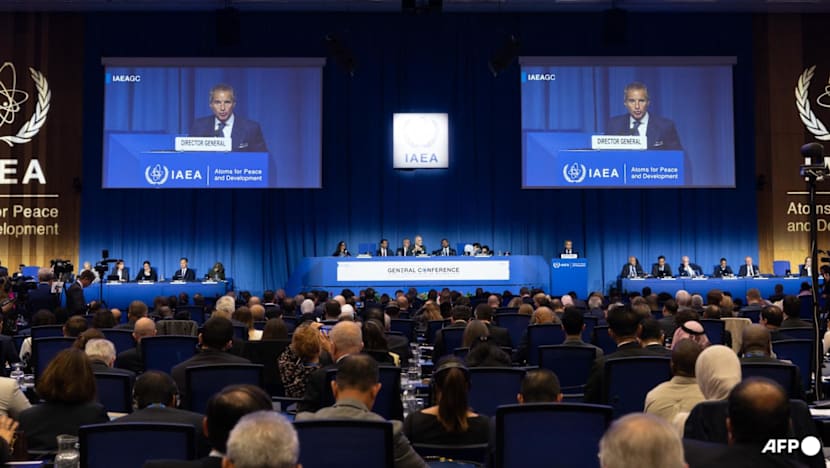
- US and South Korean officials convened the sixth Nuclear Consultative Group meeting in Seoul on June 11, co-chaired by Seoul's defence policy chief Kim Hong-cheol and US senior defence official Robert Soofer, to review progress on information sharing, crisis procedures, joint drills, and messaging.
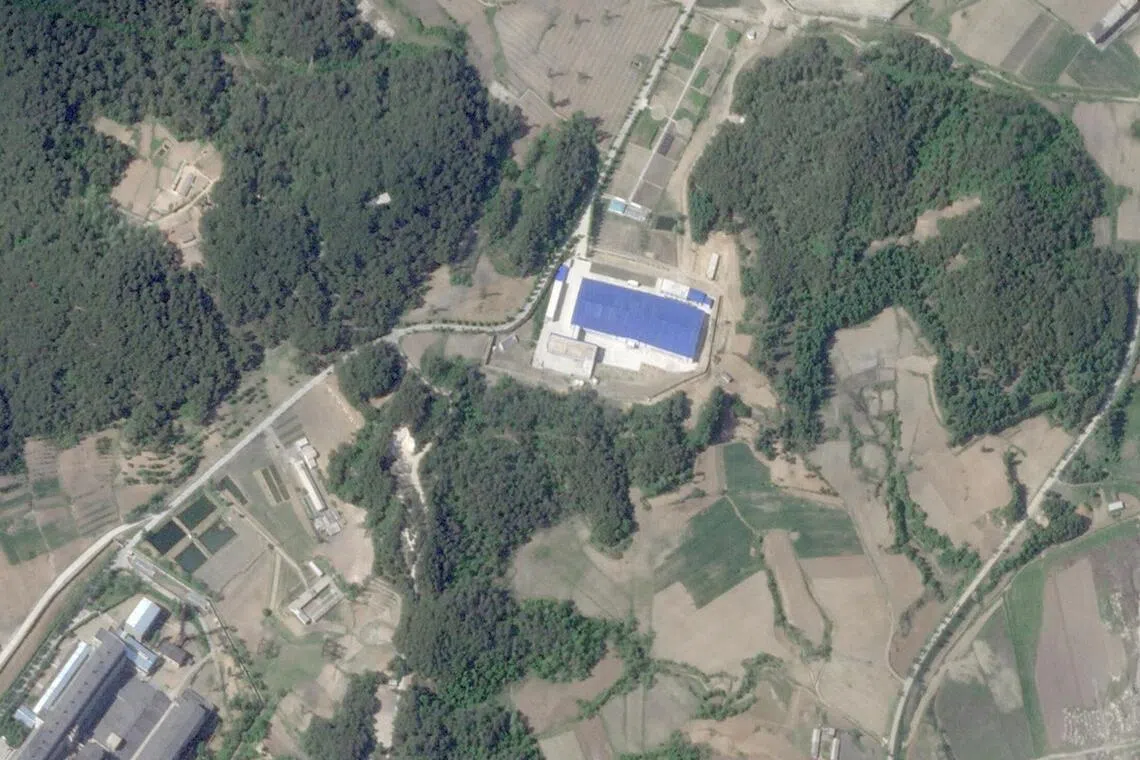
- North Korea's uranium-enrichment capacity could rise by about 75% once the new Yongbyon facility reaches full production, according to a Wall Street Journal report citing analysis by the London-based arms-control nonprofit VERTIC.
- The Yongbyon facility is estimated to contain more than 9,000 centrifuges capable of producing about 160kg of highly enriched uranium a year, on top of the country's previous estimated annual capacity of roughly 215kg.
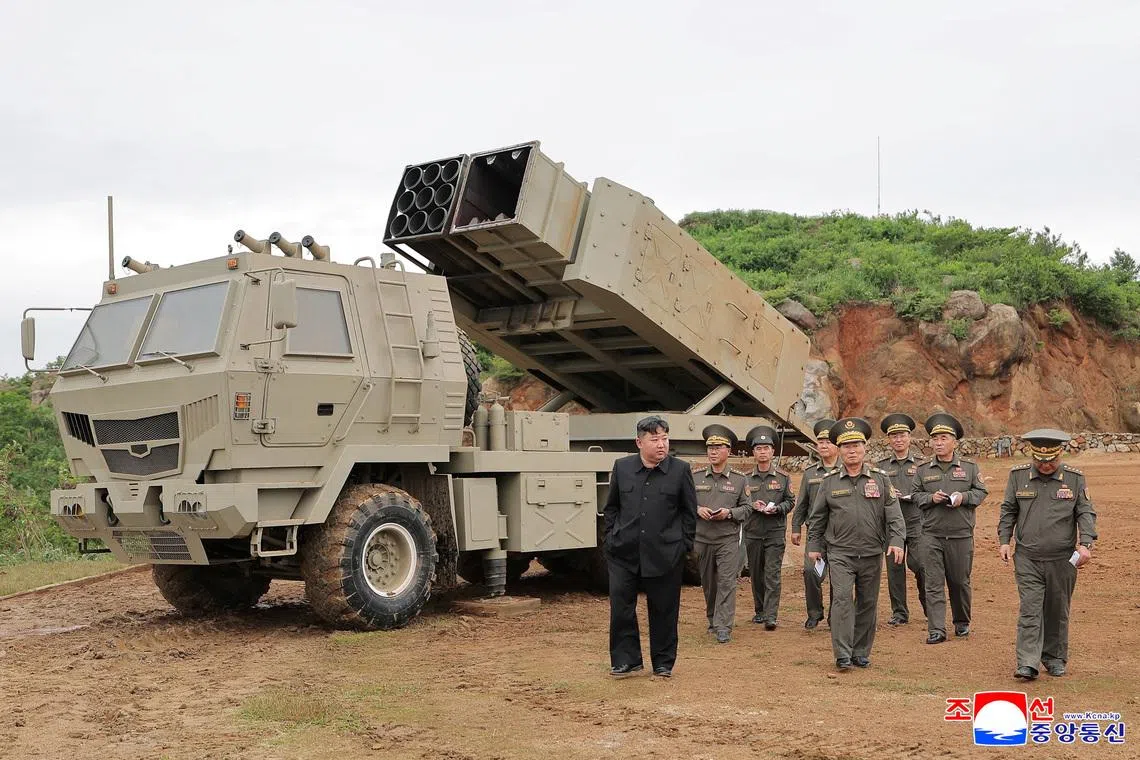
- Kim Jong Un inspected a newly launched nuclear-material production facility in early June and called for an "exponential" expansion of North Korea's nuclear forces, with state media releasing images on June 4 of his review of expansion plans.
- Korea Institute for National Unification senior researcher Hong Min warned that North Korea's weapons-grade material output and warhead mass-production ability could be higher than previously thought if enrichment sites at Kangson, Yongbyon, and a possible Kusong facility become fully operational.
- Chinese President Xi Jinping visited Pyongyang on June 8–9, his first trip in seven years; Chinese and North Korean readouts emphasised stronger political, economic, and cultural cooperation but made no mention of denuclearisation.
- The NCG was launched after the 2023 Washington Declaration, a US–South Korea pact that gave Seoul more insight into US nuclear planning for any conflict with North Korea, and the talks come as Seoul pursues a transfer of wartime operational control from Washington.
Why it matters: The new Yongbyon facility alone could add ~160kg of highly enriched uranium annually to North Korea's stockpile, and analyst Hong Min warns warhead mass-production capacity may already exceed prior estimates. The talks also coincide with Seoul's pursuit of wartime operational control from Washington, complicating how the two allies would coordinate nuclear planning in a conflict.
Ask SkimNews