Olivia Miles Leads 2026 WNBA Rookie Top 10 Rankings — SkimNews
Get the Sports newsletter
Daily sports — scores, transfers, the storylines from the leagues you actually follow. Free.
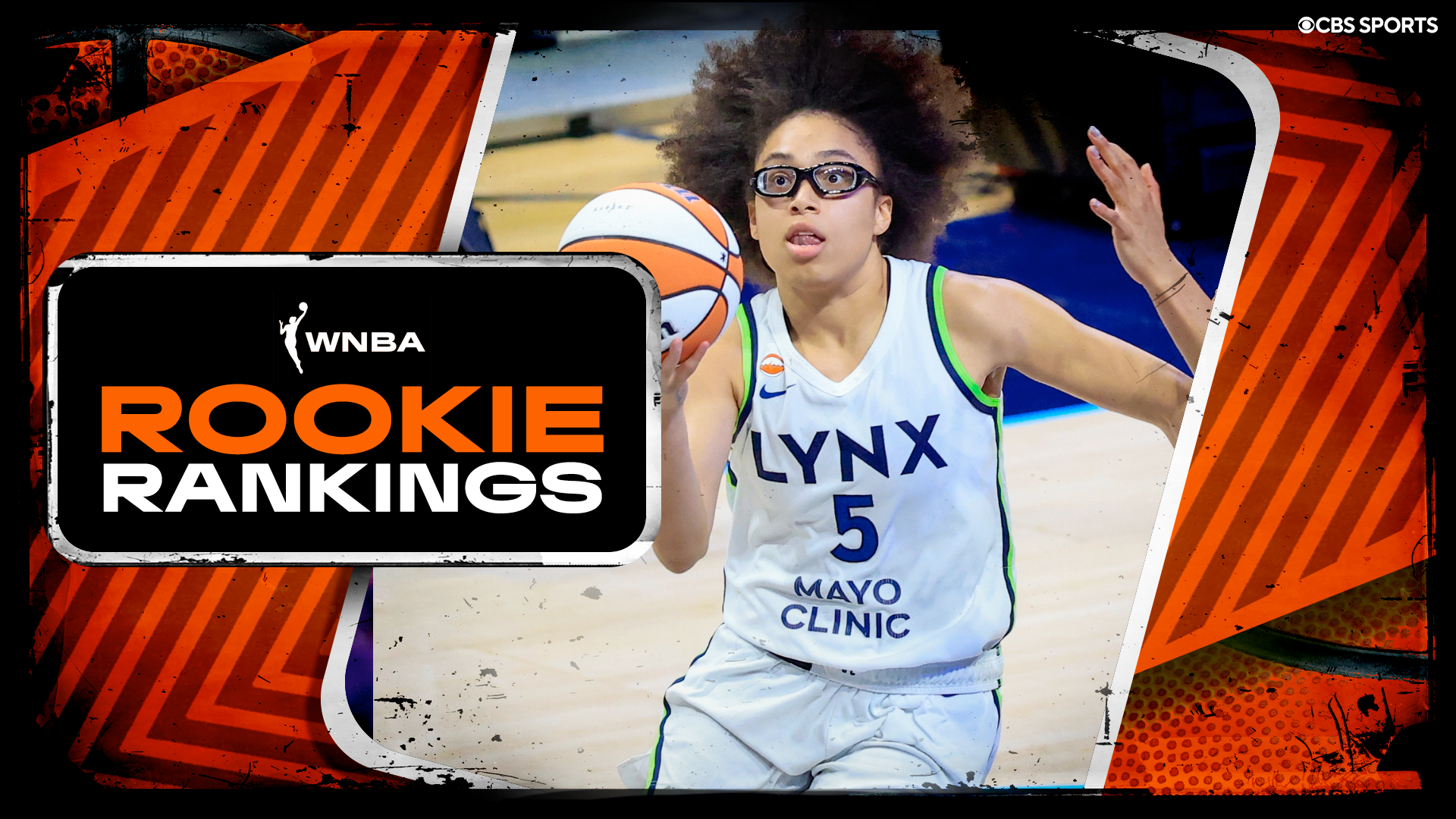
- Olivia Miles became the fastest player in WNBA history to reach 350 points, 100 rebounds and 100 assists, helping the Minnesota Lynx earn the No. 1 playoff seed while anchoring the point-guard role during Napheesa Collier's recovery.
- Azzi Fudd, the No. 1 overall pick, earned the No. 2 spot despite her rookie year ending early due to a knee injury; she became the first rookie ever to win the WNBA 3-point contest at All-Star Weekend and averaged 13.1 points per game.
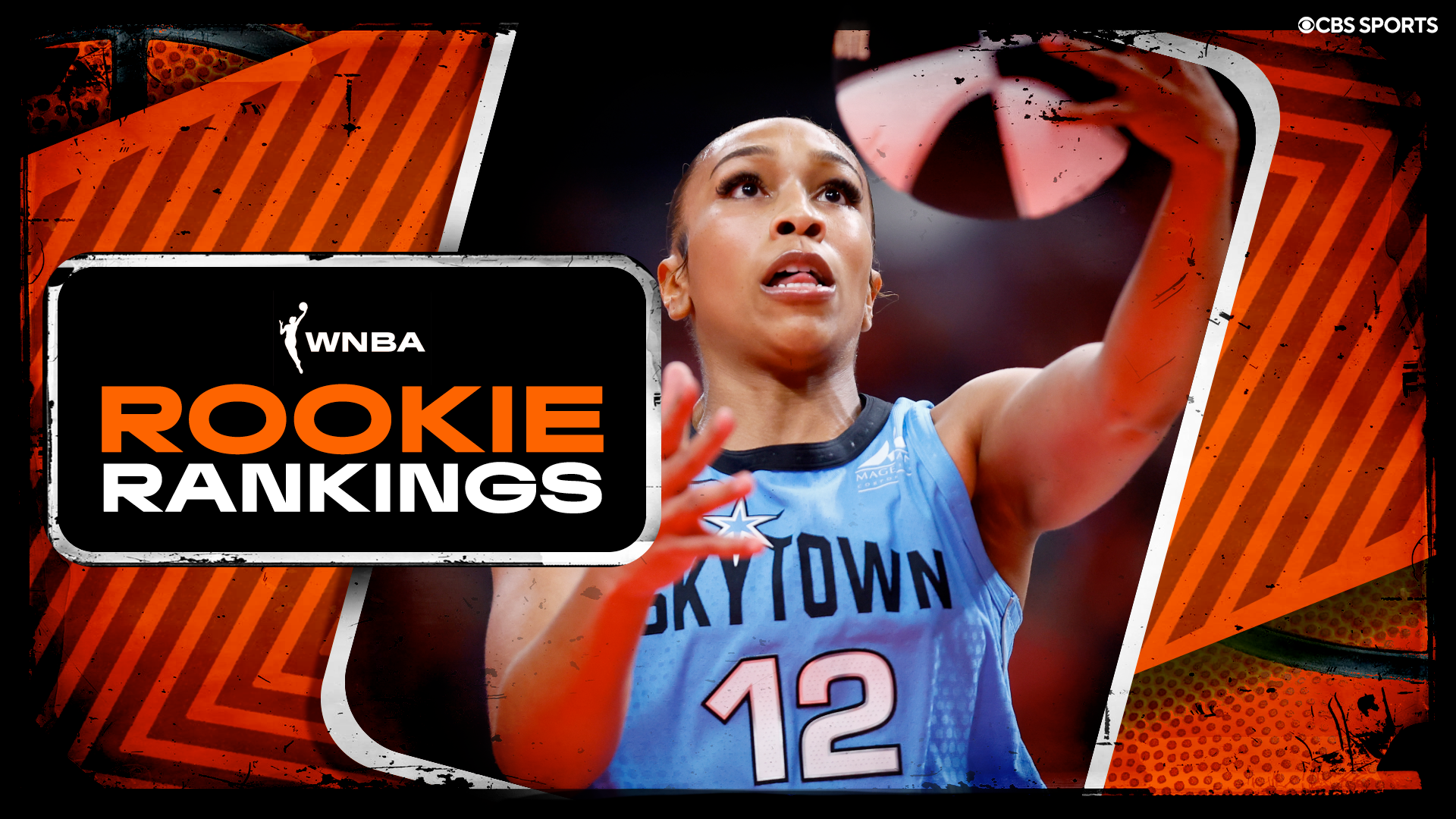
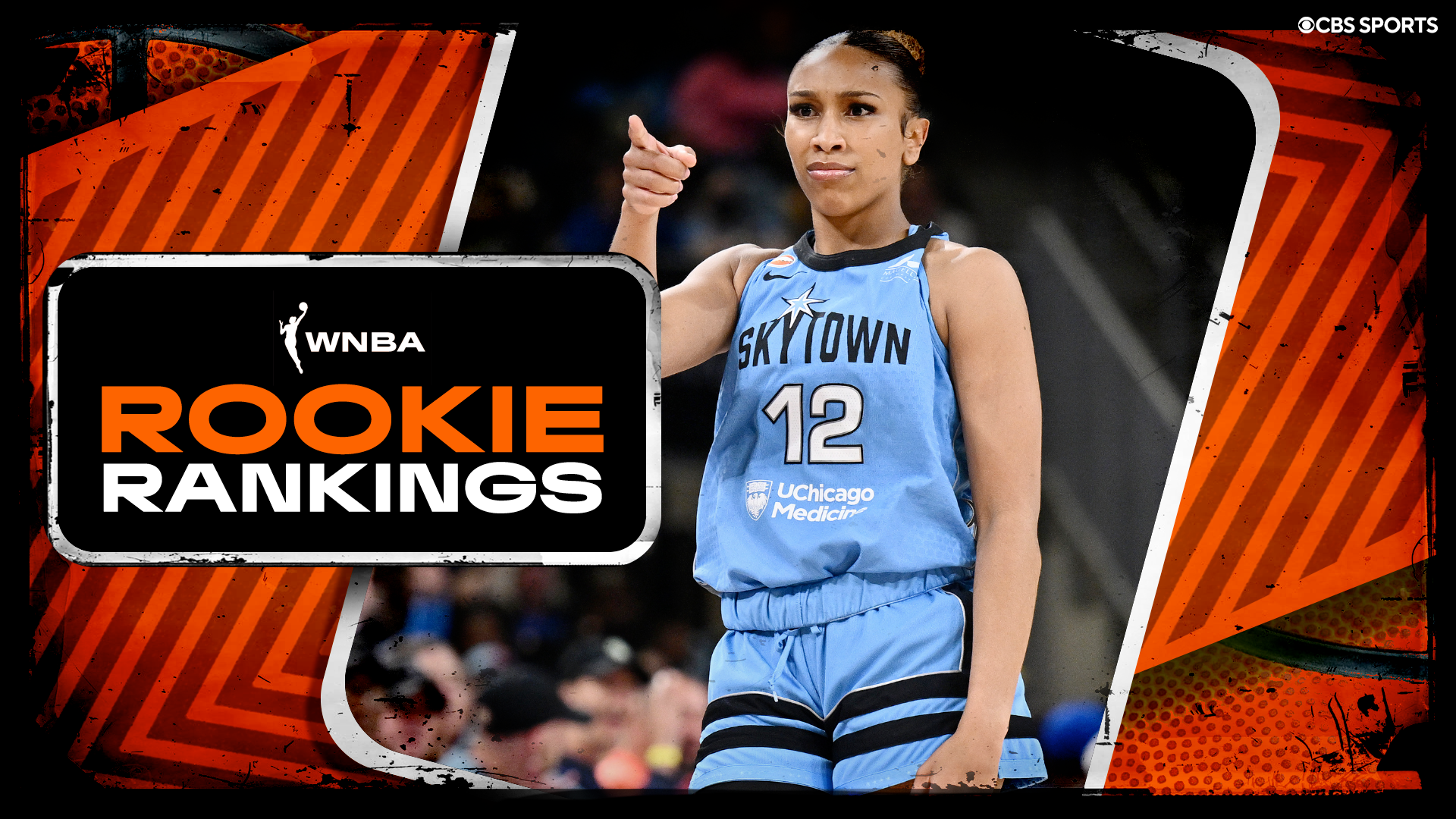
- Sydney Taylor, an undrafted Chicago Sky rookie, averaged a record 13.6 points per game for an undrafted player and became the first rookie in WNBA history with multiple game-winning shots in the final five seconds.
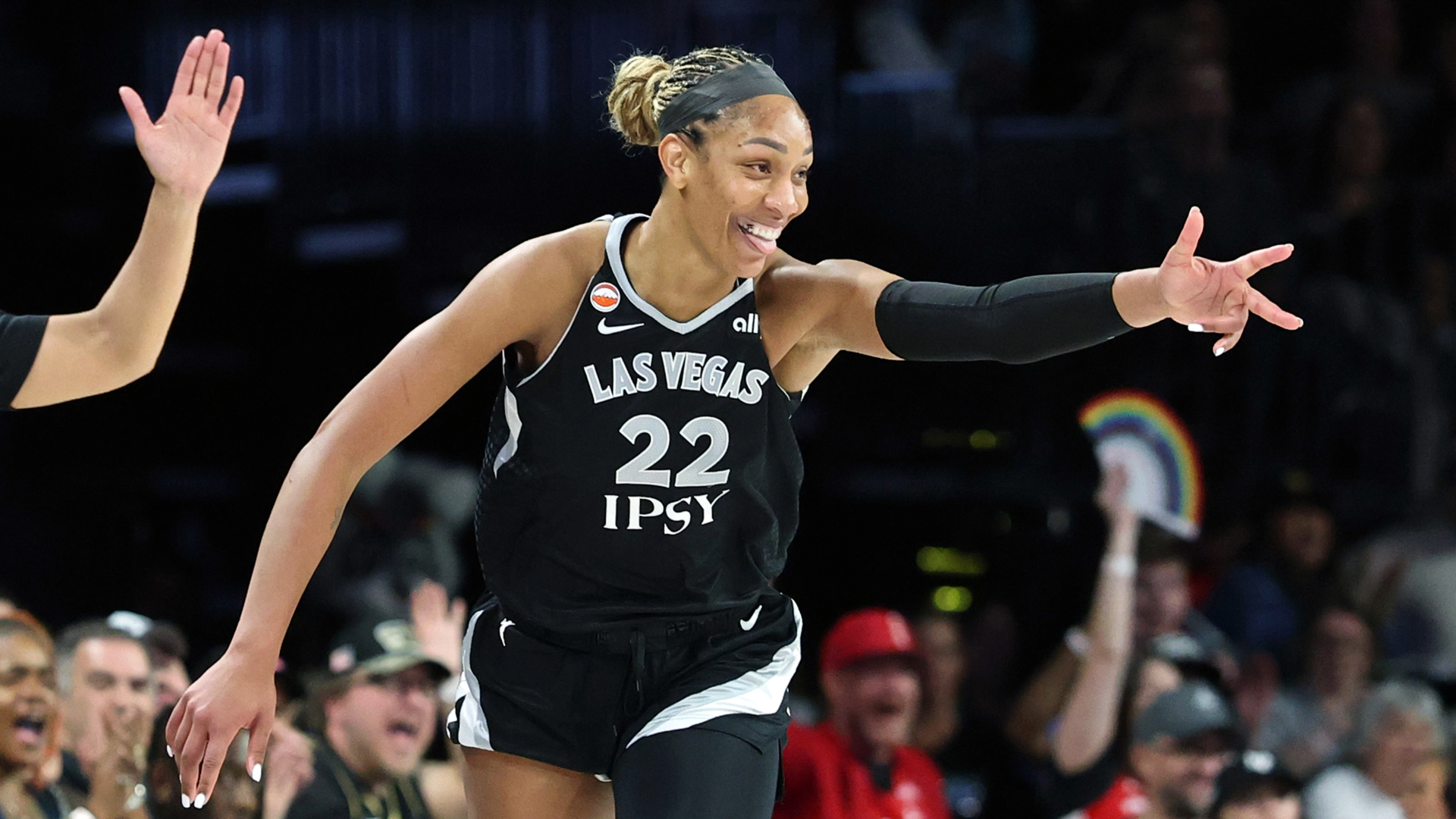
- Flau'jae Johnson averaged 14.9 points per game (second-best among rookies) and scored a career-high 29 points against Las Vegas, a performance that included six rebounds, six assists, four steals and a block on A'ja Wilson she immediately apologized for.
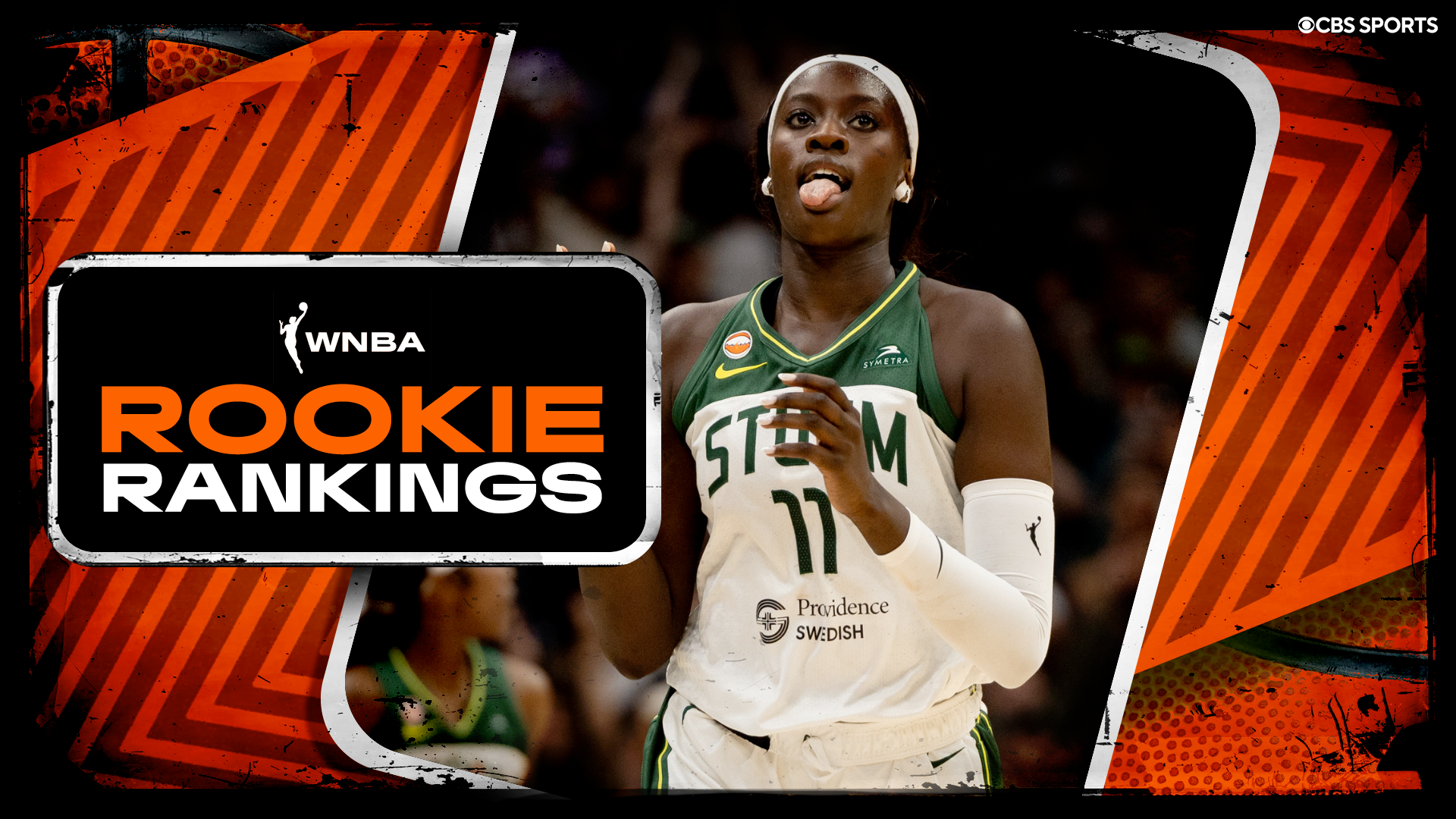
- Awa Fam, drafted at age 19, led all rookies with 5.9 rebounds per game and closed her rookie year with a career-high 22 points on 4-of-7 shooting from beyond the arc.
- Kiki Rice averaged 13.4 points per game despite missing 16 games to injury; Toronto coach Sandy Brondello called her a "franchise player" after she scored a career-high 28 points in the season finale.
- Laura Juškaitė, a 29-year-old Lithuanian who spent more than a decade in European leagues, notched four 20-plus-point games including a career-high 28 points against the Liberty while going 10-of-15 from the floor and 8-of-8 from the line.
Why it matters: A league historically dominated by lottery picks saw three of its top 10 rookies — Sydney Taylor, Pauline Astier and Charlisse Leger-Walker — arrive undrafted or via non-lottery routes, while Miles (No. 1 seed) and Rice set the foundation for two franchises (Minnesota, Toronto) built around their rookie point guards. The class depth matters for the league's competitive balance: every team in the top 10 received meaningful production, with multiple first-year players logging 1,000-plus minutes.
Ask SkimNews