Protests Target India's Chief Election Commissioner — SkimNews

Get the Geopolitics newsletter
Daily geopolitics — wars, elections, sanctions, the diplomatic moves that move markets. Free.
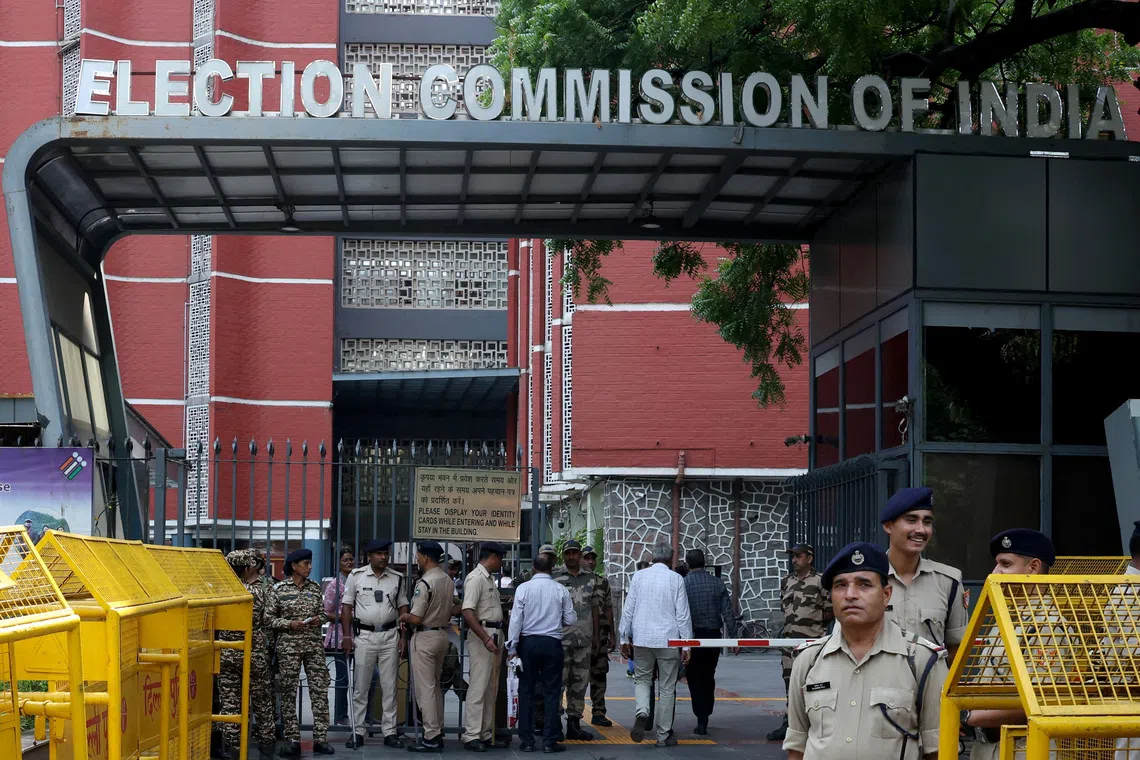
- The Indian Express investigation reported that Election Commission members Sukhbir Singh Sandhu and Vivek Joshi raised concerns with Gyanesh Kumar 14 times in 10 months, with some decisions taken without their knowledge — a revelation the commission countered by saying final decisions were unanimous.
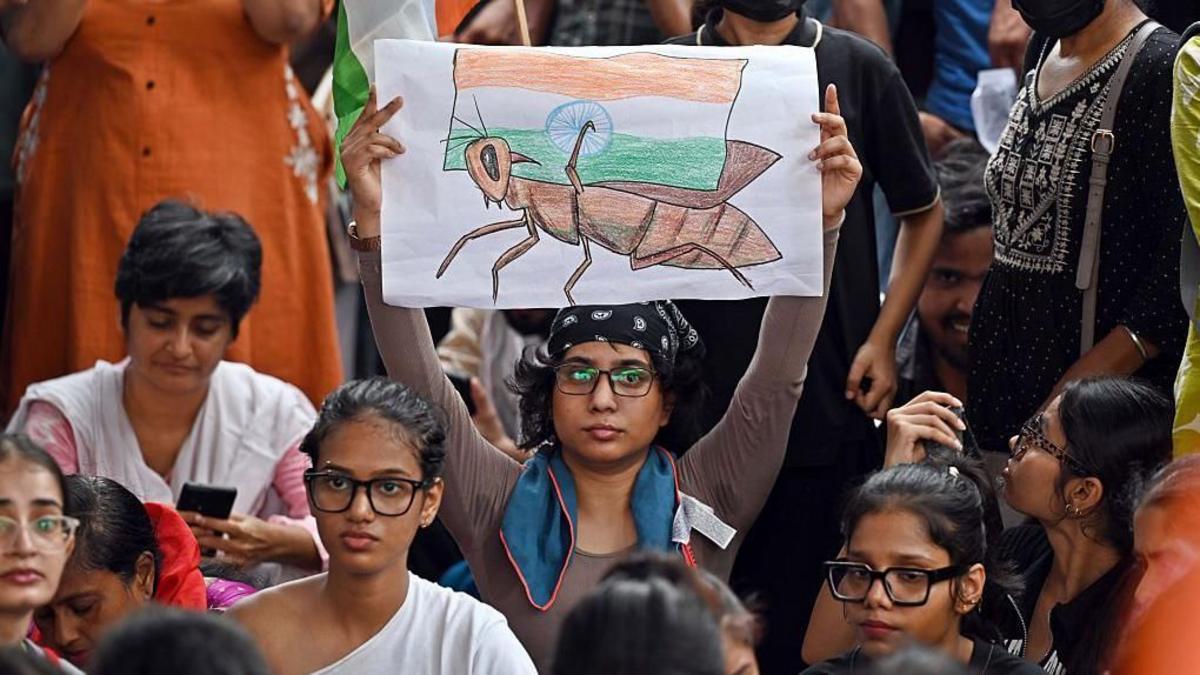
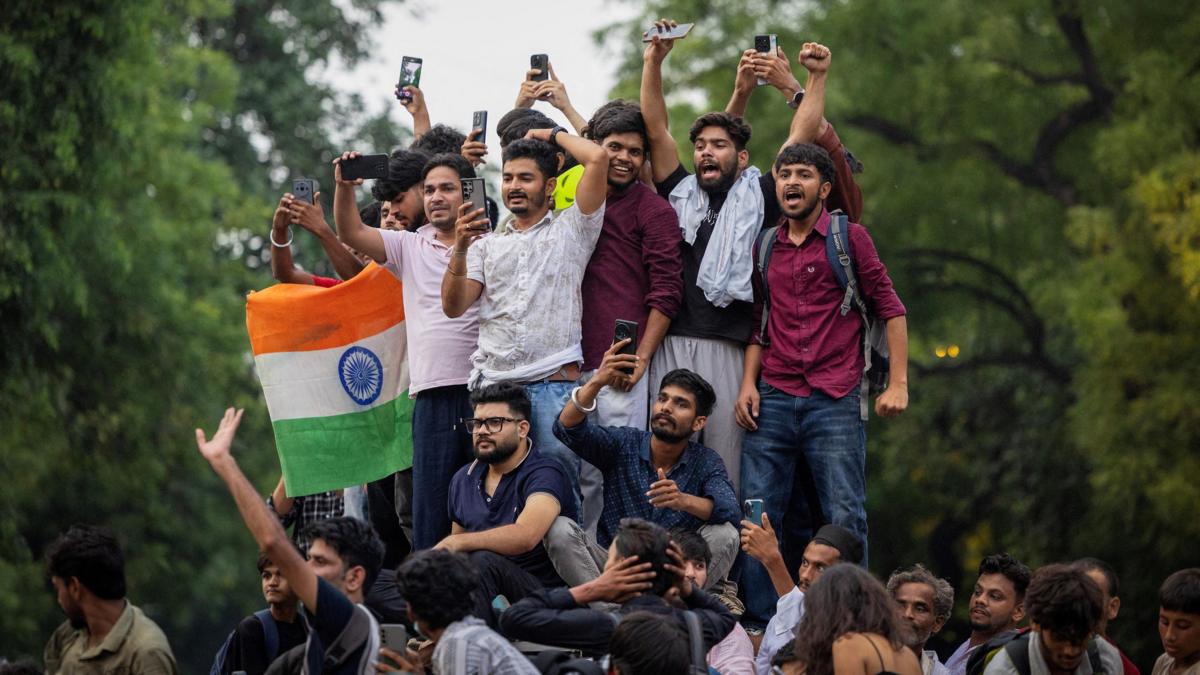
- The Cockroach Janta Party (CJP) and opposition parties are mobilizing protests in Delhi, Mumbai, and Kolkata starting October 2; the CJP gave Kumar 48 hours to quit and is also demanding the scrapping of the Special Intensive Revision (SIR) of voter rolls that has removed millions of names.
- Gyanesh Kumar is the first chief election commissioner appointed under a new Modi government law that overturned a Supreme Court-recommended selection mechanism, granting the government authority to pick election commissioners and granting them immunity for election-related actions.
- Article 324(5) gives the CEC the same removal protection as a Supreme Court judge, requiring a parliamentary motion on proven misbehavior or incapacity passed by special majorities in both houses — a threshold no such motion has ever cleared, and the opposition's removal notice was rejected by Parliament's presiding officers earlier this year.
- Congress workers who defaced the gates and walls of Kumar's residence in BJP-ruled Uttar Pradesh were booked by police under charges of attempt to murder, underscoring the tensions surrounding the protests.
- Kumar's critics have compared him to Adolf Eichmann, while BJP supporters argue cleaning electoral rolls is a legitimate duty and some have called for Kumar to be awarded India's highest civilian honors.
Why it matters: Kumar's removal is structurally near-impossible — no parliamentary motion of this kind has ever succeeded, and his protections mirror those of a Supreme Court judge. The opposition's legal challenge to the new appointment law sits before a five-judge constitutional bench that has yet to begin hearings, leaving October's festival-heavy streets as the only pressure tool available to a movement whose ultimate target is insulated by design.
Ask SkimNews