UN envoy: Ukrainian children endure six years of online school — SkimNews
Get the Geopolitics newsletter
Daily geopolitics — wars, elections, sanctions, the diplomatic moves that move markets. Free.
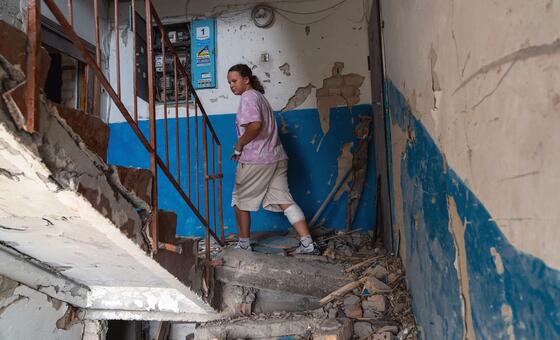
- Vanessa Frazier, the UN Secretary-General's Special Representative for Children and Armed Conflict, found that many Ukrainian children have spent roughly six years in online schooling — two years of COVID followed by four years of war — with cities like Kharkiv operating schools inside metro stations and Soviet-era shelters.
- The Russian armed forces are UN-listed for two grave violations — killing and maiming of children, and attacks on schools and hospitals — and unilaterally offered a set of commitments to address them, which Frazier called "positive" but said the specifics still need negotiation.
- A General Assembly resolution adopted 3 December 2025 tasks the Secretary-General's good offices with coordinating the immediate and unconditional return of missing Ukrainian children; during her Russia visit Frazier met with the Commissioner for Children and gained access to some Ukrainian children on Russian territory.
- In the frontline town of Zolochiv, a 12-year-old girl told Frazier she had narrowly escaped death two days earlier when she stepped away from her online-school desk for a glass of water and the area where she had been sitting was struck.
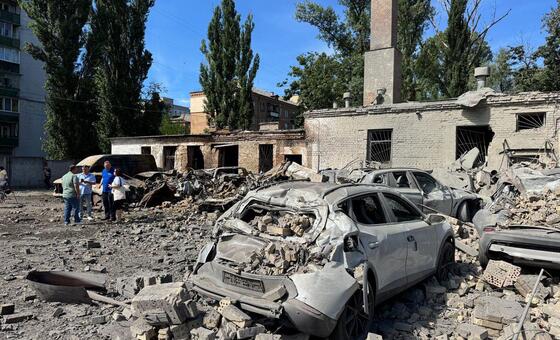
- In the Russian border city of Belgorod, schools are protected with anti-drone nets and shatterproof window film, and shelters are stocked with food and water — Frazier emphasized that the UN "does not distinguish between perpetrator and defender" because "children are being killed as a result of war, irrespective of where they are."
- The UN's joint protection plan in Ukraine is "proving successful" — child casualties are lower than they would otherwise be despite continued attacks, and Frazier said it "should serve as an example for similar situations elsewhere."
- Frazier flagged cluster munitions and landmines as weapons of particular concern for children and echoed the Secretary-General's calls for a ceasefire and a negotiated solution to end a war "that should never have started."
Why it matters: Frazier's dual-track engagement with Moscow — a formal commitments process to delist Russian armed forces for child rights violations, and direct negotiations over missing Ukrainian children — represents a rare opening for cooperation on the war's youngest victims. The fact that some Ukrainian children were granted access on Russian territory and that Russia unilaterally offered commitments suggests concrete, if narrow, diplomatic ground exists even as the broader conflict grinds on. Meanwhile, the six-year education disruption means an entire generation of Ukrainian children has now lost most of their formal schooling.
Ask SkimNews