This A.I. Just Created Viruses Not Found in Nature — SkimNews
Get the Health newsletter
Daily health & science — research, biotech, public health, the studies worth knowing. Free.
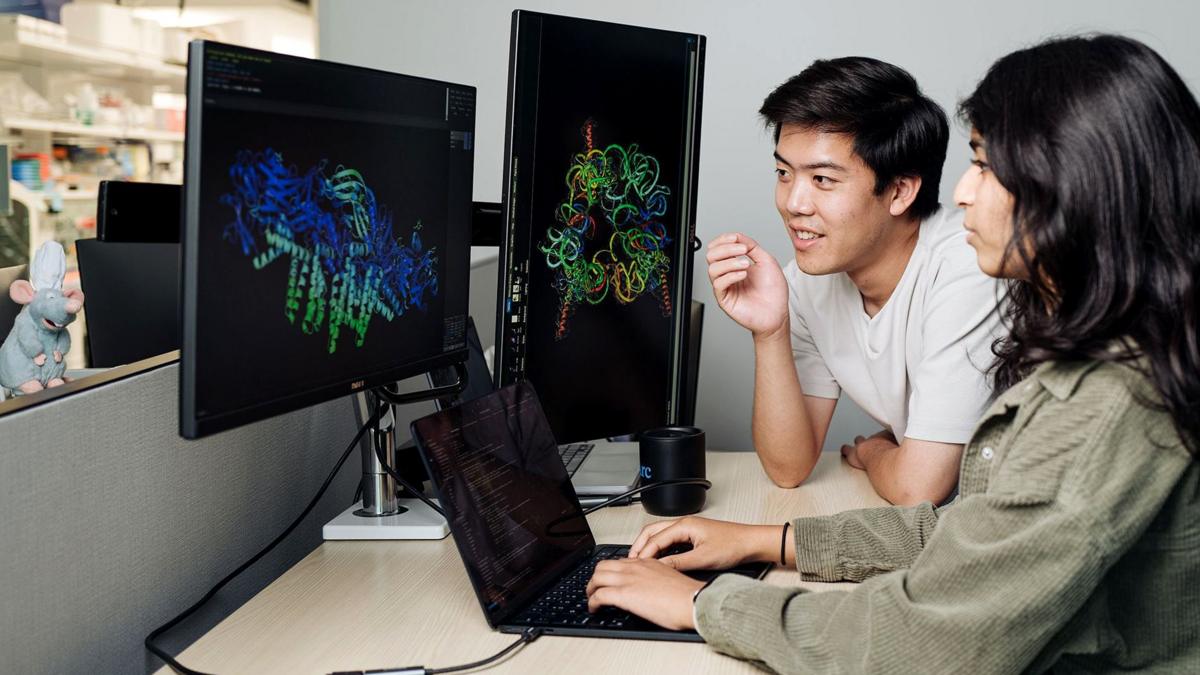
- Stanford University and the Arc Institute scientists trained AI on libraries of DNA structure patterns, then had the model write recipes for entirely new viral genomes — the first time AI has been used to create viable viruses from scratch.
- The study, published Thursday in the journal Science, produced 16 viable viruses when researchers synthesized DNA molecules from the AI's recipes and inserted them into bacteria, which then manufactured the novel viruses.
- The AI-designed viruses successfully infected other bacteria, proving they were functional and not merely theoretical constructs.
- All new viruses resemble Phi X-174, a naturally occurring bacteriophage that infects only bacteria and poses no threat to humans, according to the source.
- Patrick Cai, a synthetic biologist at the University of Manchester who was not involved in the study, called the achievement "an important milestone."
- Synthesizing viral genomes from scratch is not new — researchers have long manufactured viruses to study antiviral drugs, vaccines, and viral mechanics — but the new study goes beyond duplication by using AI to generate genomes not found in nature.
Why it matters: The study establishes AI as a viable tool for designing functional viral genomes, potentially accelerating research into antivirals and vaccines — but the same capability, the source notes, carries the disturbing possibility of being turned toward dangerous pathogens. Sixteen viable AI-designed bacteriophages now exist as proof of concept for a workflow that does not require human understanding of viral biology.
Ask SkimNews