‘Extraordinary confluence’: What China’s latest military moves reveal about its broader strategy — SkimNews
Get the Geopolitics newsletter
Daily geopolitics — wars, elections, sanctions, the diplomatic moves that move markets. Free.
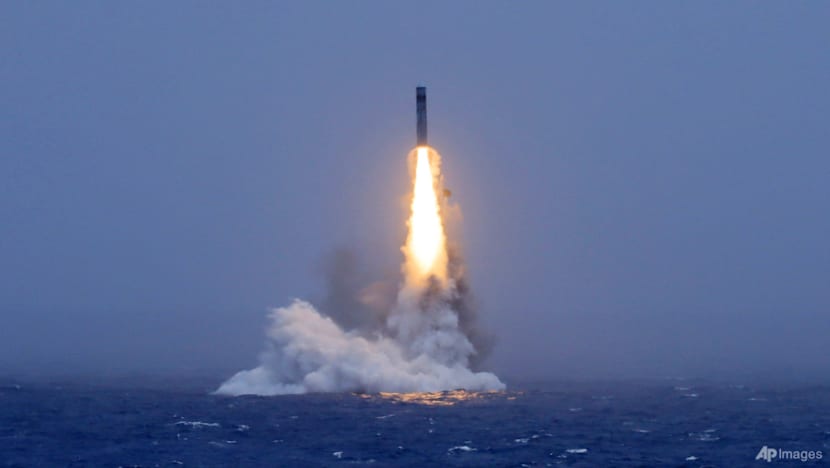
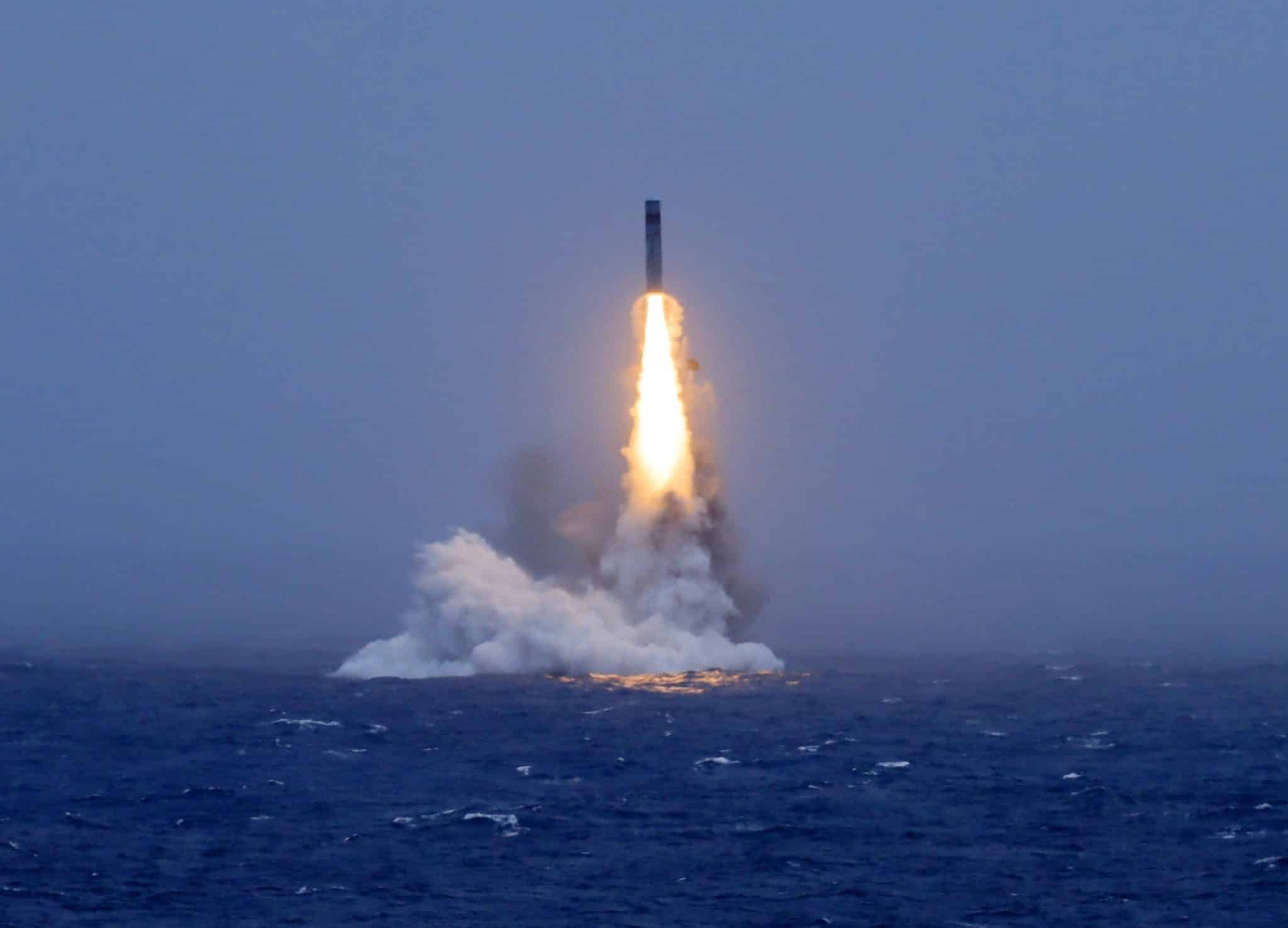
- China test-fired a long-range ballistic missile from a nuclear-powered submarine on Jul 6, with the simulated warhead traveling about 7,300km before landing in international waters in the South Pacific — a rare event analysts said demonstrated the credibility of Beijing's sea-based nuclear deterrent.
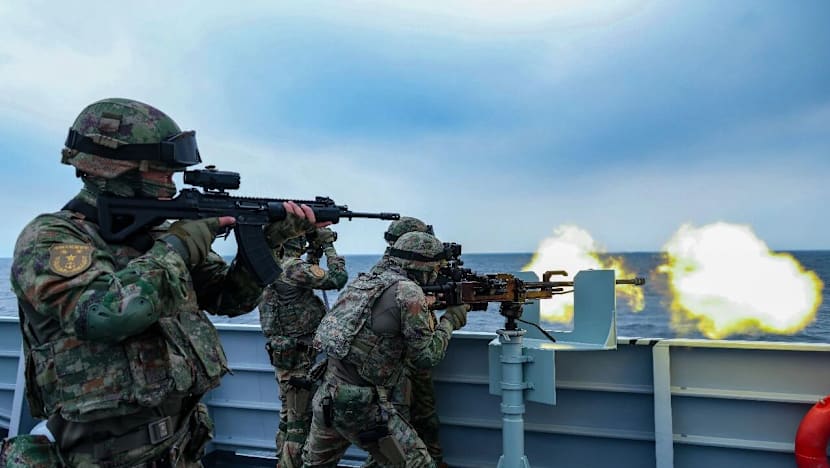
- China and Russia flew a joint bomber patrol on Jun 27 over the Sea of Japan, East China Sea, and western Pacific, including through the Miyako Strait, while running naval drills (Joint Sea-2026) in Qingdao that concluded Jul 11 with some forces heading to the Pacific for a follow-on patrol.
- China Coast Guard maintained regular law enforcement patrols in waters east of Taiwan from late June onward, building what analyst Ben Brand called "a jurisdictional record on the Pacific side" that would matter in any potential future blockade.
- Johns Hopkins' Isaac Kardon called the two-week cluster "an extraordinary confluence of public shows of China's military might," while Ploughshares' Hao Nan judged it "a coherent strategic direction without demonstrated operational integration" — separate strands tailored to different audiences, from nuclear powers to Taipei.
- Ben Brand of Iron Command framed Beijing's objective as "normalisation of activity in waters that used to be exceptional," adding that China used "an already busy annual exercise window to pack a lot of signalling into one news cycle."
- The recent activity unfolded alongside the US-led RIMPAC exercise around Hawaii, with Kardon warning that sustained coast guard operations east of Taiwan could "precipitate a crisis with Taiwan, Japan, or the Philippines" — and brand noting that whether the pattern hardens into doctrine or fades with summer exercises is the key question ahead.
Why it matters: Analysts directly tied the two-week cluster to escalation risk: Kardon warned sustained coast guard operations east of Taiwan could "precipitate a crisis with Taiwan, Japan, or the Philippines," and said the SLBM test should be read in Washington as a signal of Beijing's willingness "to escalate beyond the region" if the US intervenes in a Taiwan scenario. China's stated goal is making formerly exceptional waters unremarkable — raising the cost of pushback for Tokyo, Taipei and Manila month after month.
Ask SkimNews