Wang Yi: China and India are energy partners, not rivals — SkimNews

Get the Geopolitics newsletter
Daily geopolitics — wars, elections, sanctions, the diplomatic moves that move markets. Free.
- Wang Yi warned IAEA Director General Rafael Mariano Grossi in Beijing on March 26 of "immeasurably serious consequences" if energy and nuclear facilities are targeted amid the expanding Middle East conflict.
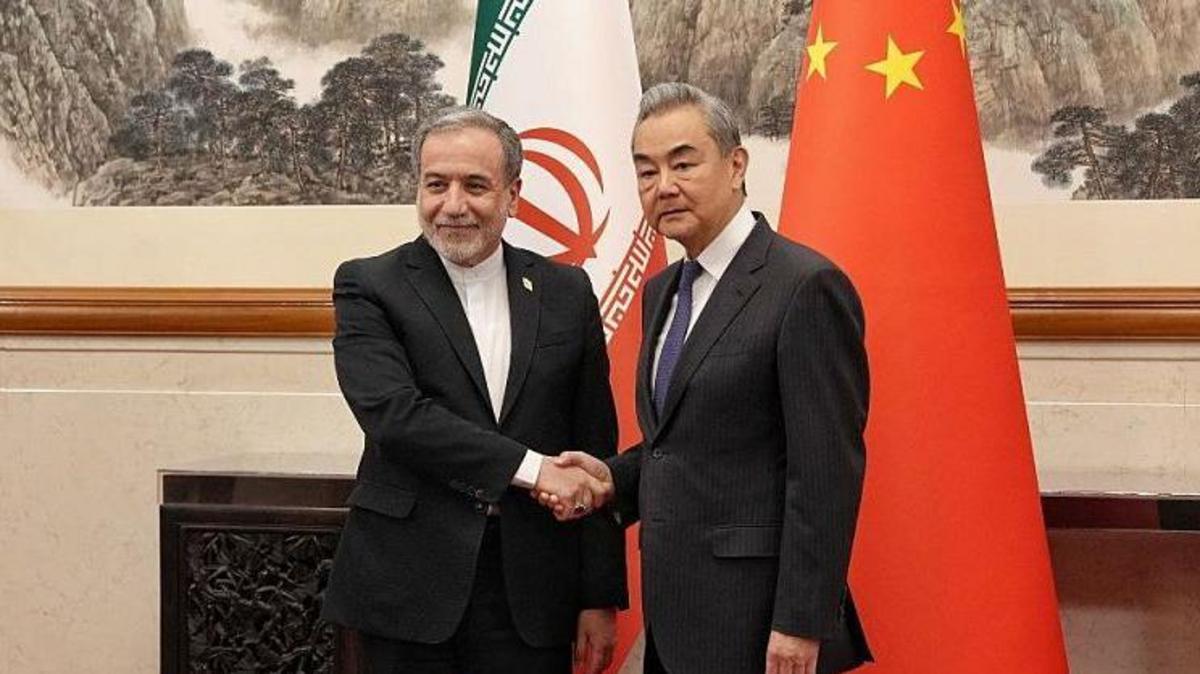
- Wang Yi at the 14th National People's Congress on March 8 urged China and India to view each other "as partners rather than rivals, and as opportunities rather than threats," framing energy security as a shared concern for the two largest developing economies.
- India's Ministry of External Affairs spokesperson Randhir Jaiswal said safeguarding reliable energy supplies for 1.4 billion citizens is New Delhi's foremost concern, with "diversifying energy sourcing" at the core of its strategy.
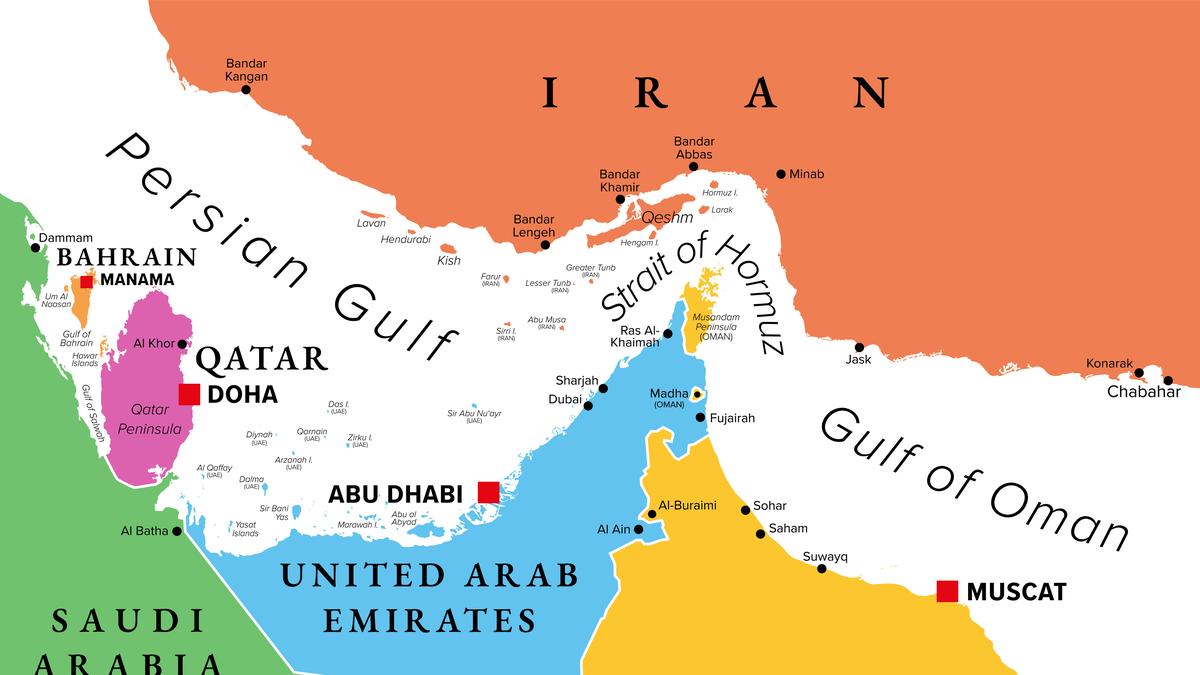
- The Strait of Hormuz, which carries roughly 20 million barrels of oil per day and nearly one-fifth of global LNG trade, has seen tanker traffic slow after strikes on Iran and retaliatory attacks on energy infrastructure.
- Oil and gas markets reacted sharply: Brent crude briefly surged above $110/barrel, WTI hit $100, and European natural gas prices jumped roughly 60% after Qatar announced a halt in LNG shipments.
- China and India together drive more than one-third of global energy demand growth; about 45% of China's oil imports (5–6 million barrels/day) and roughly 50% of India's (2.5–2.7 million barrels/day) transit the Strait of Hormuz.
- The analysis by Dr. Hriday Sarma argues that joint strategic petroleum reserves, coordinated procurement, maritime-security dialogue, and clean-tech partnerships could stabilize prices and cushion Asia against Gulf disruptions.
Why it matters: For the nearly 3 billion people across China and India who depend on Gulf-bound hydrocarbon flows, even modest coordination on strategic petroleum reserves and joint procurement could dampen price spikes like the one that pushed Brent above $110 and European gas up 60% — but the piece offers no evidence Beijing and New Delhi have moved beyond rhetoric to actual mechanism design.
Ask SkimNews