We don’t need more e-bike laws. This 11-year-old’s ticket shows why — SkimNews
Get the Energy newsletter
Daily energy & climate — solar, EVs, oil, the policy fights and tech bets shaping the transition. Free.
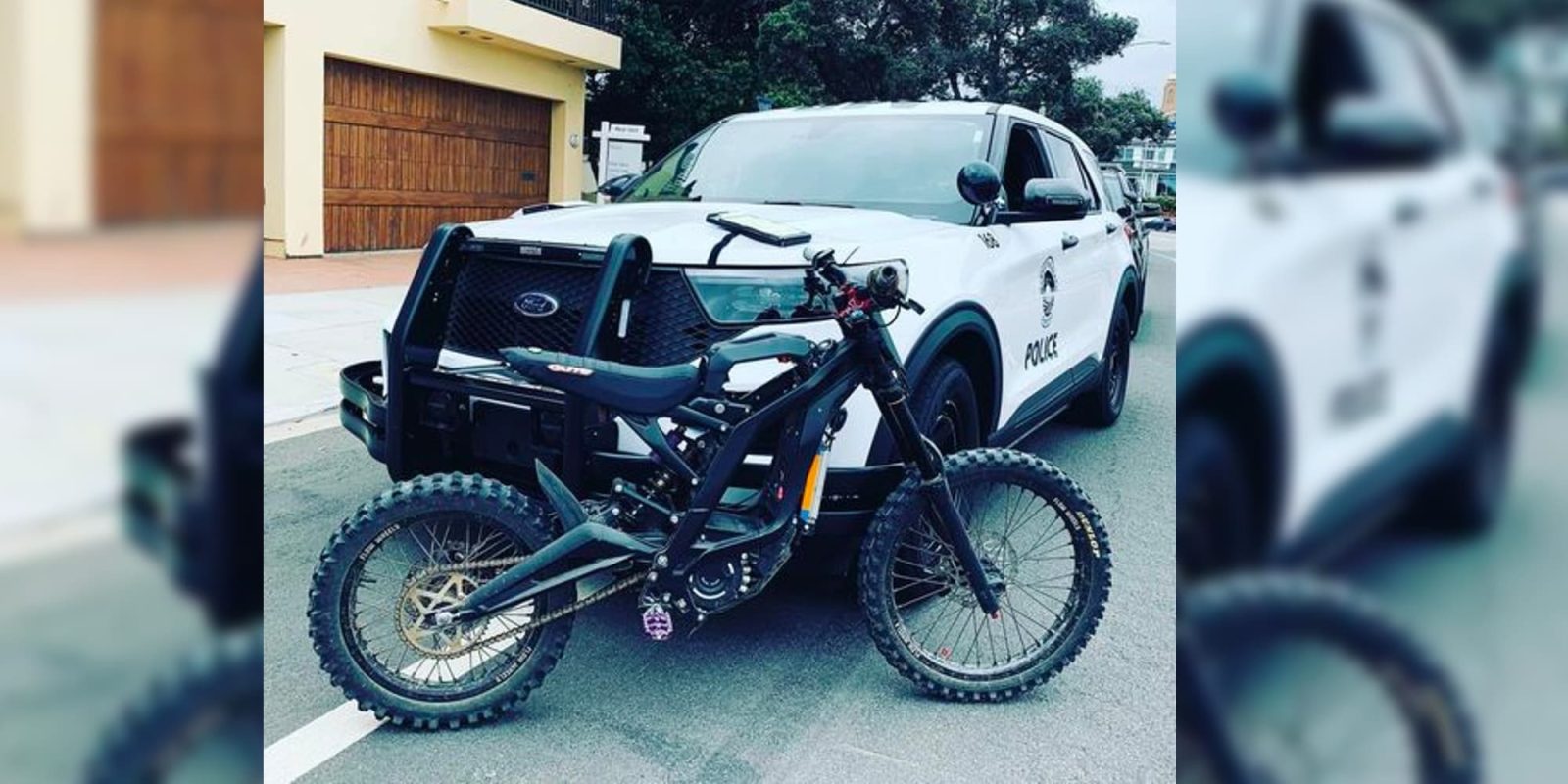
- Oviedo police stopped an 11-year-old riding toward a fishing spot on a Sur Ron-style 4,500-watt electric motorcycle that had foot pegs instead of operable pedals, well outside Florida's 750-watt e-bike definition.
- The vehicle, described by police as capable of ~50 mph though the boy's father claimed it was limited to 20 mph, required registration, DOT compliance, and a motorcycle-endorsed license — none of which an 11-year-old holds.
- The boy was cited for operating an unregistered motor vehicle, fingerprinted because he lacked ID, given a mandatory court date, and had his bike towed; police said several other violations could have been added.
- Electrek's argument frames the incident as proof that existing motor vehicle laws already cover illegal high-powered e-motos, and that sweeping new e-bike restrictions risk penalizing legal Class 1, 2, and 3 riders (20–28 mph with real pedals).
- The analogy the piece drives home: a 4,500-watt pedal-less e-dirt bike doesn't become an e-bike because its motor is electric, just as a 50cc gas dirt bike on the same road wouldn't prompt calls to rewrite bicycle law.
Why it matters: Lawmakers in multiple cities and states have proposed new e-bike registration, licensing, and age restrictions in response to complaints about high-powered electric motorcycles — but those proposals would ensnare millions of legal Class 1–3 e-bike riders. This Florida case demonstrates that the tools to police illegal e-motos already exist in motor vehicle codes, making the question of whether to write new e-bike rules or simply enforce old ones a concrete policy fork with millions of legitimate commuters in the balance.
Ask SkimNews