UBC Okanagan Finds Enzymes to Make Cancer Mitraphylline — SkimNews
SkimNews Take
Decoding the plant's enzymatic pathway to mitraphylline enables sustainable drug production without relying on the plant itself, bypassing the ecological pressures of wild harvesting for a rare compound.
Get the Health newsletter
Daily health & science — research, biotech, public health, the studies worth knowing. Free.
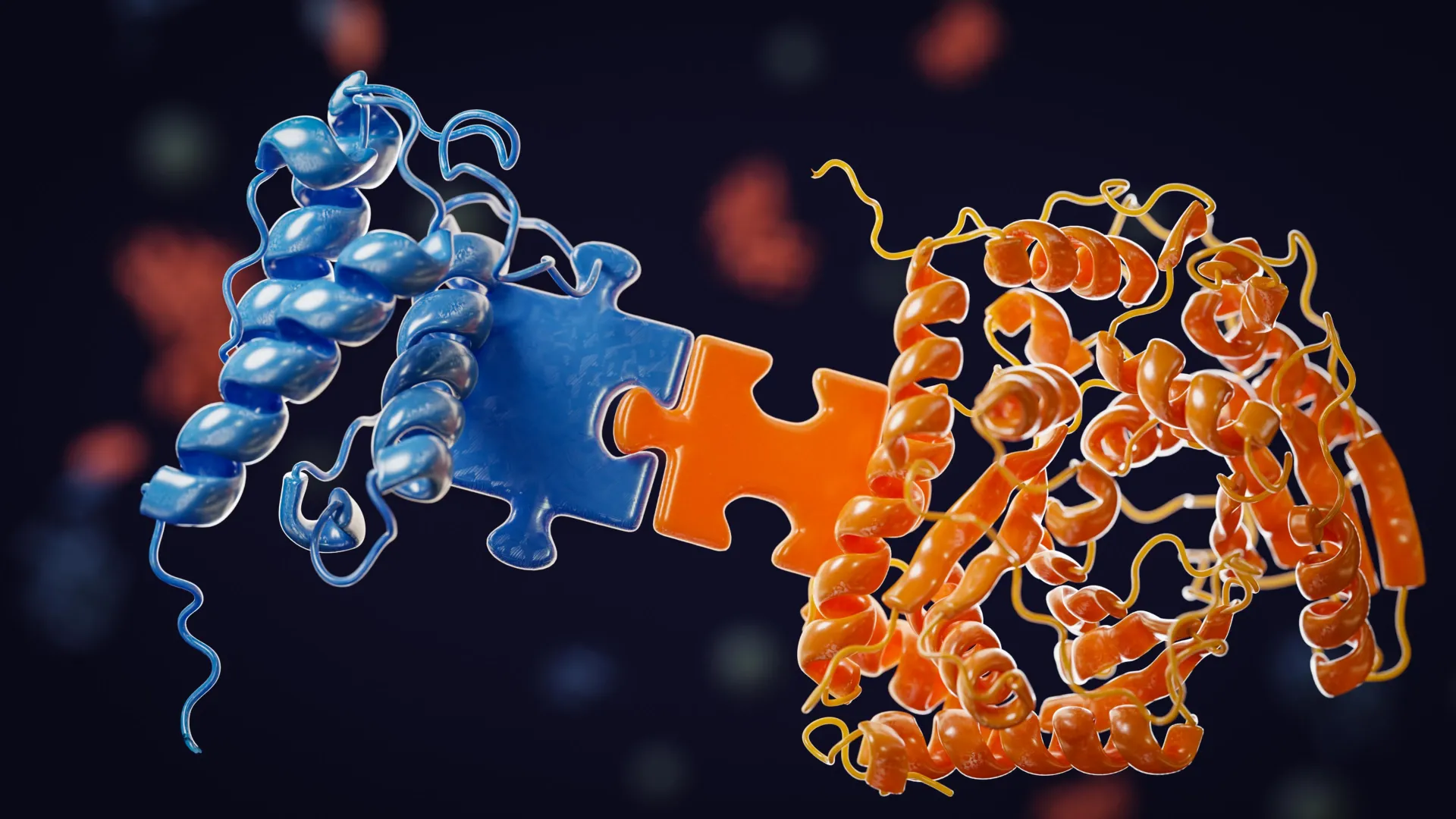
- University of British Columbia Okanagan identified two enzymes that together construct the spirooxindole alkaloid mitraphylline, a rare plant compound with anti‑cancer activity.
- Dr. Thu‑Thuy Dang’s 2023 team discovered the first enzyme capable of twisting a precursor into the spiro shape, a key step in mitraphylline biosynthesis.
- Tuan‑Anh Nguyen led the follow‑up work that uncovered a second enzyme that converts the spiro‑shaped intermediate into mitraphylline itself.
- Mitraphylline is naturally present only in trace amounts in tropical species such as kratom (Mitragyna) and cat’s claw (Uncaria), so the enzymatic pathway opens a route for sustainable, scalable production.
Why it matters: Pharma firms can now access mitraphylline without costly plant extraction, cutting production costs and preserving tropical species, while drug developers gain a greener path to anti‑cancer candidates.
Ask SkimNews