Xcel's Minnesota Battery Fleet Approved as Grid Asset — SkimNews
Get the Energy newsletter
Daily energy & climate — solar, EVs, oil, the policy fights and tech bets shaping the transition. Free.
- A Brattle Group study estimates that 200+ GW of additional capacity is achievable from the current U.S. grid through investments in batteries, load flexibility, and grid-enhancing technologies.
- A 10% improvement in system utilization translates to rate cuts of up to 4.8%, $110 billion to $170 billion in customer savings over the next decade, a 23% boost in utility earnings, and several years shaved off new load connections, per a separate Brattle analysis.
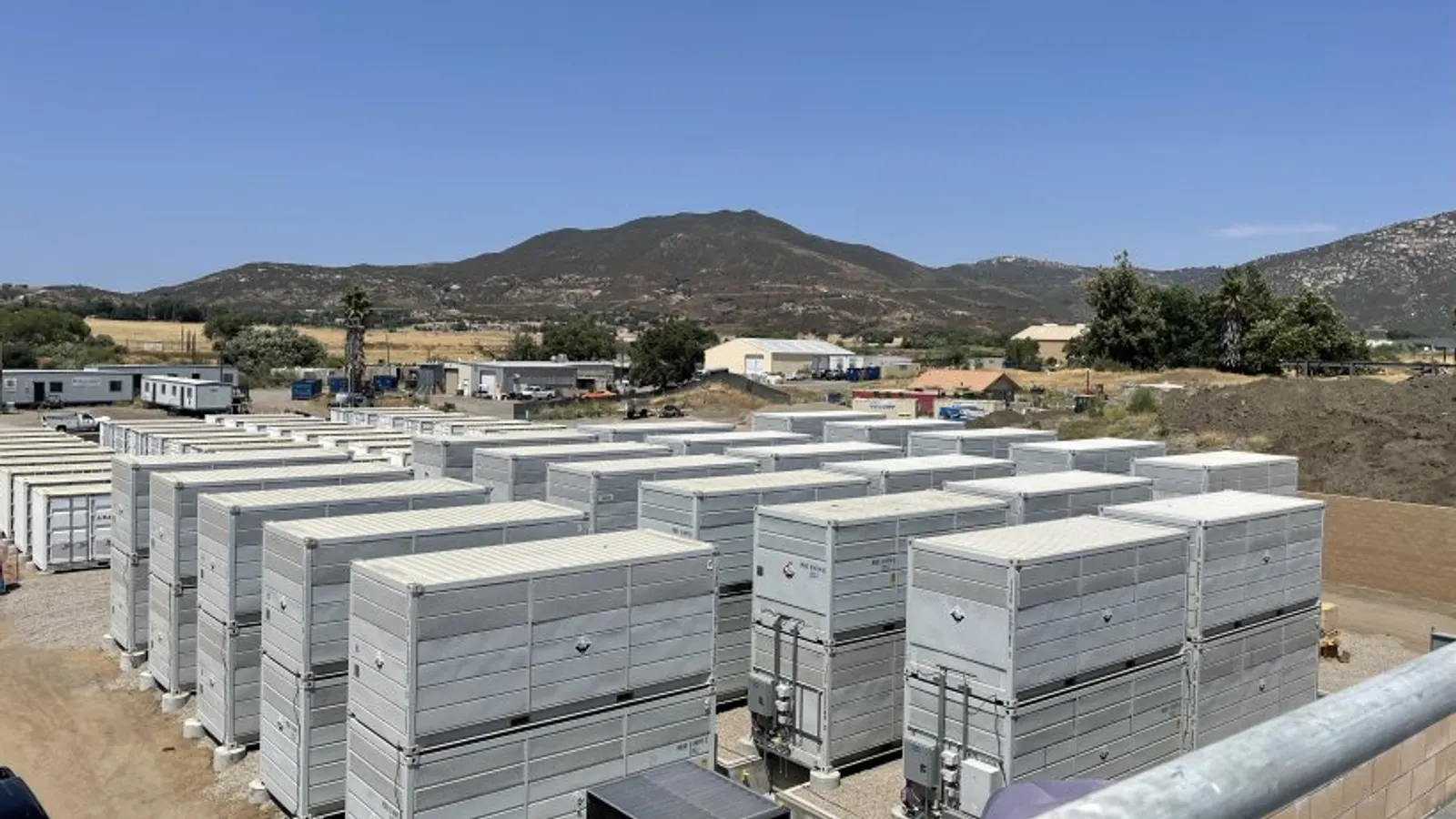
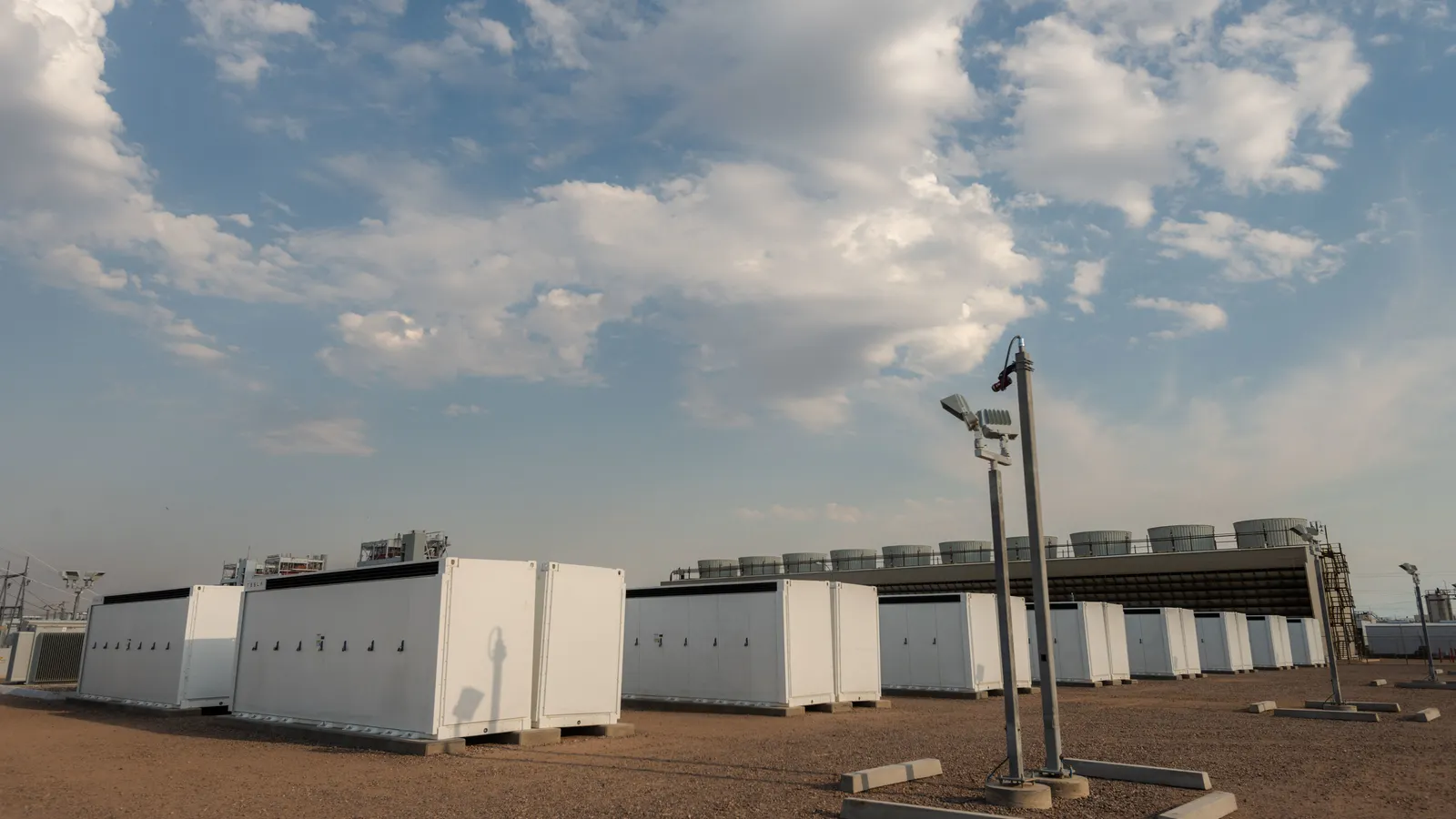
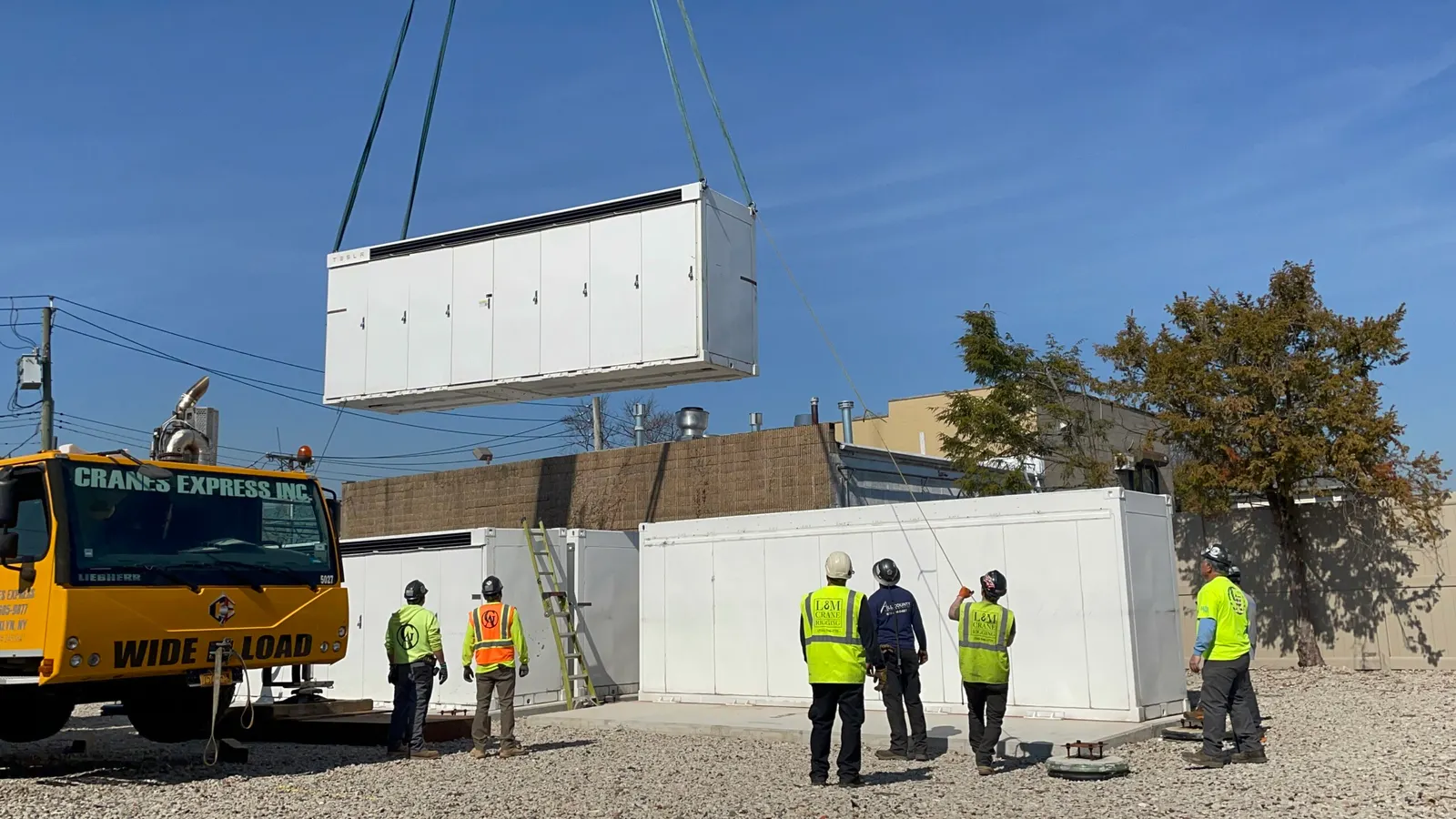
- Xcel Energy's Capacity*Connect program in Minnesota is deploying up to 200 MW of front-of-the-meter distributed batteries in 1-3 MW systems, and is the first utility-owned, utility-operated battery deployment of its kind approved by a state utility commission.
- The Minnesota program is projected to save residential customers an average of 17 cents per month over 20 years, with the first confirmed host site being a church receiving thousands of dollars in monthly payments.
- More than 80% of distributed capacity procurement value is competitively bid, a structure that drew support from local labor unions, engineering firms, and consumer advocates in Minnesota.
- U.S. utilities built the grid to handle peak demand for just 50-100 hours per year, and rapid load growth from advanced manufacturing, EVs, cloud computing, and AI is forcing the fastest grid expansion in a century.
Why it matters: Minnesota's first-of-its-kind approval of Xcel's 200 MW Capacity*Connect program gives state utility commissions a regulatory template for utility-owned distributed batteries as rate relief — Brattle Group estimates a 10% utilization gain delivers $110B-$170B in customer savings over a decade.
Ask SkimNews