Michael Sheen Digs Into Monsanto's Welsh PCB Scandal — SkimNews
Get the Culture newsletter
Daily culture — film, music, books, the trends and ideas worth your attention. Free.
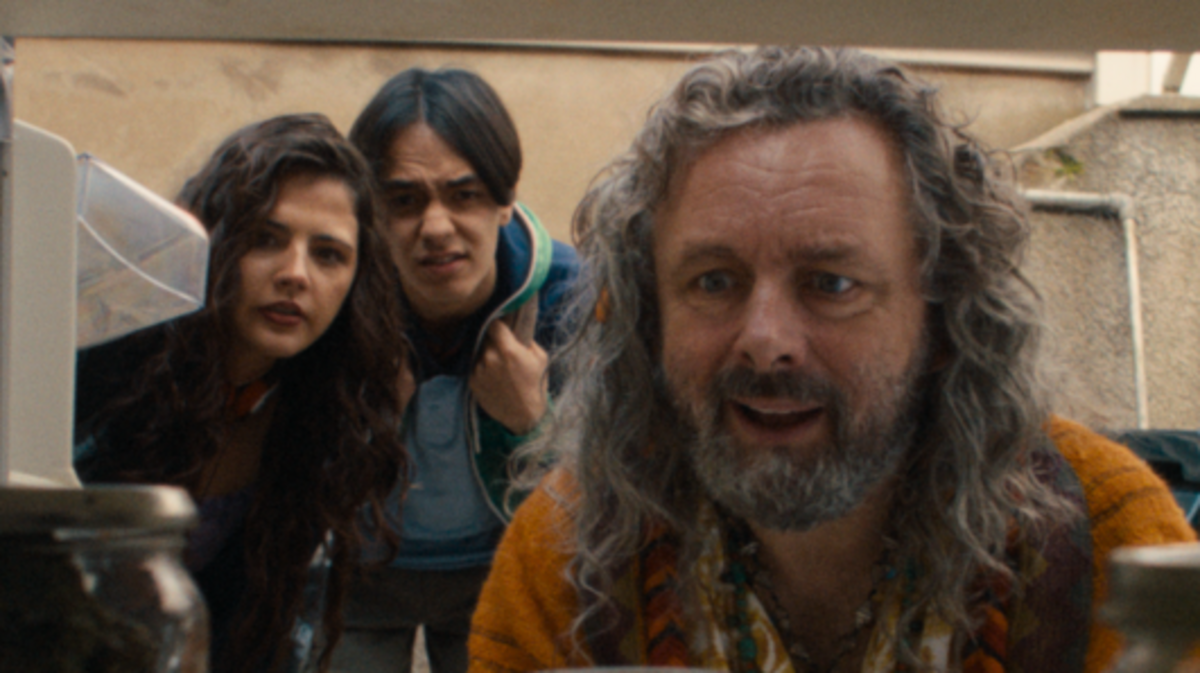
- Michael Sheen presents a two-part documentary, Buried, investigating how Monsanto's Newport plant dumped toxic PCB waste in Welsh quarries from the 1940s to the late 1970s, with the actor himself conducting the key interview footage.
- Douglas Gowan, an environmental campaigner with only weeks to live, spent two days giving Sheen a filmed interview nearly 10 years ago that became the documentary's most valuable source on the dumping.
- Monsanto internal memos from as far back as 1949 show the firm knew PCBs were dangerous, according to attorney Donald Stewart, who secured a $300m settlement from the company in 1993 on behalf of Anniston, Alabama residents.
- Villagers in Ynysddu, led by two local councillors known as "the two Jans," report lorries arriving at night at a nearby quarry decades ago and dogs walked in nearby woods continuing to die of cancer.
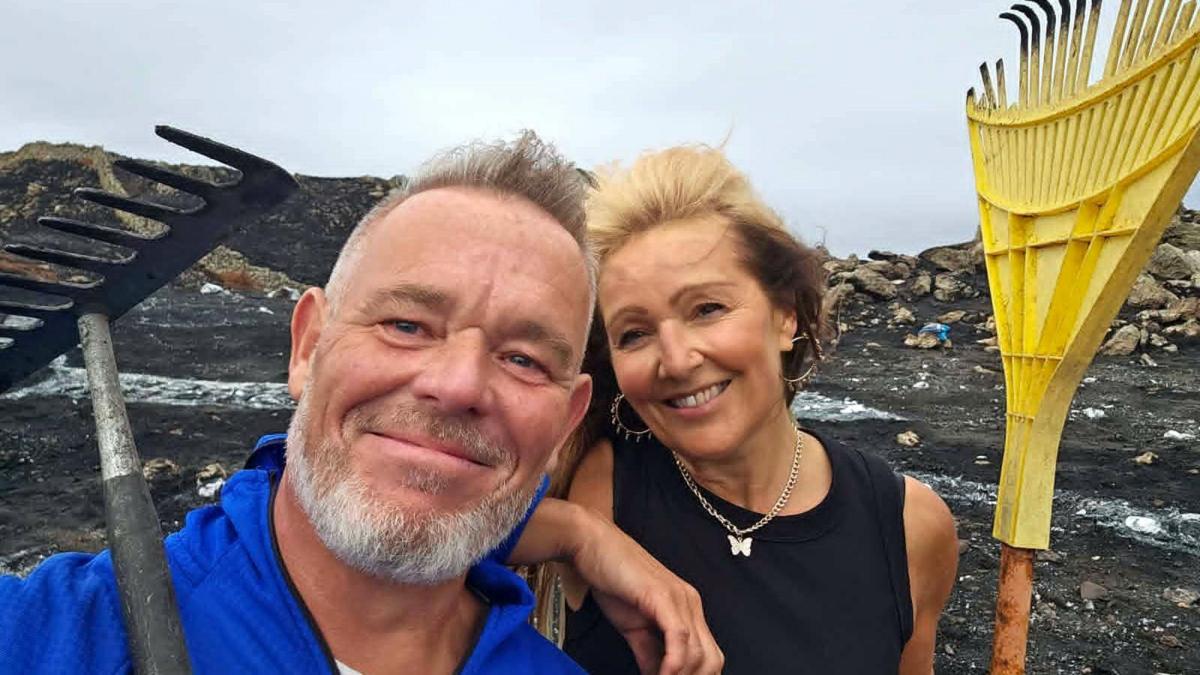
- BBC Radio 4 podcasters Dan Ashby and Lucy Taylor uncovered a 1973 Westminster debate in which a government minister traduced Gowan from the dispatch box shortly after US PCB production was halted, following a Sunday Times expose by Peter Pringle.
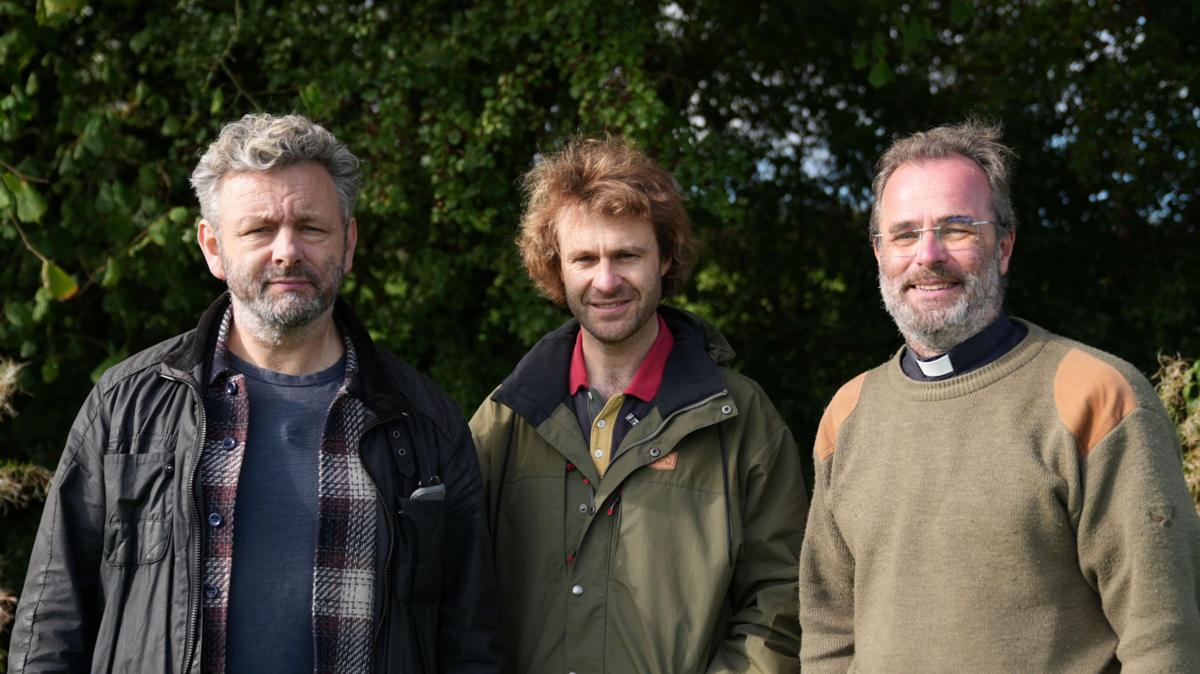
- Rev Paul Cawthorne, a vicar now helping investigate, was prompted by a deathbed confession from a parishioner who used to drive trucks filled with barrels of toxic waste to the landfills.
Why it matters: Internal Monsanto memos from 1949 show the company knew PCBs were dangerous yet kept producing them at Newport into the late 1970s, while Welsh communities in Ynysddu report dogs still dying of cancer near former landfill sites — the documentary's concluding soil tests, due next week, could be the first firm evidence to trigger accountability for Welsh victims comparable to the $300m Anniston settlement.
Ask SkimNews