Ohtani Remains MLB's Only Two-Way Star Eight Years In — SkimNews
Get the Sports newsletter
Daily sports — scores, transfers, the storylines from the leagues you actually follow. Free.
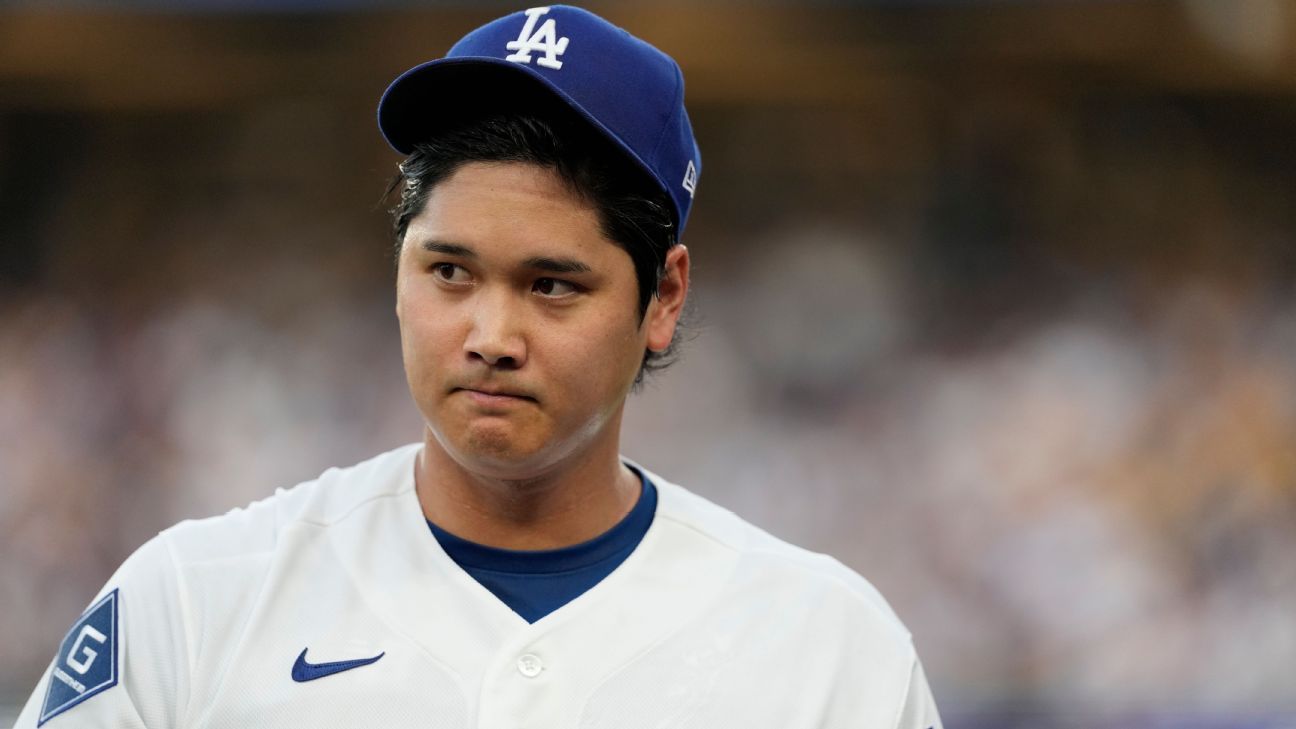
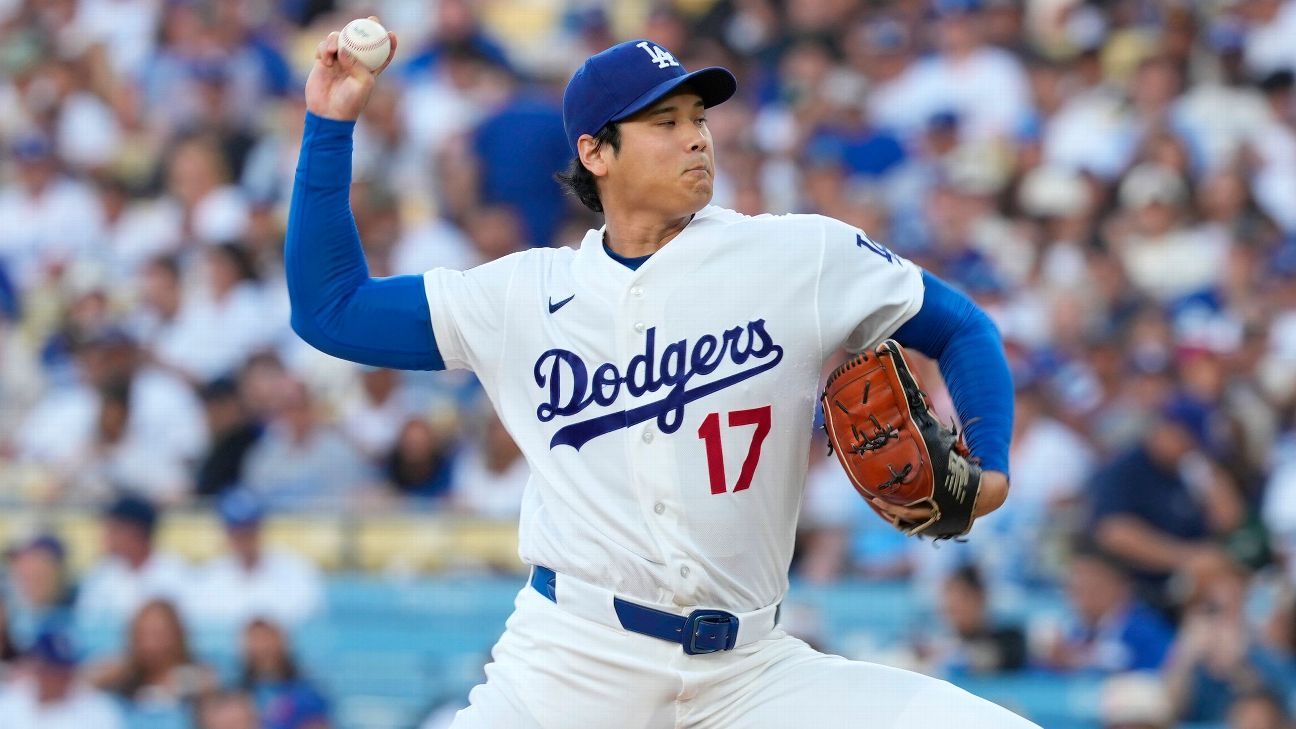
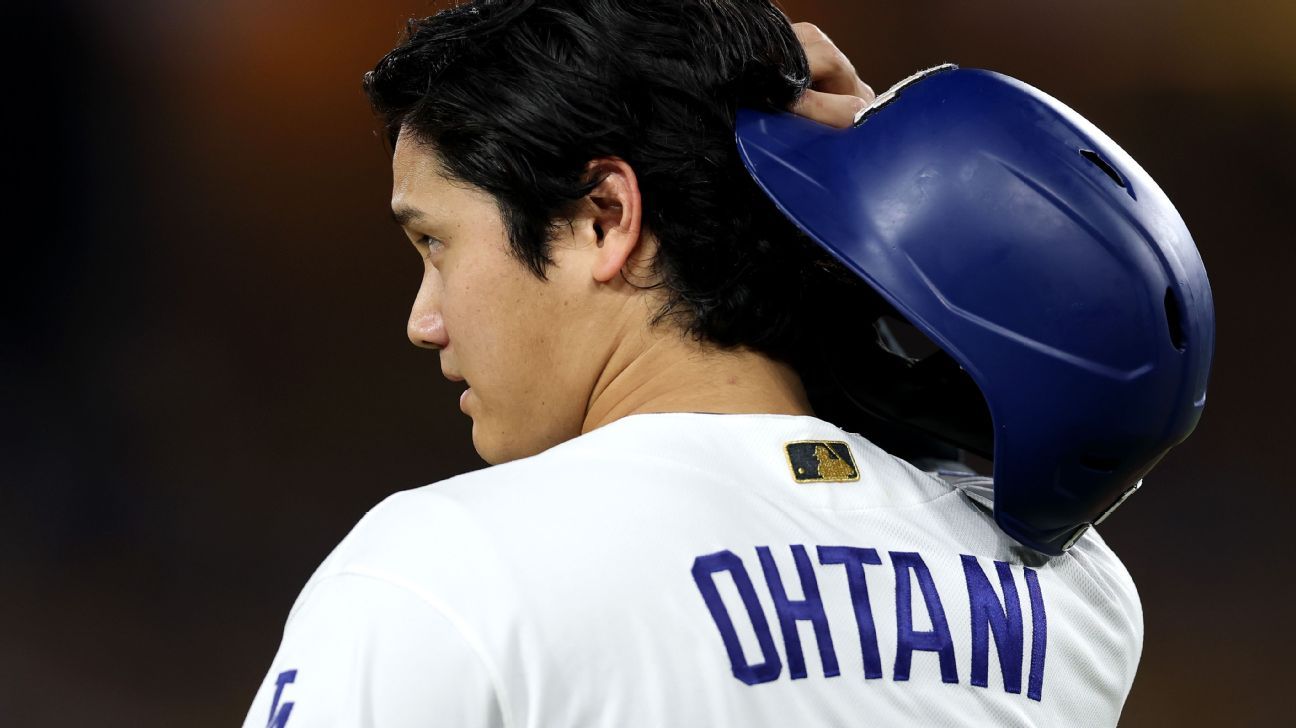
- Shohei Ohtani remains MLB's only active two-way player since debuting in 2018, with Dodgers GM Brandon Gomes calling the chances of another emerging "close to zero" given the difficulty of meeting elite-hitter and elite-pitcher thresholds simultaneously.
- Michael Lorenzen came closest to replicating Ohtani, compiling 83⅓ innings as a reliever and 89 innings as an outfielder for the 2019 Reds; in one Sept. 27 game he pitched two scoreless innings, drove in the go-ahead run, then returned to center field.
- Jake Cronenworth was still throwing bullpens at Padres spring training in 2020 as part of his two-way development when the COVID-19 pandemic shutdown effectively ended his pitching career; he'd posted a 2.45 ERA over seven mound appearances with Tampa Bay's Triple-A affiliate in 2019.
- MLB's 2020 two-way designation rule requires 20-plus innings pitched and 20-plus games as a position player with at least three plate appearances each — a threshold players including Cronenworth, Lorenzen, Jared Walsh and Matt Davidson call overly onerous and disincentivizing.
- Bryce Eldridge, drafted 16th by the Giants in 2023 after posting a 1.06 ERA with 66 strikeouts and hitting .422 with eight home runs as a Virginia high school senior, reached the majors as a 20-year-old first baseman with no pitching plan in place.
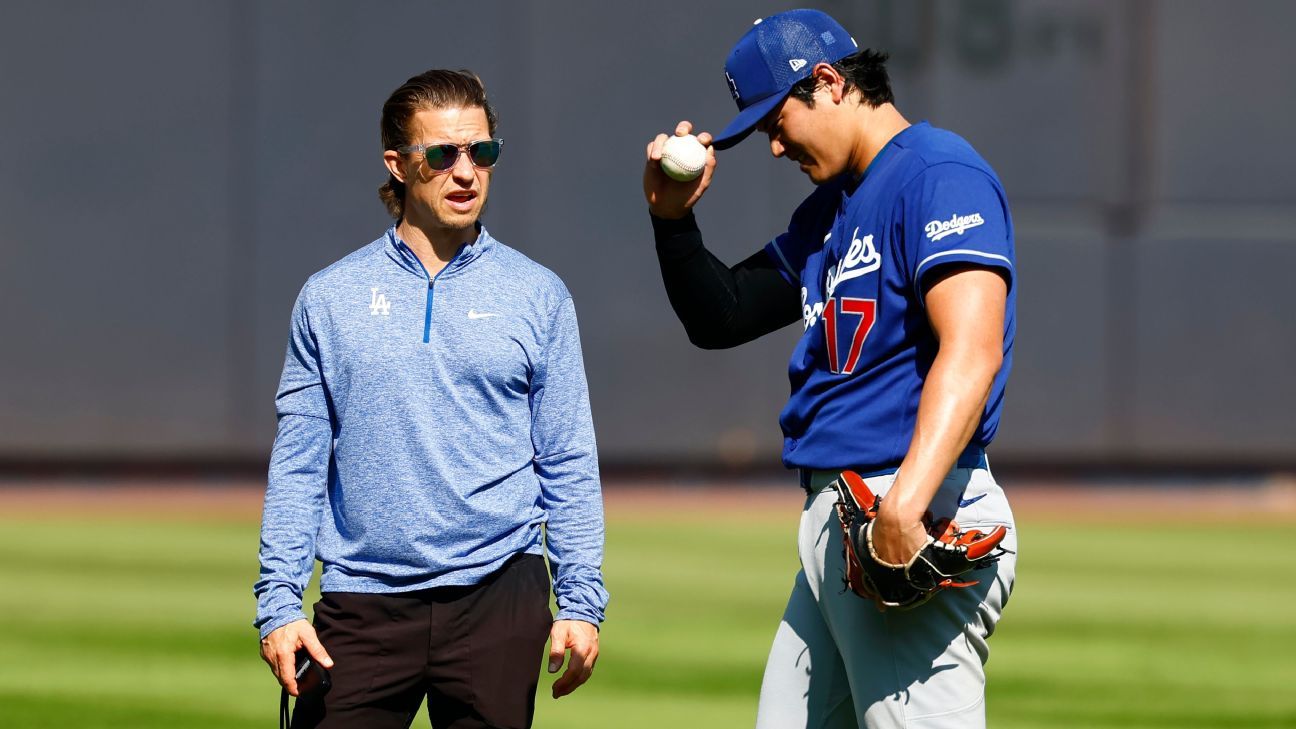
- Ohtani's injury history — Tommy John surgery in 2018, knee surgery in 2019, a second UCL repair in 2023 and shoulder surgery in 2024 — has kept him off the mound since July 3 and now includes an injured-list stint for right arm pain and ongoing knee discomfort.
Why it matters: Ohtani's four MVPs prove the two-way model produces historic value, but his body has required two Tommy John surgeries, knee and shoulder operations, and now an IL stint in a single career — while the Dodgers GM publicly rates a successor's odds at "close to zero." That combination of physical toll and a rule framework that disincentivizes attempts means MLB has effectively accepted a one-Ohtani ceiling rather than develop the next generation of two-way talent, despite eight years of proof it's possible.
Ask SkimNews