US, China Adopt 'Constructive Strategic Stability' — SkimNews

Get the Geopolitics newsletter
Daily geopolitics — wars, elections, sanctions, the diplomatic moves that move markets. Free.
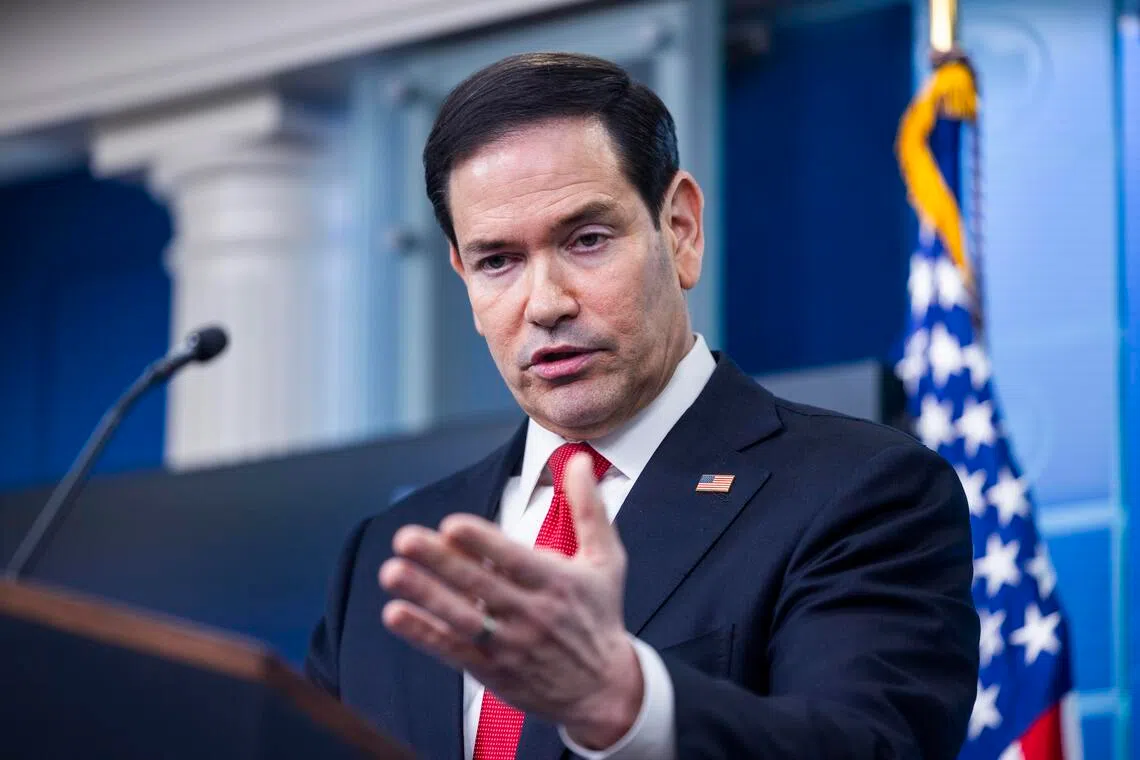
- Marco Rubio first floated 'strategic stability' language after meeting China's top diplomat in Malaysia last summer, then repeated the phrase in February while discussing China in the Caribbean — remarks that drew little notice at the time.
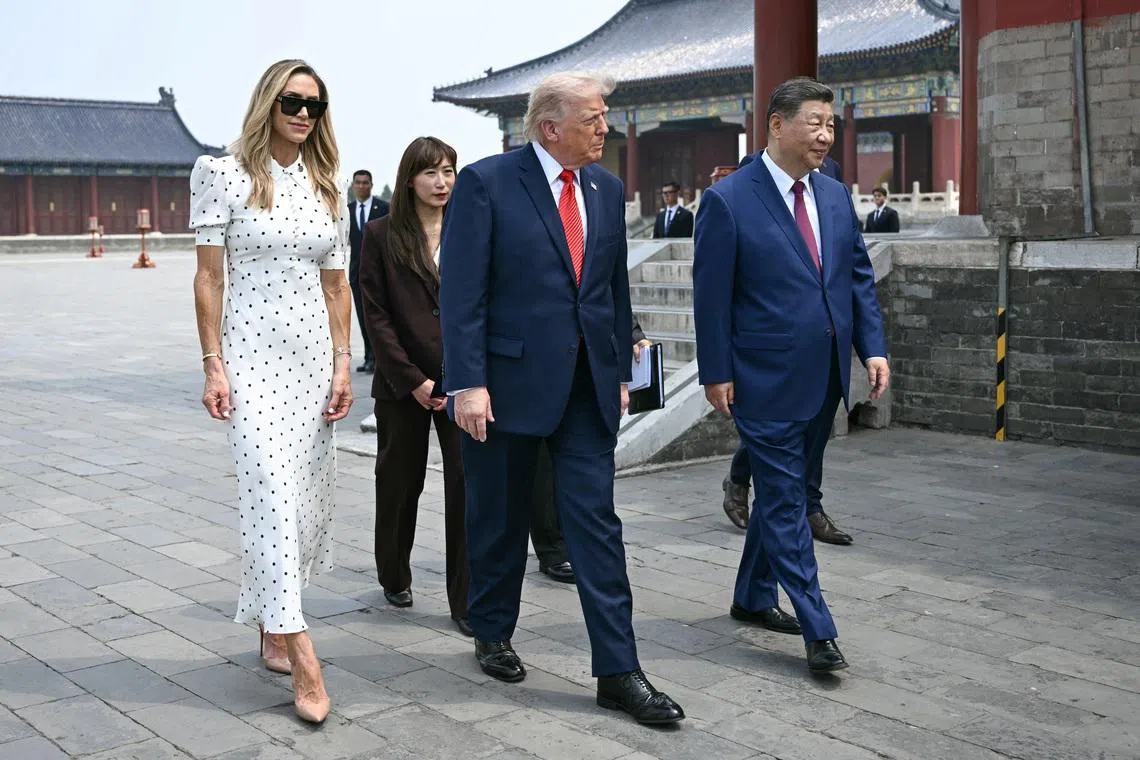
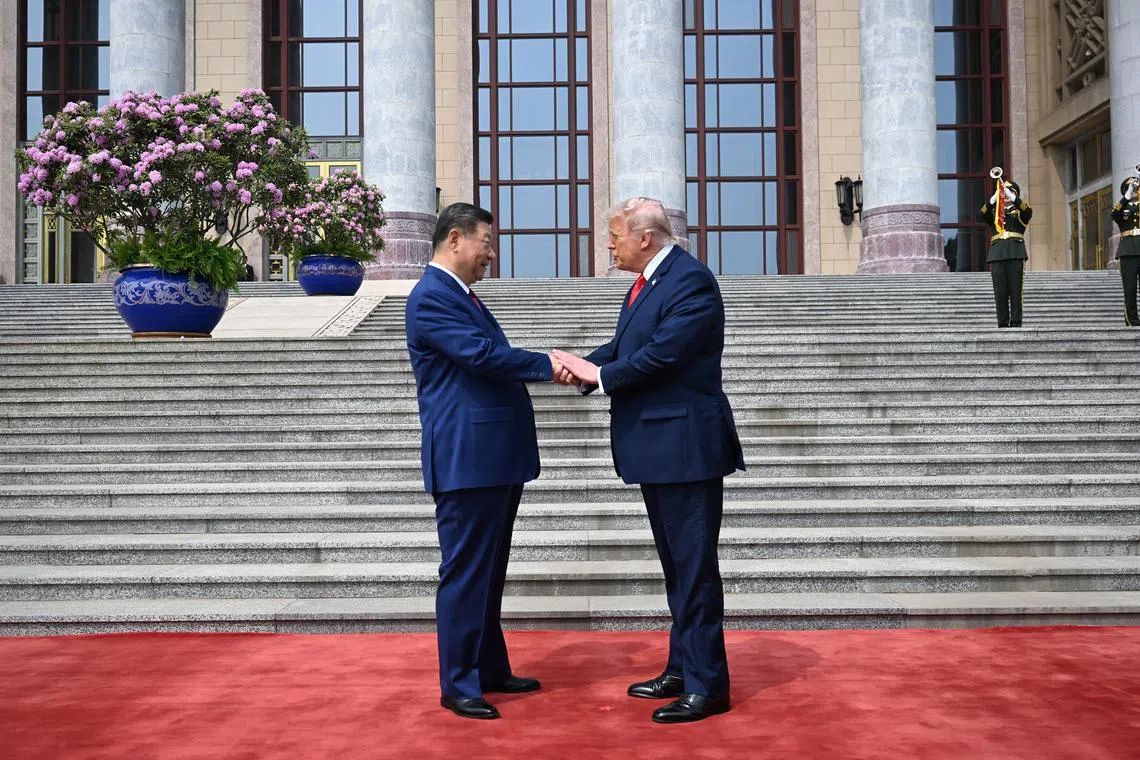
- Chinese officials proposed the rosier upgrade — 'constructive strategic stability' — to their U.S. counterparts in previously unreported diplomacy, and both governments then deployed it publicly during Trump's meeting with Xi Jinping in Beijing last month.
- The new catchphrase signals to agencies in both nations and to other powers that the U.S. and China — the world's two largest economies and most powerful militaries — are seeking cooperation or limits on hostilities, notably on trade and Taiwan.
- Trump's warming toward Xi, a leader he admires, has stirred questions and anxieties in Washington and across Asia, from Taipei to Delhi to Manila.
- Officials from Taipei to Manila are scrambling to recalibrate their own approaches to both the United States and China in response to the policy shift.
Why it matters: The 'constructive strategic stability' language directly covers Taiwan — the most sensitive flashpoint in U.S.-China relations — and Asian capitals from Taipei to Delhi to Manila are already recalibrating their strategies, meaning smaller U.S. allies in the region may face pressure to align behind the new great-power accommodation or risk being sidelined.
Ask SkimNews