Dimon warns Iran war could raise US inflation, rates — SkimNews
Get the Finance newsletter
Daily finance — markets, central banks, M&A, the prints that move money. Free.
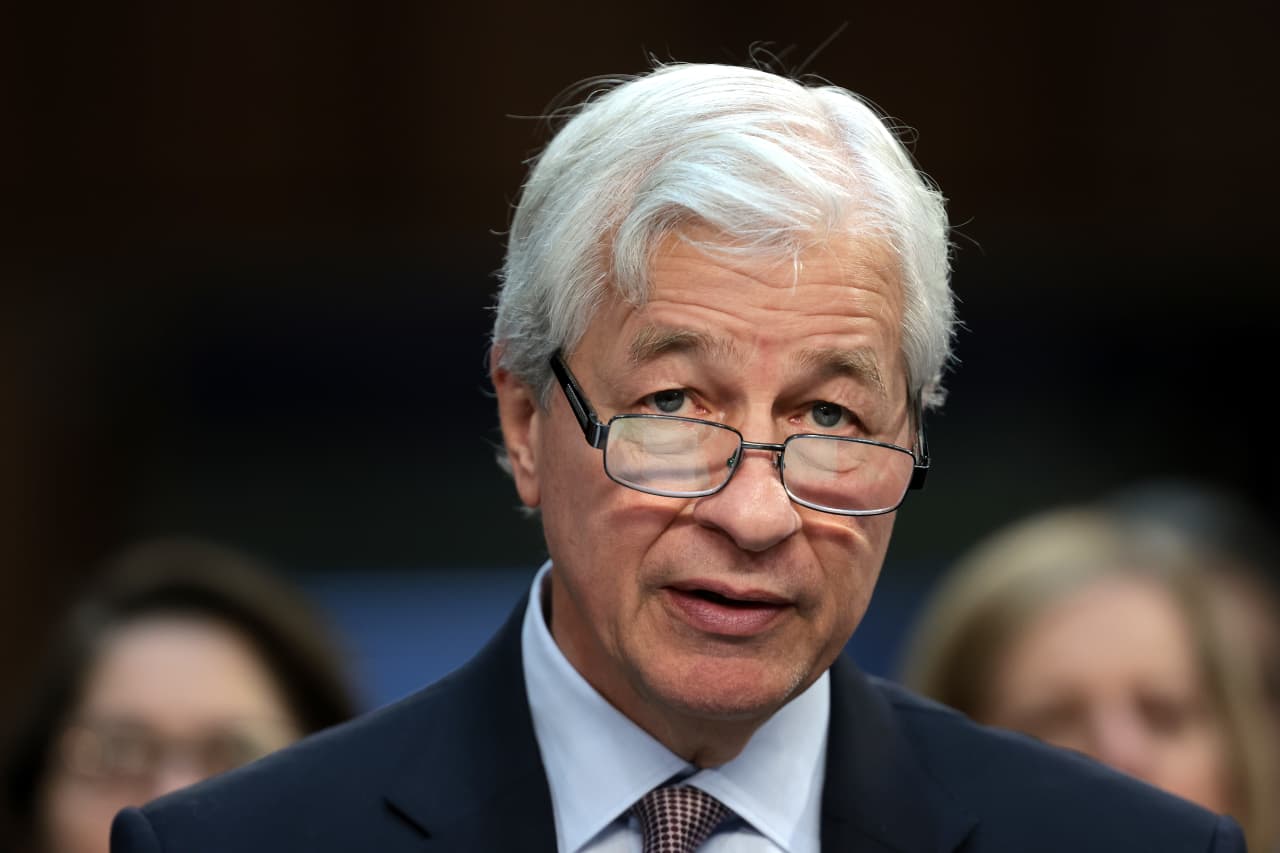
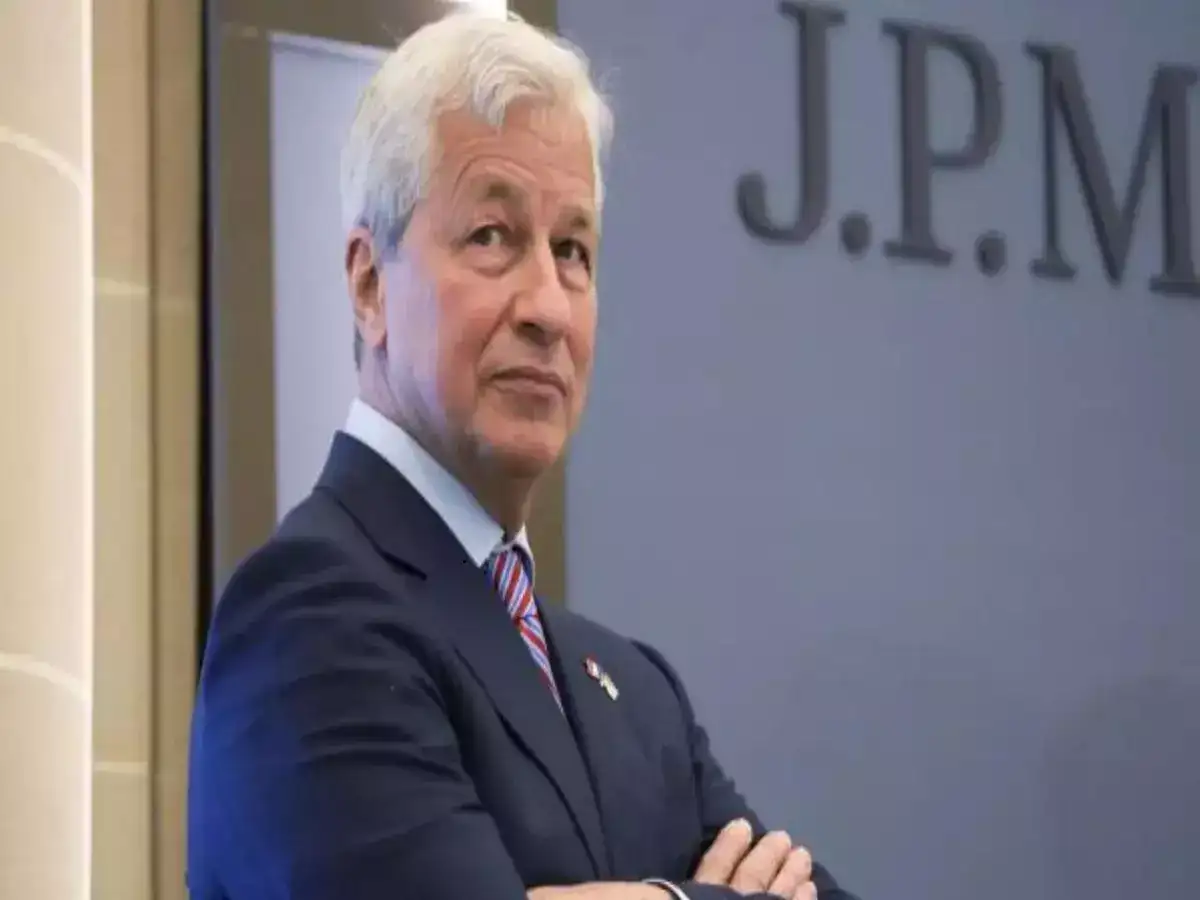
- Jamie Dimon warned that a US‑Iran war and rising oil prices could push U.S. inflation and interest rates higher than market expectations.
- Dimon said the U.S. economy is now less energy‑dependent and a net exporter, making it more resilient but still vulnerable to a “tipping point” of multiple shocks.
- Dimon cautioned that high asset prices could trigger market volatility and a recession, possibly with stagflation where inflation persists despite slowing growth.
- Dimon noted that the leveraged private‑credit market totals $1.8 trillion, yet he believes it does not pose a systemic risk, though weaker credit standards could raise losses in a future credit cycle.
- Dimon listed other major risks: Russia’s war in Ukraine, U.S.–China tensions, shifting Trump tariff policies, high asset prices, low credit spreads, and large fiscal deficits.
- Dimon pointed to the “One Big Beautiful Bill” fiscal stimulus and the Federal Reserve’s $40 billion monthly securities purchases as supportive factors for the U.S. economy in 2026.
Why it matters: Investors and borrowers could face higher financing costs and market volatility if the war‑driven inflation and rate spikes materialize, while the Federal Reserve may need to keep policy tighter longer than anticipated; private‑credit lenders also risk greater losses as credit standards weaken.
Ask SkimNews