China Urges US, Israel to Halt Middle East War — SkimNews
Get the Geopolitics newsletter
Daily geopolitics — wars, elections, sanctions, the diplomatic moves that move markets. Free.
- Zhai Jun, China's special envoy to the Middle East, called on the US and Israel to cease military operations after shuttle diplomacy through Saudi Arabia, the UAE, and Kuwait, invoking the proverb 'the one who tied the bell must be the one to untie it.'
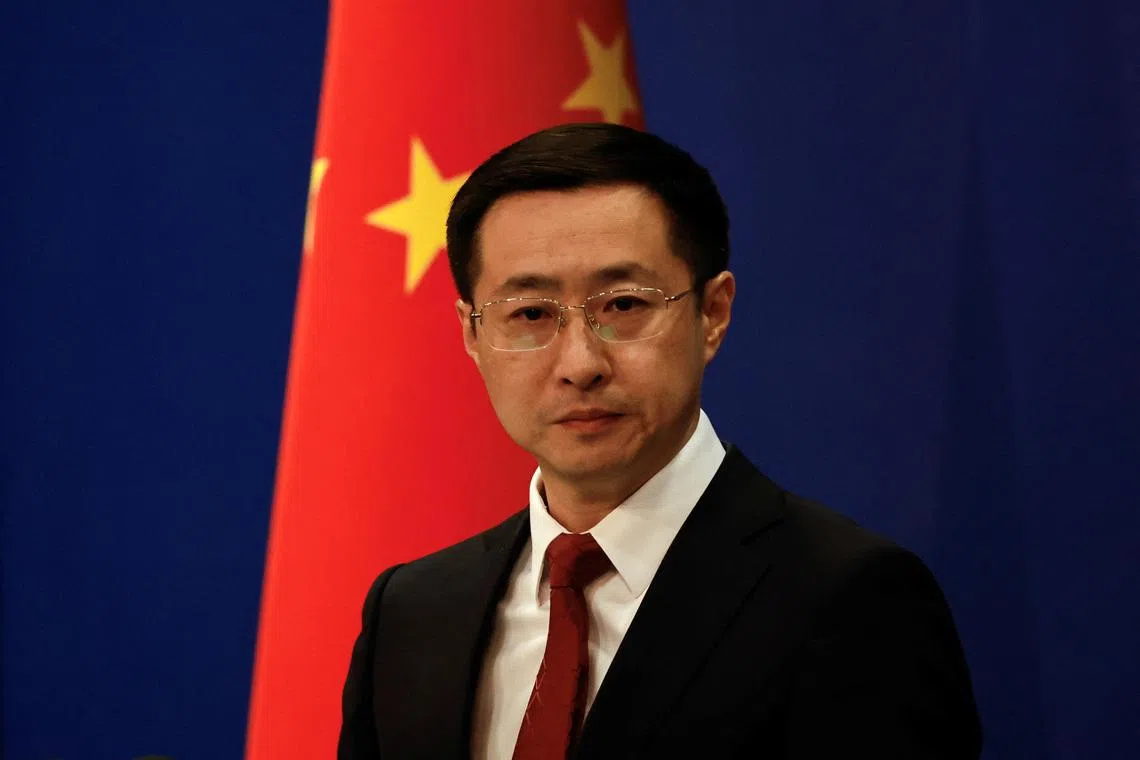
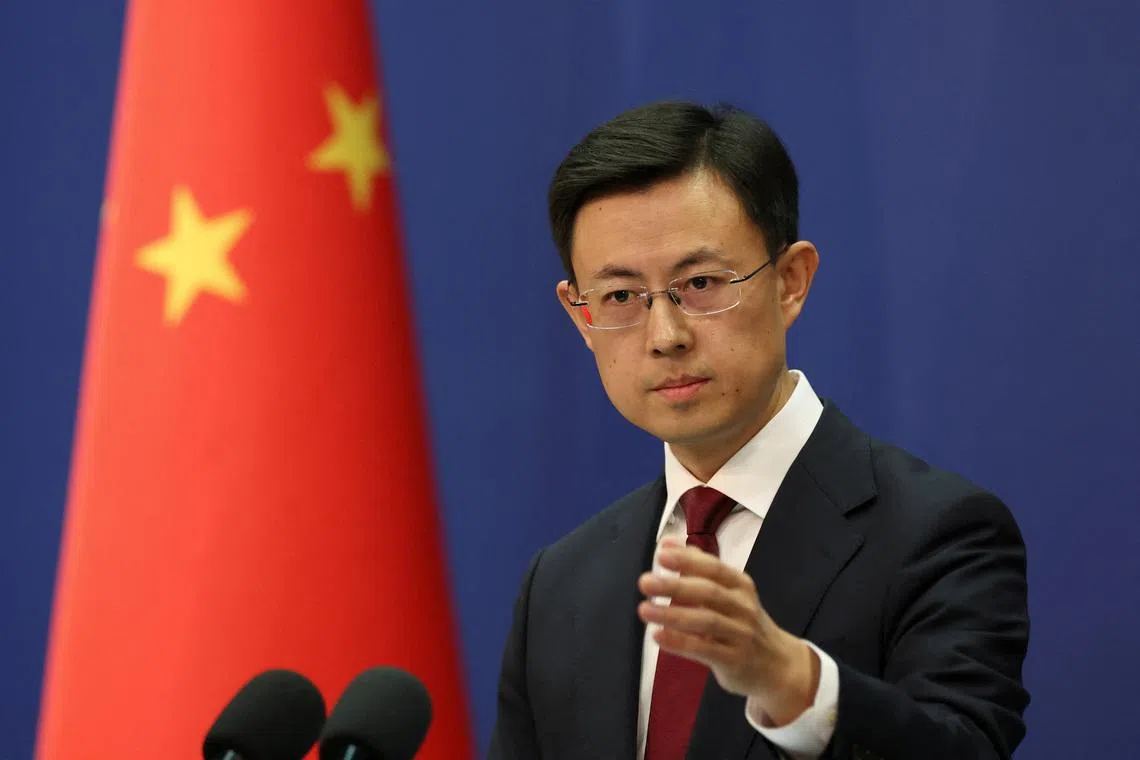
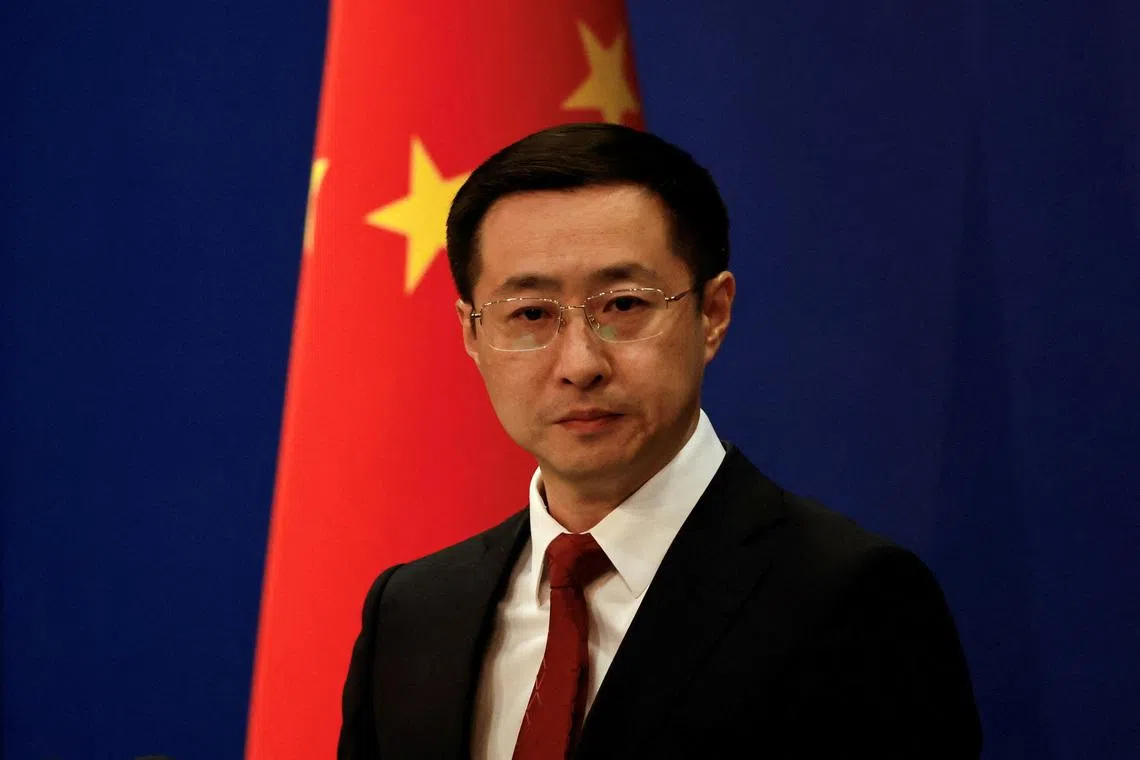
- Foreign ministry spokesperson Lin Jian warned the use of force would lead to a 'vicious cycle,' saying the war 'should not have been started' and that further spread would 'plunge the entire region into chaos.'
- China's foreign ministry drew parallels to the Iraq War on its 23rd anniversary, stating it 'brought profound suffering to the Iraqi people' and warning that 'the war 23 years later on Iran has caused severe losses to the Iranian people.'
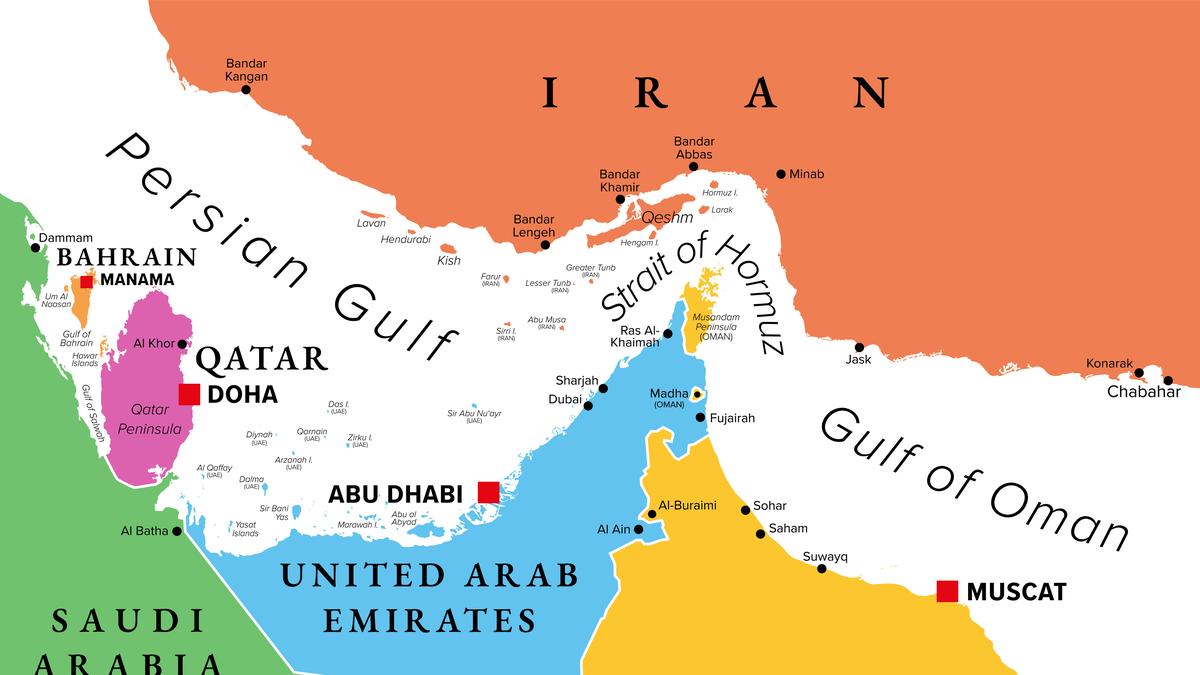
- Trump imposed a 48-hour deadline on Tehran to reopen the Strait of Hormuz to all shipping, threatening to destroy Iranian power plants otherwise — a waterway Iran has effectively closed, carrying a fifth of global oil and LNG and triggering the worst oil crisis since the 1970s.
- Goldman Sachs chief China economist Hui Shan warned that weakening growth in emerging-market trading partners 'will likely weigh on Chinese exports to these countries in the coming quarters,' prompting the bank to cut its second-quarter growth forecast and raise its 2026 inflation outlook.
- China's energy exposure is relatively contained — coal accounts for about 60% of its energy mix, with Strait of Hormuz imports representing only around 5% of total consumption — but rising oil and gas prices could lift inflation and end producer price deflation.
- When asked whether Beijing had pressed Iran to ensure safe passage for Chinese vessels, Lin Jian said China 'remains in communication with all parties and is committed to easing tensions,' without confirming any specific request.
Why it matters: The Strait of Hormuz closure is choking a fifth of global oil and LNG flows, and Goldman Sachs projects this will drag on Chinese exports through weakening emerging-market demand — giving Beijing material economic stakes in de-escalation even though only ~5% of its own energy transits the strait and coal covers 60% of its energy mix.
Ask SkimNews