Repatha Cut Heart Attack Risk 20% vs. Generic Zetia — SkimNews

Get the Health newsletter
Daily health & science — research, biotech, public health, the studies worth knowing. Free.
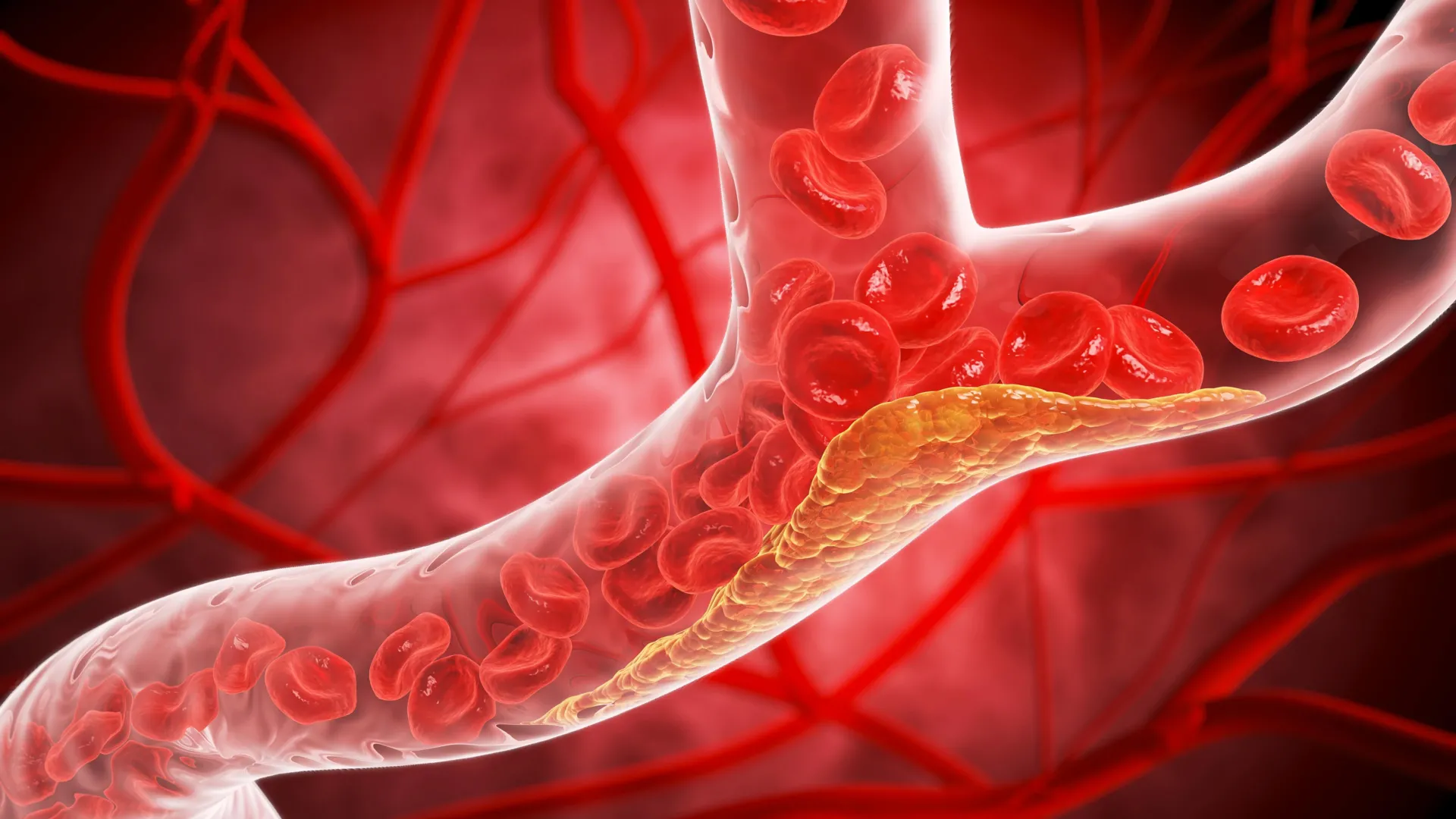
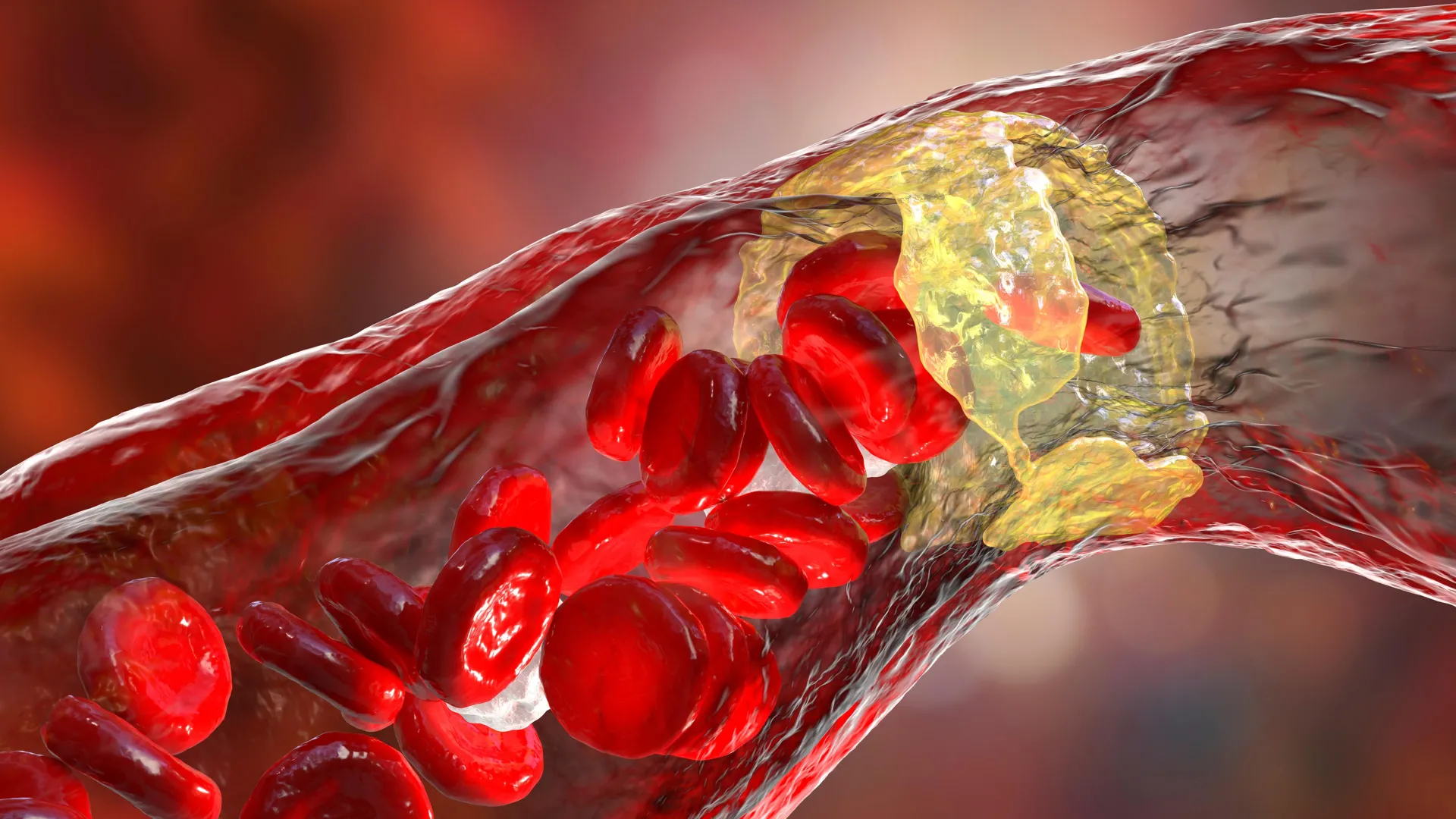
- Repatha won a new trial based on real-world evidence that pitted Amgen's injectable PCSK9 inhibitor against ezetimibe, with the source naming Repatha the more effective drug for lowering LDL, the 'bad' cholesterol that threatens to clog coronary arteries.
- Repatha lowered heart attack risk by 20% in the beyond-statins setting the headline describes, where cardiologists turn to other long-approved drugs when statins aren't enough.
- Ezetimibe, previously sold by Merck as Zetia, served as the comparator — an oral cholesterol absorption inhibitor that is now generic, so the trial matched a branded injection against a generic pill.
- Amgen markets Repatha as an injectable PCSK9 inhibitor, putting the branded drug up against ezetimibe's generic oral option in a comparison cardiologists have long wanted settled.
- Cardiologists have long chosen between two long-approved drugs with different mechanisms and routes of delivery, and the trial set out to answer which one is most effective at reducing LDL cholesterol.
Why it matters: For cardiologists treating patients whose LDL stays high on statins, the choice is now an injectable branded drug versus a generic oral pill, and a 20% lower heart attack risk makes Repatha the favored option. Amgen gains a head-to-head win for the product it sells, while ezetimibe's generic status no longer settles the question of which drug works better.
Ask SkimNews