FTC Bans Foreign Robots; US Research Runs on Them

Get the Tech newsletter
Daily tech — startups, AI labs, chips, the launches that shape the next decade. Free.
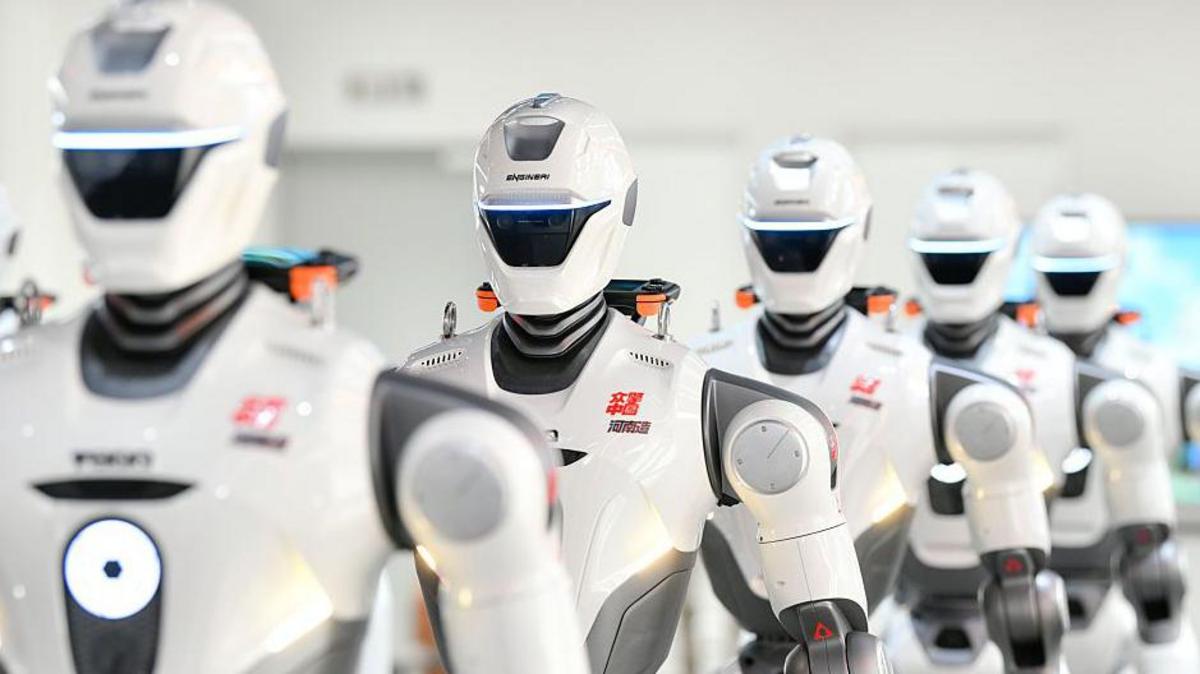
- FTC issued a sweeping ban on foreign imports of advanced robots — humanoids, quadrupeds, and wheeled models — citing national security risks from data collection and the need to shield US companies from Chinese competition.
- Unitree, China's top humanoid robotics company, supplied the robots used in 90% of recent US university robotics research papers, according to an internal review by the Association for Advancing Automation, creating what director Aaron Prather called a challenge for US humanoid researchers.
- A four-legged Unitree robot costs around $4,600, while a comparable Boston Dynamics unit can run $278,000, a gap that could undercut the FTC's goal of boosting US robotics if research slows without affordable hardware.
- Ghost Robotics CEO Gavin Kenneally backed the ruling, noting real cybersecurity risks; the FTC's own filing cited an incident in which a man took control of 7,000 robot vacuum cleaners.
- Unitree plans to go public this week targeting a nearly $6 billion valuation, while leading US rivals like Figure and 1X have yet to sell at scale or ship to homes.
- The ban fits a broader Trump-administration push on AI protectionism, which includes a reported plan to ban open-source Chinese models that rival OpenAI and Anthropic offerings and deliver an estimated $25 billion in annual savings.
- Google released a new AI model last week aimed at helping humanoids learn tasks faster, underscoring how quickly the robotics mainstream is moving even as protectionist rules take shape.
- China is described as the dominant force in robotics price-to-capability, making the FTC ban a high-stakes bet on whether US policy can nurture a sector it barely competes in today.
Why it matters: US robotics researchers buy 90% of their study robots from Unitree, and the cheapest quadruped from China ($4,600) costs roughly 1/60th of a comparable Boston Dynamics machine ($278,000) — so a ban pitched at protecting US robotics could realistically slow the very research pipeline it claims to nurture.


%20China-Free%20Robot.jpg)