China's Middle Class Hoards Cash Despite Falling Rates — SkimNews

Get the Finance newsletter
Daily finance — markets, central banks, M&A, the prints that move money. Free.
- Chinese households held deposits equivalent to roughly 118% of GDP by 2025, with savings continuing to climb even as policymakers cut interest rates to coax spending back into the economy
- A Reuters-cited poll found more than 80% of respondents preferred saving over spending, underscoring how deeply caution has taken hold among middle-class consumers
- The property crisis has become a major drag on household balance sheets, reversing the wealth effect that made real estate China's primary wealth engine for decades
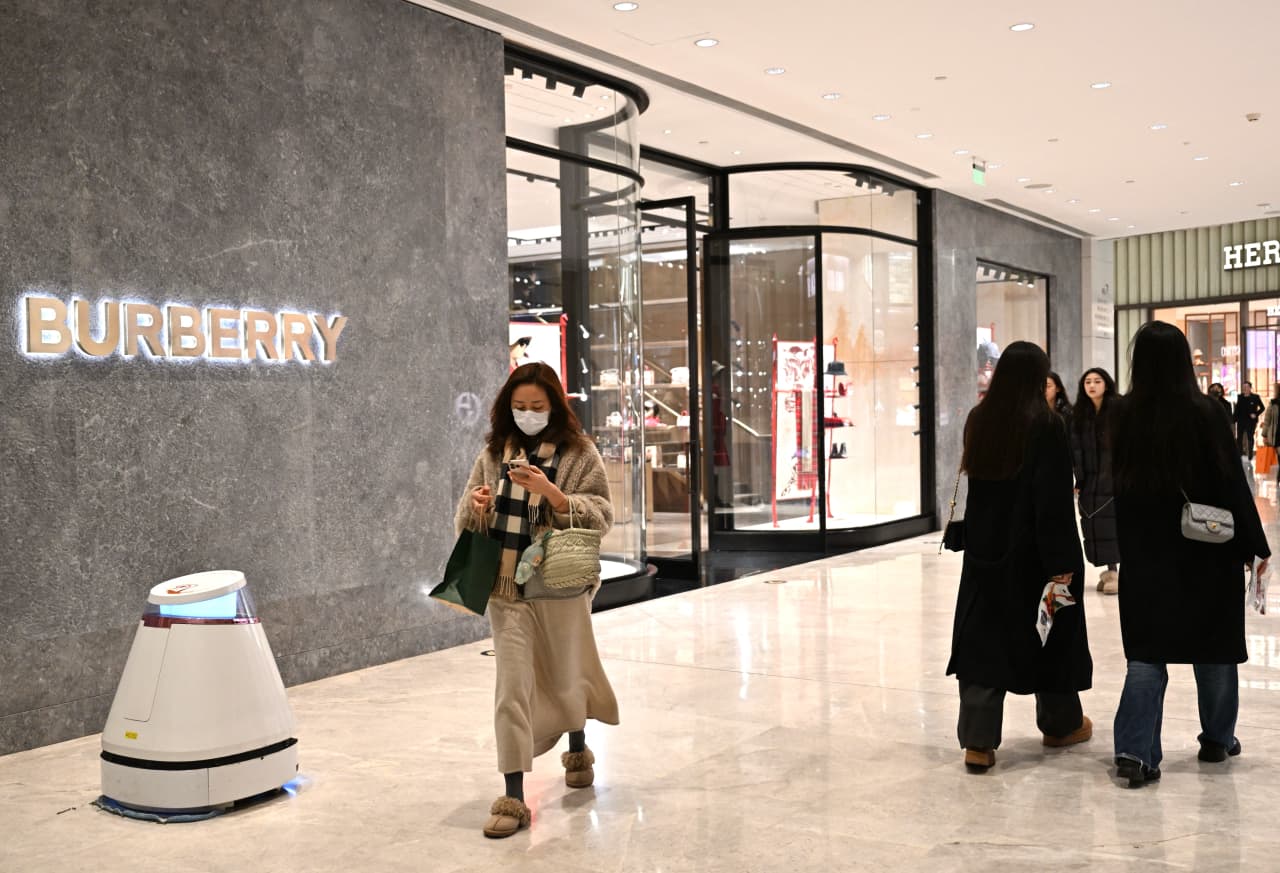
- Global brands including LVMH, Kering, Starbucks, and Apple have reported softer or more volatile China sales as consumers trade down, favor value over brand, and delay big-ticket purchases
- Robin Xing, chief China economist at Morgan Stanley, characterized the extra saving as precautionary, driven by an uncertain income outlook and partially reversible if conditions improve
- Beijing's stimulus has historically flowed into infrastructure, manufacturing, and strategic industries rather than to households, reinforcing the message that consumers are on their own
- Zhang Wei, a 41-year-old delivery contractor in Chengdu, said he saves first and spends only when necessary, citing uncertainty about income, healthcare, and family emergencies
Why it matters: With deposits at 118% of GDP and over 80% of Chinese consumers preferring saving over spending, Beijing's years-long push to rebalance the economy toward consumption is being undermined by household caution rooted in property losses, job uncertainty, and thin social safety nets — leaving global brands from LVMH to Apple to navigate a structurally weaker Chinese consumer while the feedback loop economists warn of risks deepening.
Ask SkimNews