NASA streams Artemis II on Twitch, draws millions — SkimNews

Get the Health newsletter
Daily health & science — research, biotech, public health, the studies worth knowing. Free.
- Zebulon Scoville was appointed NASA’s “imagery czar” after noting the agency’s lack of a consistent Artemis I livestream and spent two years improving public engagement for future moon missions.
- Optical communications system added to the Orion spacecraft enabled a laser‑based high‑resolution video stream to a ground station, boosting Artemis II’s live‑coverage quality.
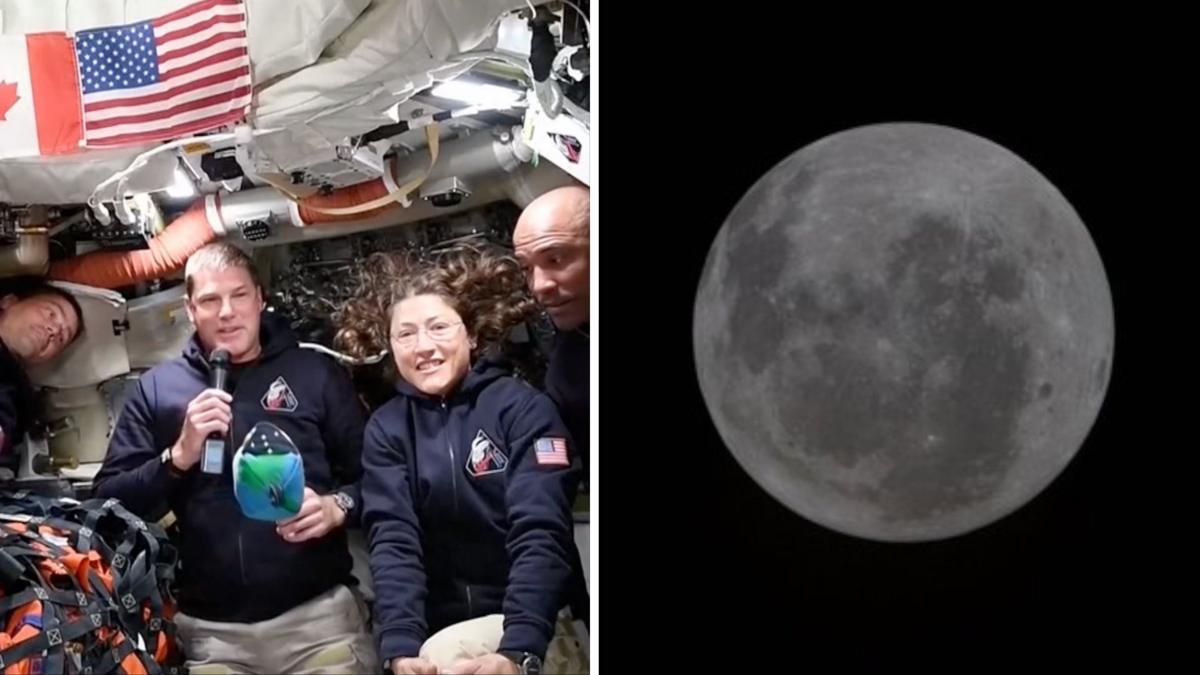
- Artemis II completed a nine‑day crewed lunar flyby and splashdown off California, with NASA streaming the mission on its platform and Twitch, attracting millions of viewers and prompting museums and schools to host related events.
- Alex Roethler, a Wisconsin physics teacher, said the livestream made his students more engaged and helped lessons feel more real, noting that many students already use Twitch.
- Christina Koch and her crewmates gave vivid, near‑literary descriptions of lunar features during the seven‑hour flyby, and the crew showed open emotion, “howling at the moon,” a shift from NASA’s traditionally dry communication style.
- Jack Kiraly, director of government relations at the Planetary Society, warned that nostalgia for Apollo can gloss over past program unpopularity and said Artemis II has not yet matched the hype of earlier moon missions.
- Reid Wiseman said the mission’s view of Earth from space could give the world a pause and foster unity, and that families, despite bias, felt Artemis captivated people worldwide.
Why it matters: NASA secures broader public support and educational engagement, crucial for sustaining funding and political backing for the Artemis program, while schools and museums gain a compelling, real‑time learning resource that can inspire the next generation of scientists, and the astronauts' emotive storytelling humanizes space travel, helping to bridge the gap between a high‑tech mission and everyday audiences.
Ask SkimNews