Top Analysts Rate These 3 Energy Dividend Stocks Buy — SkimNews
Get the Finance newsletter
Daily finance — markets, central banks, M&A, the prints that move money. Free.
- Expand Energy announced a $1.25 billion acquisition of Twin Eagle Holdings to accelerate its marketing and commercial goals; Wolfe Research's Doug Leggate raised his price target to $114 from $110 after Q2 results that included $530 million in share buybacks and a 2.5% dividend yield.
- SM Energy received a reiterated buy and a price-target hike to $34 from $32 from Roth Capital's Leo Mariani, who expects Q2 oil production of 237,650 barrels per day — roughly 1.5% above Street consensus — in the Aug. 5 report; the stock carries a 2.7% dividend yield.
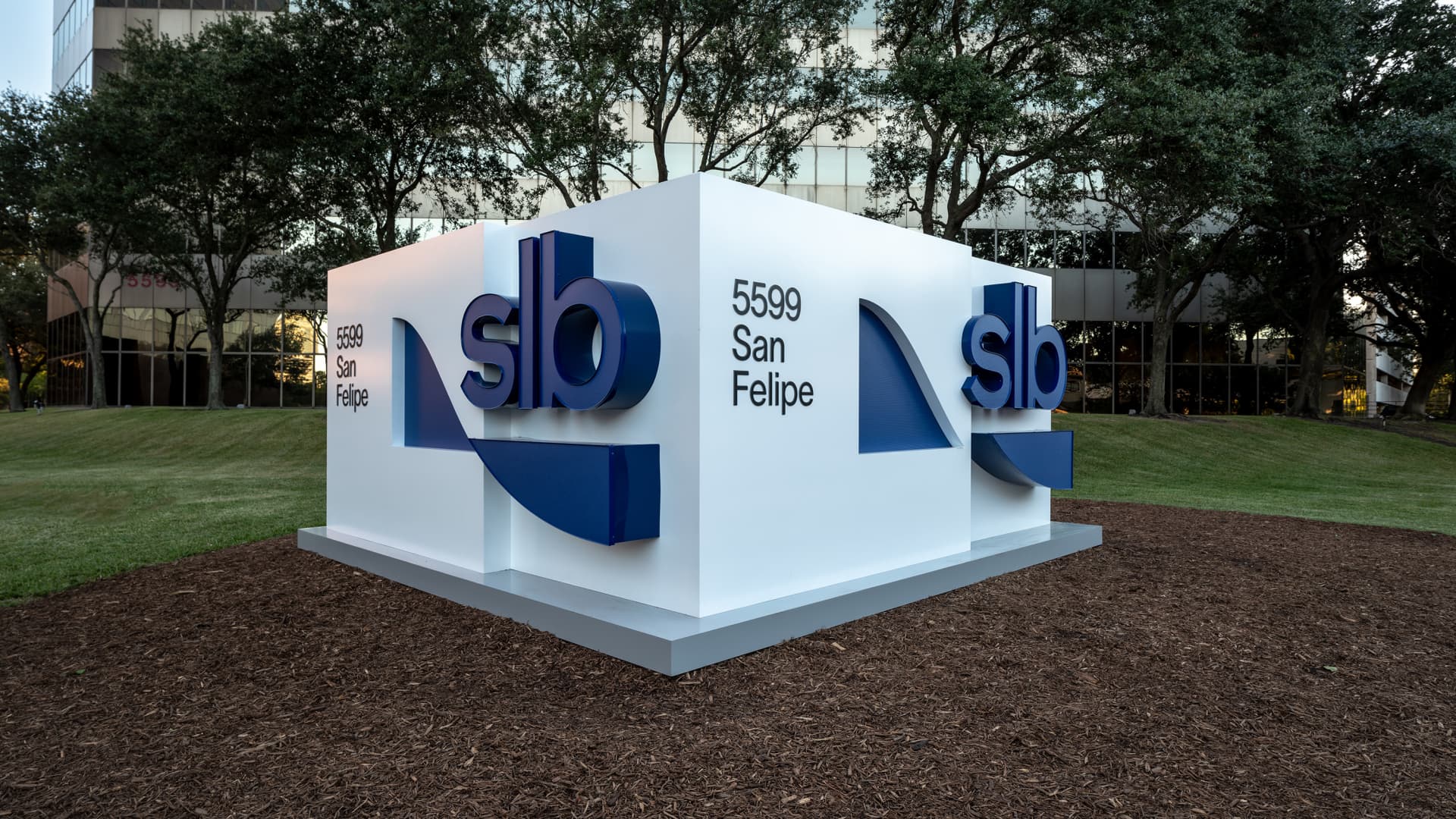
- SLB posted better-than-expected Q2 earnings driven by sequential international growth in Latin America, Europe, Africa, and Asia that offset Middle East disruptions from the U.S.-Iran conflict; Goldman Sachs's Neil Mehta reaffirmed a buy with a $62 price target.
- Mehta projects SLB's international revenue growing about 10% between 2026 and 2027 and flagged the company's data center business, which SLB expects to exceed a $2 billion annual run-rate by the end of 2027.
- Leggate views net debt reduction as Expand Energy's top capital-return option, noting the company repaid $1.3 billion of gross debt in April and ended Q2 2026 with $3.1 billion in net debt; the Twin Eagle deal is expected to lower EXE's breakeven by about 7 cents to roughly $2.80/Mcf.
- SM Energy reported strong oil and gas price realizations in its Q2 preliminary update, though derivatives produced a $220 million cash hedging loss — slightly larger than Roth's $211 million estimate.
- The three picks carry dividend yields between 2.4% and 2.7%, with payouts ranging from 22 cents to nearly 58 cents per share, offering income while broader markets wrestle with geopolitical risk and AI-spending durability concerns.
Why it matters: Each buy thesis rests on a concrete operational catalyst — Twin Eagle acquisition savings for EXE, above-consensus oil production for SM, and 10% projected international revenue growth for SLB — meaning these aren't generic yield plays but names with specific earnings drivers that materially shift each company's near-term trajectory. Income-seeking investors are being steered toward energy producers whose Q2 prints have already validated analyst conviction.
Ask SkimNews